5 Must-Know Tips for Florida Homeowners Insurance
By Fred Rodrigues, Certified Master Inspector with thousands of insurance inspections in Florida
Article Recap
This guide offers five essential tips for Florida homeowners to navigate the complex insurance landscape. It covers key coverage types (dwelling, personal property, liability, loss of use), clarifies flood vs. hurricane insurance, explains how 4-point and wind mitigation inspections reduce costs, emphasizes shopping around, and advises on regular policy reviews. Actionable insights are provided to protect your home and finances, referencing entities like OIR, Citizens, NFIP, and My Safe Florida Home.
What Are the Key Coverage Types in Florida Homeowners Insurance?
Dwelling, personal property, liability, and loss of use are core coverage types defining financial protection in a Florida homeowners policy. Understanding their scope prevents costly gaps. Dwelling covers the structure; personal property covers movable belongings; liability covers legal/medical expenses for third-party injury/damage; loss of use (additional living expenses) pays for temporary housing if your home is uninhabitable due to a covered claim. Key decisions include choosing between replacement cost and actual cash value for personal property and ensuring dwelling limits reflect current rebuild costs. Common Florida-specific exclusions—like flood, sinkhole, and wear-and-tear—often require separate policies or endorsements. The table below summarizes these coverages and provides example limit guidance.
This comparison helps you prioritize limits and endorsements; next we’ll break down dwelling coverage in more detail to show how to set accurate limits.
What Does Dwelling Coverage Include for Florida Homes?
Dwelling coverage insures your home’s physical structure, including walls, roof, and built-in fixtures. Set the limit to match a realistic replacement cost estimate, not market value, considering coastal construction costs and code upgrades. Obtain contractor estimates and confirm inflation guard endorsements to avoid underinsurance.
How Is Personal Property Coverage Handled in Florida Policies?
Personal property coverage reimburses for lost movable items, typically using replacement cost or actual cash value (ACV). Upgrade to replacement cost and schedule high-value items for full recovery. A detailed home inventory (photos, receipts) stored securely speeds claims and supports estimates.
What Liability and Loss of Use Protections Should Florida Homeowners Expect?
Liability coverage protects you if someone is injured on your property or you cause property damage, covering medical payments and legal defense. Loss of use (additional living expenses) pays for temporary housing if your home is uninhabitable. Choose higher liability and realistic ALE limits; umbrella policies are common for significant assets.
Which Common Exclusions Affect Florida Homeowners Insurance?
Standard policies exclude common Florida perils like flood, sinkhole, and earth movement, plus maintenance-related damage. Flood risk requires separate NFIP or private policies. Some policies exclude sinkhole damage unless endorsed. Wear-and-tear or pest damage is almost always excluded. Understand these to secure necessary endorsements or separate policies.
How Do Flood and Hurricane Insurance Impact Florida Homeowners?
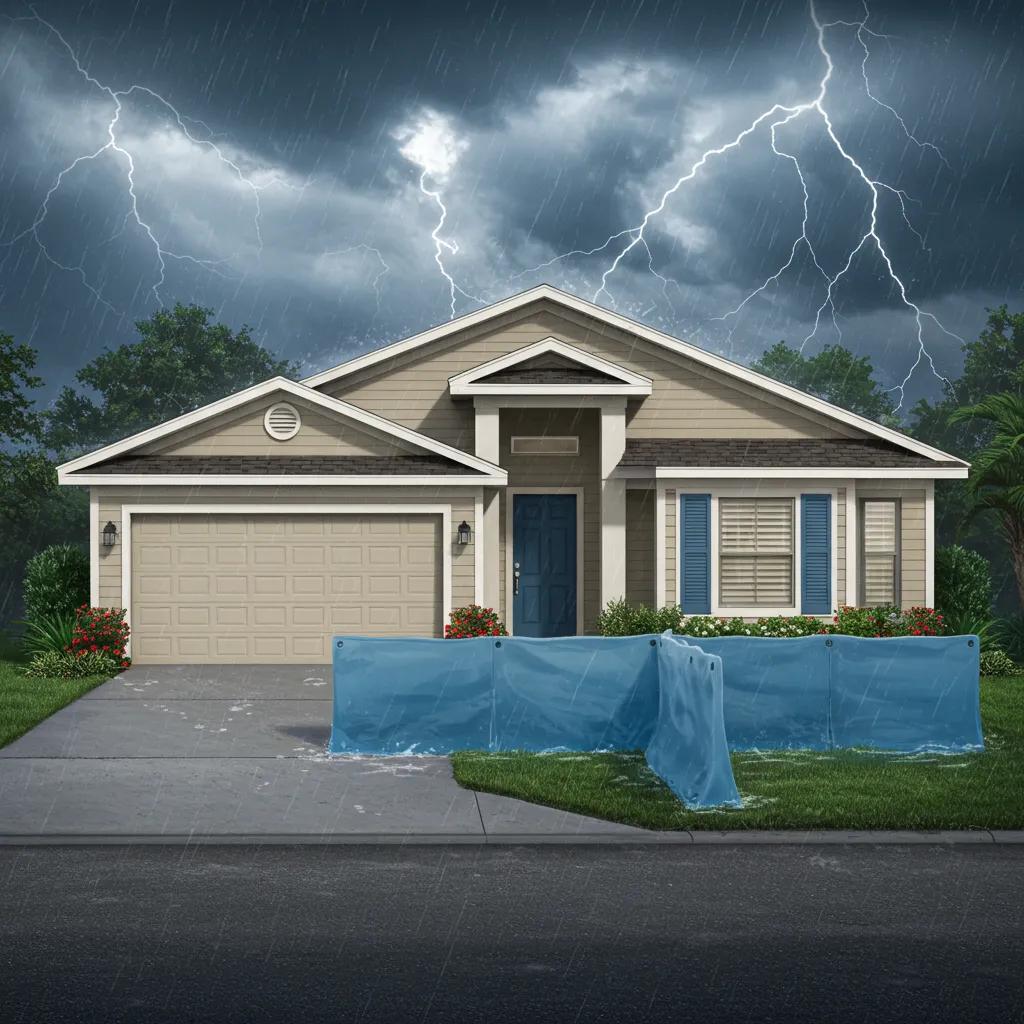
Flood insurance and hurricane provisions significantly impact out-of-pocket exposure for Florida homeowners. Standard policies typically exclude flood, and hurricane deductibles are often percentage-based, increasing financial responsibility after storms. NFIP or private flood coverage addresses water inundation from storm surge, river overflow, or heavy rainfall, each with limits and waiting periods. Hurricane deductibles, a percentage of the dwelling limit, apply only to named-storm losses, leading to large cash obligations on high-limit policies; understanding and planning for them is crucial. FEMA flood maps, elevation certificates, and evacuation zones influence underwriting and premiums, so verify your flood zone and consider mitigation to lower risk and costs. The table below clarifies hurricane deductible types and example calculations.
This comparison highlights why policy wording matters; next we’ll explain flood insurance options and waiting periods to help you choose appropriately.
Why Is Flood Insurance Separate and How Does It Work in Florida?
Flood insurance is separate because homeowner policies exclude flood perils. NFIP offers a baseline policy, while private insurers provide supplemental options. NFIP policies have standardized limits and a typical 30-day waiting period. Check FEMA flood maps and compare NFIP vs. private options before hurricane season.
What Are Hurricane Deductibles and How Do They Affect Your Policy?
Hurricane deductibles are typically percentage-based, applying only to named-storm losses. They increase your exposure as dwelling limits rise. For example, a 2% deductible on a $300,000 dwelling is $6,000. Factor these into affordability planning and understand policy language on when the deductible applies.
How Do Florida’s Flood Zones and Evacuation Areas Influence Coverage Needs?
FEMA flood zone designations (A, V, X) and local evacuation zones directly affect required coverage and premiums. An elevation certificate can demonstrate the property’s vertical position, often reducing NFIP premiums. Mitigation measures like elevating utilities can lower risk and costs. Combine flood insurance with a mitigation plan.
How Can 4-Point and Wind Mitigation Inspections Lower Your Florida Home Insurance Costs?
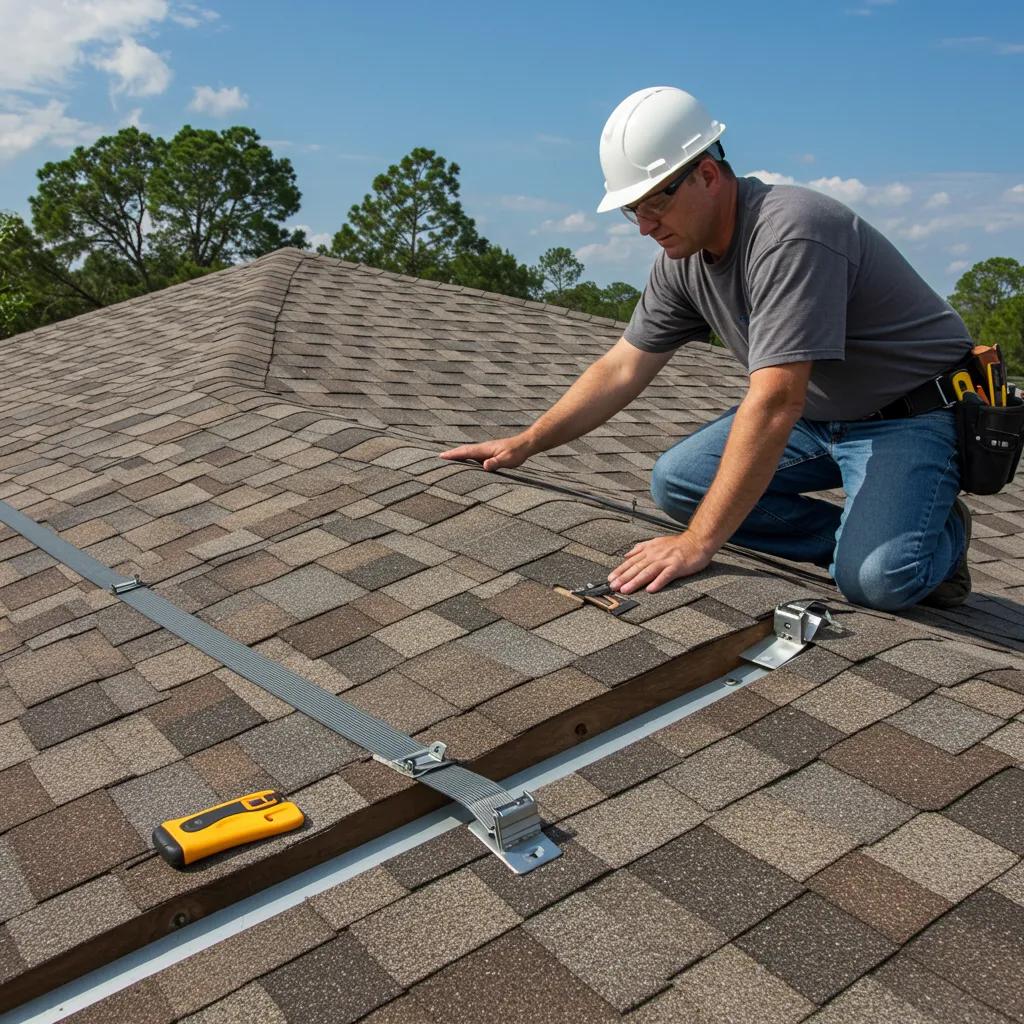
4-point and wind mitigation inspections document a home’s condition and wind-resistance features, providing evidence insurers use to price risk and grant credits. These often yield immediate premium reductions or remove underwriting barriers. A 4-point inspection focuses on roof, electrical, plumbing, and HVAC to confirm basic insurability. A wind mitigation inspection catalogs features resisting storm forces, like roof-to-wall connections, secondary water barriers, and opening protections. Insurers often require a 4-point for older homes and grant wind-mitigation credits for verified features. Scheduling these inspections and submitting certified reports can lead to significant cost savings. The table below summarizes common wind-mitigation features, required documentation, and typical savings.
These documented features both reduce actual wind vulnerability and provide insurers concrete reasons to lower rates; the next subsections explain inspections, timing, and how to act on findings.
What Is a 4-Point Inspection and Why Is It Required in Florida?
A 4-point inspection evaluates the roof, electrical, plumbing, and HVAC systems to confirm basic insurability. Insurers often require these for older homes, as system failures can cause large claims. Licensed inspectors provide reports on conditions and recommended repairs. Addressing issues like aged roofs or wiring restores favorable underwriting.
How Does a Wind Mitigation Inspection Qualify You for Discounts?
Wind mitigation inspections identify construction details reducing wind damage risk, such as roof-to-wall connections and impact-resistant windows. Insurers map these features to credit schedules for premium reductions. A licensed inspector and standardized report are required. Combined improvements yield the highest discounts and improve marketability.
When Should You Schedule These Inspections for Maximum Benefit?
Schedule 4-point and wind mitigation inspections before policy renewal, selling, or after substantial repairs. Timing before peak storm season enhances insurer responsiveness. Reports are typically valid for one to five years; track expiry dates. Potential premium savings often offset fees within one renewal cycle.
Why Should Florida Homeowners Shop Around and Compare Insurance Policies?
Shopping and comparing insurers is crucial in Florida due to wide variations in carrier appetite, deductible structures, underwriting standards, and mitigation credits. Differences in claims service and financial strength are decisive after a major storm. Evaluate carriers on financial strength ratings, complaint ratios, and local claims handling. Independent agents access multiple insurers and help navigate transfers from ‘insurer of last resort’ programs. Direct writers may offer lower prices but less flexibility. Compare quotes ‘apples-to-apples’—confirm coverage limits, deductible types (hurricane vs. standard), replacement cost vs. ACV, and included endorsements—to ensure long-term resilience, not just the lowest premium.
Before you compare quotes, use this checklist to ensure you are making fair apples-to-apples comparisons.
- Match Coverage Limits: Verify dwelling, personal property, liability, and ALE limits are equivalent across quotes.
- Check Deductible Type: Confirm whether hurricane deductibles are percentage-based and compare actual dollar exposure.
- Compare Valuation Methods: Ensure personal property and dwelling valuation (replacement cost vs ACV) are the same to avoid surprises.
After applying the checklist, summarize key differences to spot where a slightly higher premium buys better protection or claims service.
How Do You Evaluate Financial Strength and Claims Service of Insurers?
Financial strength ratings (e.g., AM Best) indicate an insurer’s capacity to pay claims. Review complaint ratios and ask about local adjuster availability after storms. Strong local adjuster networks and timely settlements signal resilience. Use ratings and complaint data together to assess ‘can they pay’ and ‘how they pay.’
What Role Do Independent Agents Play in Finding the Best Florida Homeowners Insurance?
Independent agents shop multiple carriers, crucial in Florida’s dynamic market. They can identify viable carriers for coastal properties and assist with transfers from Citizens. Ask agents about carrier relationships, hurricane claims experience, and mitigation credit familiarity. A well-connected agent offers options not found online.
How Can Bundling Policies Help Lower Your Premiums?
Bundling home and auto policies often yields multi-policy discounts and simplifies claims. Always ensure equivalent coverage when bundling, as some quotes may reduce limits. Compare bundled and unbundled quotes, checking for multi-home or umbrella discounts. Bundling can be cost-effective but shouldn’t replace careful coverage assessment.
How Often Should You Review and Update Your Florida Homeowners Insurance Policy?
An annual policy review, timed before renewal, helps capture new discounts, verify limits against current replacement-cost estimates, and confirm deductibles and endorsements remain appropriate as property values and risk profiles change. Reviews should identify changes like home improvements, added structures, or occupancy changes requiring limit adjustments or new endorsements. An up-to-date home inventory and documentation of repairs/permits expedite claims and support accurate coverage adjustments. Systematic annual reviews reduce underinsurance risk, prevent missing mitigation credits, and ensure policy forms fit your financial plan.
What Home Improvements Require Policy Adjustments?
Significant home improvements—room additions, new roof, pool—alter replacement cost and liability exposure, requiring prompt policy review. Update contractor estimates and permit documentation to justify increased dwelling coverage. Failing to update limits can lead to underinsurance penalties. Discuss improvements with your agent before completion.
Why Is Maintaining a Home Inventory Important for Claims?
A detailed home inventory (photos, receipts, serial numbers) proves ownership and value, speeding claim estimation and helping qualify for replacement-cost settlements. Store it securely off-site or in cloud storage, updating after major purchases. Organized documentation reduces adjuster friction and shortens payout timelines.
How Can Annual Policy Reviews Save You Money and Prevent Coverage Gaps?
Annual reviews uncover missed discounts, ensure limits reflect inflation and home improvements, and allow deductible comparisons. Verify hurricane and flood deductibles are affordable and new mitigation measures submitted for credit. Regular reviews reduce premiums and prevent coverage shortfalls during claims.
What Are the Latest Trends and Legislative Changes Affecting Florida Homeowners Insurance in 2025?
Florida’s legislative reforms since 2022 aim to reduce litigation and stabilize the market, affecting availability and rates through 2024–2025. These changes encourage private carrier return and influence rate adjustments. Citizens Property Insurance Corporation remains the insurer of last resort, with transfer initiatives moving eligible homeowners to the private market. Homeowners should monitor OIR updates and regional premium trends.
How Do You Choose the Best Homeowners Insurance Company in Florida?
Choosing the right insurer balances financial strength, claims handling reputation, policy clarity, mitigation credit responsiveness, and price. A methodical comparison prevents claim surprises and aligns coverage with home risk. Prioritize carriers with solid financial ratings and strong local claims networks. Verify their treatment of hurricane/flood deductibles and ensure they honor mitigation credits. Independent agents are valuable for market options; direct comparison tools help with price. Always request policy samples and written examples of deductible calculations and covered endorsements.
Use this checklist when evaluating carriers so you compare the right attributes beyond price.
- Check financial strength ratings and local claims presence.
- Request sample policy wording and example deductible calculations.
- Confirm mitigation credit schedules and acceptable documentation formats.
After applying this checklist, prioritize carriers that combine strong financial standing with a responsive local claims infrastructure.
What Are the Top-Rated Florida Homeowners Insurance Providers in 2025?
Evaluate providers by objective metrics: high financial strength ratings, low complaint ratios, demonstrable local claims infrastructure, and a track record of honoring mitigation credits. Public rating agencies and state complaint indexes offer comparative data. Prioritize carriers with consistent claims payment performance and transparent deductible practices.
How Do You Compare Quotes and Understand Deductibles Effectively?
Comparing quotes requires aligning coverage limits, valuation methods, and deductible types for direct dollar exposure comparison. Work through example loss scenarios to calculate out-of-pocket costs, including hurricane deductible math. Ask insurers for written examples and run sensitivity checks for deductible changes to build confidence.
What Questions Should You Ask Your Insurance Agent Before Buying?
A focused set of questions helps vet agents and carriers. Ask directly about claims handling, local adjuster availability, deductible triggers, mitigation credits, and policy transfer options. Confirm agent experience with coastal/high-risk properties and verify licensing. Use the provided question list during shopping.
- How does the carrier calculate hurricane deductibles and can you provide an example?
- What mitigation credits are available and what documentation do they require?
- Do you have local adjusters and how are claims handled after major storms?
- Can you provide sample policy wording and explain any important exclusions?
- How can we move a policy from Citizens to a private carrier if eligible?
Conclusion
Understanding Florida homeowners insurance is crucial for safeguarding your property against unique risks. Grasping key coverage types, exclusions, and inspection importance enables informed decisions. Regularly reviewing your policy and shopping for rat
es ensures you stay ahead of market changes and potential savings. Secure your home by connecting with an insurance expert today.