
How to Find Certified Home Inspectors Near Me and Estimate Costs
Article Recap
This comprehensive guide helps you find the best home inspection near you, covering how to choose certified inspectors, understand costs, and interpret reports. Learn essential vetting steps, what a thorough inspection includes, typical pricing for 2025, and post-inspection negotiation strategies. Prioritize safety and long-term maintenance with our checklists and actionable advice.
Written by Fred Rodrigues, Certified Master Inspector with thousands of inspections done in Florida and founder of Damngood Inspection.
A home inspection assesses safety, structural defects, and maintenance needs before a real estate transaction. This guide helps you find a reliable “house inspection near me,” verify credentials, interpret reports, and budget for 2025 pricing. It covers vetting inspectors, comprehensive scope, costs, add-ons, and post-inspection actions.
How Do I Choose the Right Home Inspector Near Me?
Choosing the right inspector involves verifying credentials, confirming insurance, and reviewing sample reports. Prioritize inspectors using modern diagnostic tools. This section details qualifications, reputation verification, and key pre-hire questions for comprehensive service.
What Certifications and Qualifications Should a Home Inspector Have?
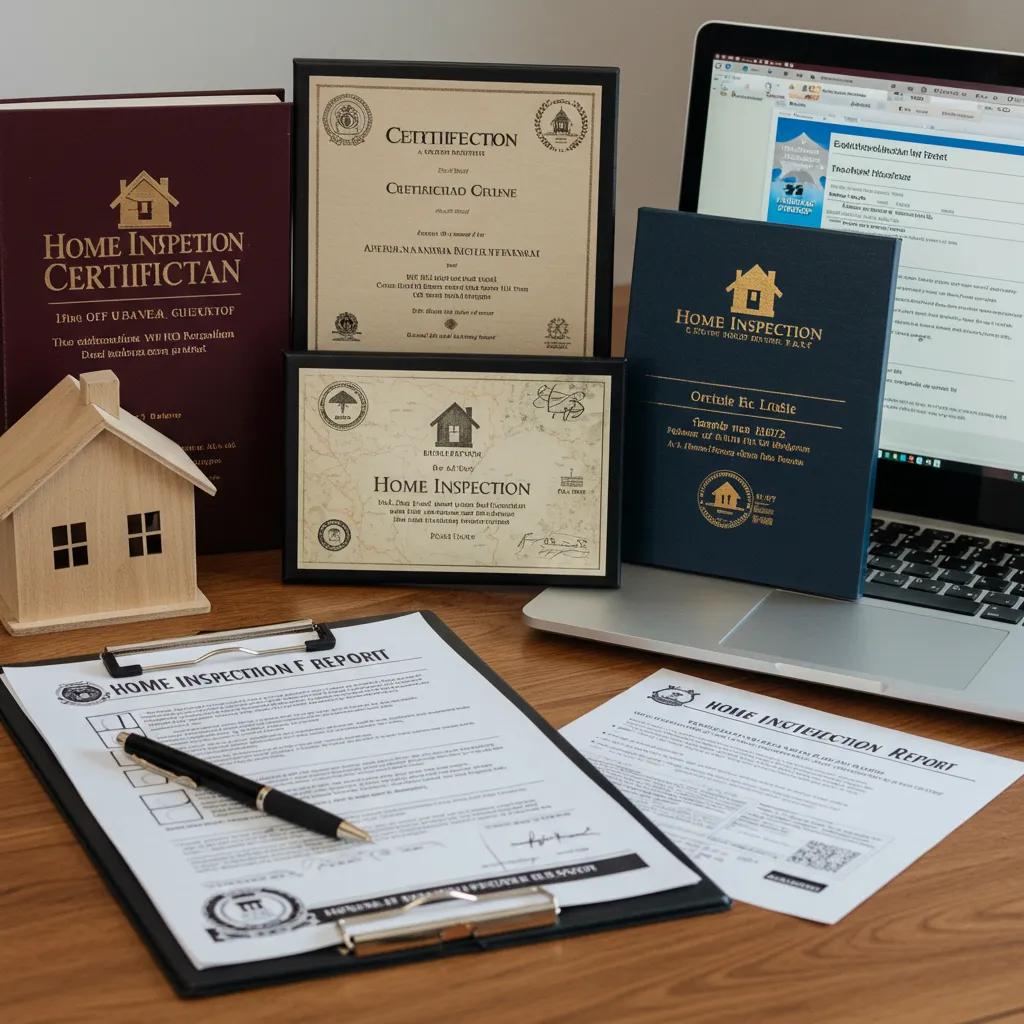
Certifications from InterNACHI and ASHI, plus state/local licenses, confirm an inspector meets industry standards. Essential insurance (E&O, general liability) protects all parties. Always verify credentials, membership IDs, and adherence to published standards for a reliable report.
How Can I Verify an Inspector’s Experience and Reputation?
Experience improves diagnostic accuracy. Request sample reports from similar properties, checking for clear photos and concise findings. Cross-check online reviews and ask for local references. Avoid inspectors refusing sample reports or lacking insurance. Verify experience for competence.
What Questions Should I Ask a Home Inspector Before Hiring?
Ask specific questions to compare inspector proposals, methods, and deliverables:
- What standards of practice and inspection checklist do you follow, and what is excluded?
- Can you provide a sample report for a similar property type and age?
- What certifications, state licenses, and insurance do you carry, and can I see proof?
- What diagnostic tools do you use (thermal imaging, moisture meter, sewer scope), and when are they applied?
- What is your typical turnaround time for delivering the full report?
These questions help prioritize inspectors matching your property’s complexity and timeline.
What Does a Comprehensive Home Inspection Include?
A comprehensive inspection examines visible systems from roof to foundation, documenting defects, safety hazards, and maintenance needs with photos. It covers structural elements, roofing, exterior/interior, plumbing, electrical, HVAC, insulation, and appliances. Specialized services are add-ons. The table below helps interpret findings.
This table clarifies how inspectors prioritize defects, guiding decisions on specialized testing or engineering consultations.
Which Home Systems and Components Are Typically Inspected?
Standard inspections cover accessible structural elements, exterior, roof, attic, insulation, interior, plumbing, HVAC, and electrical systems. Inspectors identify defects like water intrusion, unsafe wiring, or inadequate performance. Each issue includes a description, photo, and recommendation, helping buyers spot red flags.
What Specialized Inspections Might Be Needed?
Specialized inspections (radon, mold, termite, sewer scope, structural engineering) are based on regional risk or initial findings. Radon testing is crucial in high-radon zones; a sewer scope for slow drains. These tests quantify risk and strengthen negotiation.
How Long Does a Home Inspection Usually Take?
A standard home inspection takes 2–4 hours for a 1,500–2,500 sq ft property, increasing with size or added services. Inspectors document findings with photos. Reports are typically delivered within 24–72 hours, aiding scheduling and post-inspection decisions.
How Much Does a Home Inspection Cost in 2025?
In 2025, general home inspection costs range from $300 to $700, influenced by square footage, age, and travel. Price drivers include property size, systems, labor rates, and specialized add-ons. Bundle discounts are often available. The table below compares inspection types and ranges.
This comparison provides a 2025 budgeting baseline. Request itemized quotes and bundle pricing to compare equivalent services.
What Factors Influence Home Inspection Pricing?
Pricing reflects square footage, property age/condition, system accessibility, travel time, and crucially, the inspector’s experience and reputation. Larger, older homes with complex systems or difficult access cost more. Similarly, highly experienced inspectors with a proven track record of thoroughness and accuracy often command higher fees. For example, a seasoned inspector who has performed thousands of inspections and uncovered critical, hidden defects that saved buyers tens of thousands of dollars might charge 15-20% more than a newer inspector. This premium is often justified by their ability to spot subtle issues that less experienced eyes might miss, potentially saving you from significant future expenses. Understanding these factors helps evaluate quotes and justify specialized tests. Ultimately, the best investment a home buyer can make is to hire the best home inspector they can afford.
How Much Do Specialized Inspections Like Radon or Termite Testing Cost?
Specialized test costs vary: radon includes lab fees, termite inspections may bundle with treatment, and sewer scopes require camera equipment and labor. Regional variations impact pricing. Request itemized costs for equipment, lab fees, and travel to assess true value.
Are There Ways to Save on Home Inspection Fees?
Save on inspection fees by bundling add-ons, scheduling off-peak, and requesting itemized quotes. Consider seller-paid pre-listing inspections. Prioritize report quality over lowest price to avoid costly misses. Ask for package discounts.
What Is Included in a Home Inspection Report and How Do I Interpret It?
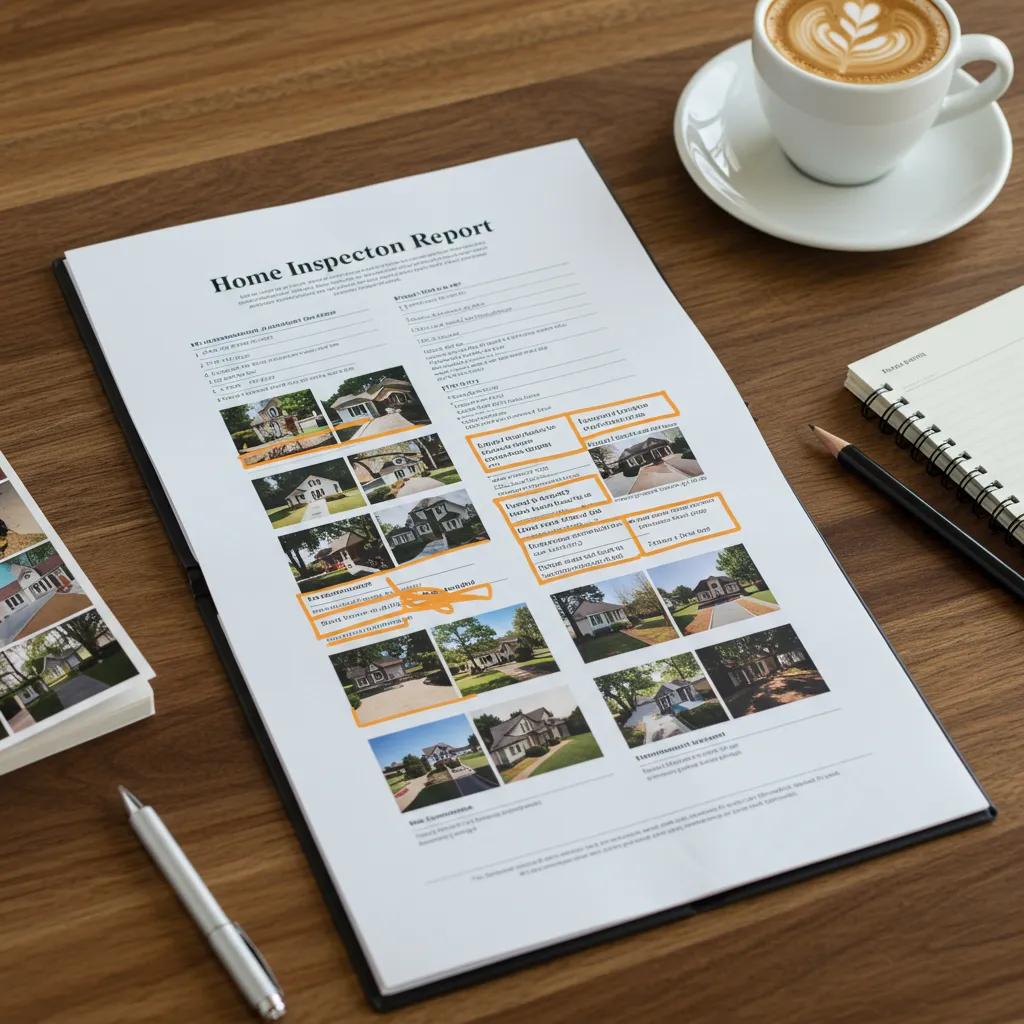
A typical inspection report summarizes major findings with photos, priority ratings, and recommended next steps. Issues are categorized as safety, major, or minor. Reports serve as negotiation evidence, a maintenance roadmap, and a record. The table below links report components to findings.
This mapping shows how to use report sections for post-inspection decisions and negotiations.
What Key Findings Should I Look For in the Report?
Focus on safety issues (electrical, gas leaks), major structural/system failures (foundation, roof), and items impacting habitability (plumbing leaks, heating). Cosmetic issues are lower priority. For major defects, obtain written specialist quotes to strengthen negotiation. Prioritize issues affecting value and safety.
How Are Repair Recommendations Presented?
Recommendations are “repair now,” “consult specialist,” or “monitor.” “Further evaluation by a licensed structural engineer” indicates complexity; “replace GFCI outlet” is straightforward. Use recommendations to prioritize repairs and obtain written estimates to support negotiation.
How Can I Use the Report for Post-Inspection Negotiations?
Use the report for negotiation by prioritizing safety and structural issues. Obtain written estimates for major items and present itemized requests, referencing specific findings. Tactics include pre-closing repairs, seller credits, or price reductions. An evidence-backed approach increases agreement.
How Should I Prepare My Home for an Inspection?
Proper home preparation reduces delays and ensures a thorough inspection. Sellers provide clear access to key areas and gather maintenance records. Buyers benefit from attending, bringing a checklist, and preparing questions. This section covers seller prep, buyer participation, and essential documents.
What Steps Should Sellers Take Before the Inspection?
Sellers ensure clear access to key areas, replace bulbs, unlock utilities, and confirm HVAC operation. Gather maintenance records, warranties, and permits. Disclosing known issues upfront reduces surprises, ensuring an accurate inspection.
How Can Buyers Participate During the Inspection?
Buyers attending gain firsthand understanding, can ask questions, and receive verbal context. Take notes, photos, and clarify severity/timelines for repairs. Participation helps buyers learn maintenance responsibilities and leaves them with clear priorities.
What Documents and Information Should I Have Ready?
Have warranties, service invoices, permits, prior reports, and manuals ready to provide context and speed verification. A list of known issues helps the inspector focus. Organized documentation shortens report turnaround and supports better decision-making.
What Are the Different Types of Home Inspections and When Are They Needed?
Home inspections include general and specialized assessments. General inspections identify broad concerns, but specialized tests (radon, mold, pests, sewer, structural) are needed for specific issues. The table below helps decide when to order specialized inspections and budget.
This comparison helps balance peace-of-mind testing with cost control, guiding targeted testing based on indicators or risks.
What Is a General Home Inspection Versus Specialized Inspections?
A general inspection broadly assesses visible systems for defects. Specialized inspections use targeted testing and expertise to diagnose specific problems, like mold analysis. Understanding these scope differences ensures specialists are commissioned only when evidence or risk warrants deeper investigation.
When Should I Consider Radon, Mold, or Termite Inspections?
Order radon testing in high-radon zones or basements. Consider mold assessments for moisture history, visible mold, or health concerns. Schedule termite inspections for older wood-framed homes or high-activity regions. Risk-based decisions focus budgets on essential tests.
Why Are New Construction Inspections Important?
New construction inspections identify defects like improper grading or faulty installations, preserving builder warranty remedies. Phased inspections (pre-drywall, rough-in, final) allow early correction. Independent inspections provide objective assessment, holding builders accountable and protecting long-term value.
What Are the Next Steps After a Home Inspection?
After the report, prioritize safety/structural items, get written estimates for major repairs, and prepare an evidence-based negotiation request. Categorize findings (safety, major, minor) and attach report pages/estimates. If repairs aren’t negotiated, establish a maintenance schedule. Subsections cover negotiation, maintenance, and inspector contact.
How Do I Negotiate Repairs or Price Adjustments Based on the Report?
Negotiate effectively by focusing on substantiated, high-impact items. Present documented findings with contractor estimates for major repairs, requesting specific outcomes like pre-closing repairs or dollar credits. Use concise, itemized language. Prioritize safety/structural fixes. An evidence-backed approach increases agreement.
What Maintenance Tips Can I Follow to Prevent Future Issues?
Create a seasonal maintenance plan: clear gutters, test HVAC, inspect roof flashing, and monitor for moisture. Keep a maintenance log for service dates and warranties. Regular preventive actions reduce repairs and preserve system lifespans.
How Do I Find Local Certified Inspectors Near Me?
To find local certified inspectors, consult directories and licensing boards. Request sample reports, insurance, and references. When contacting, ask pre-hire questions, verify InterNACHI/ASHI membership, confirm licenses, and request itemized quotes. Use the checklist below.
Contact checklist when requesting local inspector quotes:
- Ask for certifications, state license (if applicable), and proof of E&O and general liability insurance.
- Request a recent sample report for a similar property type and size.
- Ask for itemized pricing including any common add-ons and potential bundle discounts.
- Provide property details (square footage, age, unfinished spaces) and ask for estimated on-site time and report turnaround.
- Request references or local client examples and confirm availability for your target inspection date.
This checklist provides essential questions and documentation for faster, comparable quotes and confident inspector selection.
Frequently Asked Questions
What should I do if the inspection reveals major issues?
If major issues are found, negotiate with the seller for repairs or a price reduction. Obtain written contractor estimates to strengthen your position. If uncooperative, reconsider your offer.
How can I prepare my home for a pre-listing inspection?
For a pre-listing inspection, ensure all areas are accessible and systems operational. Clear attics, crawlspaces, and utilities. Gather maintenance records and permits. Disclosing known issues upfront fosters transparency.
What are the benefits of attending the home inspection?
Attending provides firsthand knowledge of property conditions. Ask questions, understand issue severity, and learn maintenance. This participation leads to informed decisions and effective negotiations.
Are home inspections required by law?
Home inspections are not legally required in most states but are highly recommended for buyers. While some lenders may require them, it’s ultimately the buyer’s discretion. They are a prudent step to avoid unexpected costs.
What is the difference between a home inspection and a home appraisal?
A home inspection assesses property condition and identifies defects; an appraisal determines market value. Inspections focus on physical aspects; appraisals are financial. Both are important but provide different insights.
Conclusion
Finding the best home inspection service near you ensures a thorough assessment of your property, safeguarding your investment and enhancing peace of mind. By understanding the qualifications, costs, and processes involved, you can make informed decisions that prioritize safety and long-term maintenance. Take the next step in your home buying journey by exploring our resources and connecting with certified inspectors in your area. Start your search for a reliable home inspector today to secure your future home.