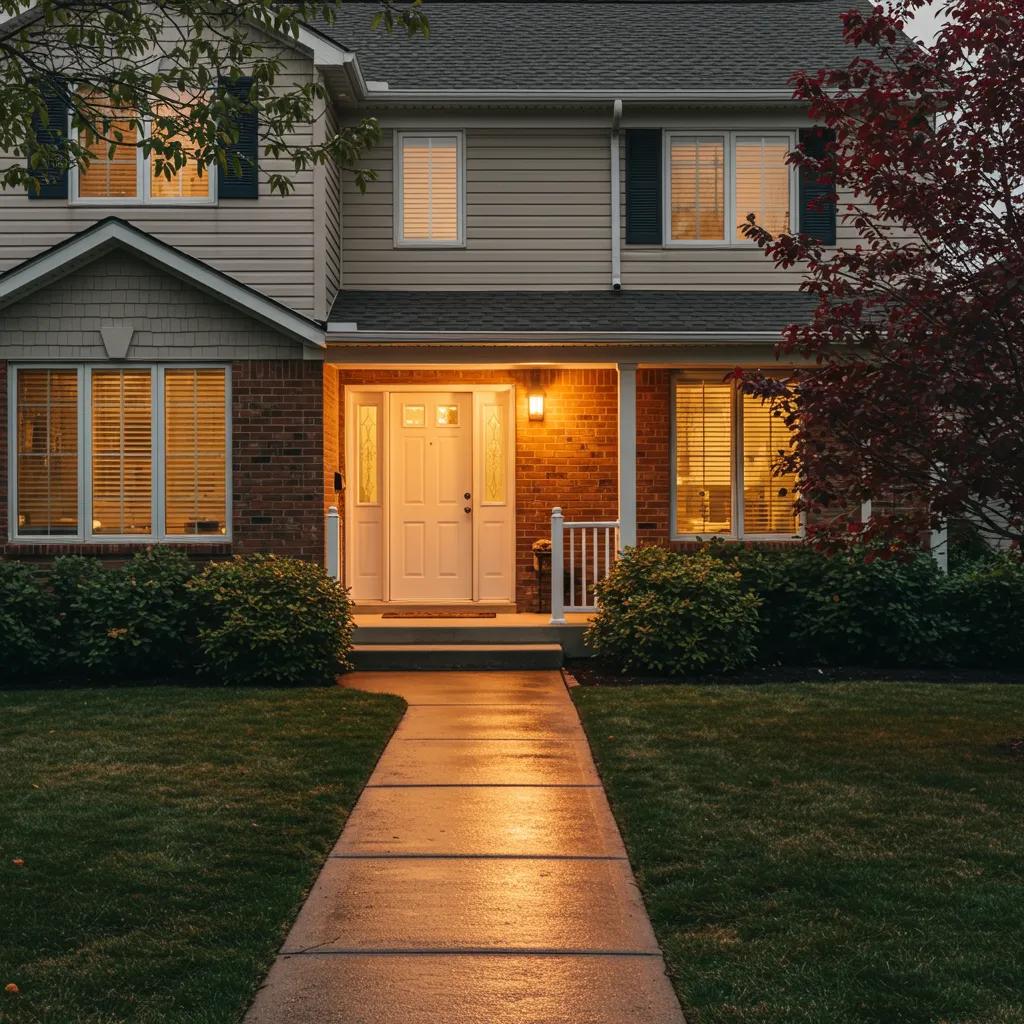
Pre-Listing Inspection Benefits and Prep to Boost Your Home Sale
By Fred Rodrigues, Certified Master Inspector and founder of Damngood Inspection, who has served thousands of families on their journey to homeownership.
Article Recap: Key Takeaways for a Successful Home Sale
A pre-listing inspection is the best investment for homeowners seeking control over their sale. This guide covers:
- Proactive Problem Solving: Identify and address issues before a buyer’s inspection.
- Empowered Negotiations: Repair defects or pre-emptively negotiate/discount items.
- Essential Preparation Steps: Guidance on access, cleanliness, decluttering, exterior maintenance, and system checks (HVAC, plumbing, electrical, roof/gutters).
- Structural & Appliance Readiness: Tips for visible structural concerns, window/door function, and appliance operation.
- Documentation & Logistics: Gather property documents and manage day-of logistics.
- Common Issues & Prevention: Frequent findings (e.g., plumbing leaks, electrical defects) and prevention tips.
- Budgeting for Success: Understand inspection costs and how a pre-listing inspection aids repair budgeting.
These steps, informed by your pre-listing report, lead to a smoother, more profitable transaction.
A pre-listing inspection is the most strategic investment for homeowners to control their home sale. This proactive step identifies and addresses potential issues before a buyer’s inspection, transforming the selling process. Understanding your home’s condition upfront allows informed decisions on repairs, pre-emptive negotiations, and presenting a transparent offer. This guide outlines essential preparation steps, emphasizing how a pre-listing inspection empowers you to avoid surprises, expedite negotiations, prevent unnecessary price reductions, and achieve a smoother, more profitable transaction. It covers access and cleanliness, system checks, structural and appliance readiness, documentation, common issues, and cost expectations, providing practical checklists and tips.
What Are the First Steps to Ensure Clear Access and Cleanliness Before a Home Inspection?
Clear access and basic cleanliness are foundational for a pre-listing inspection, allowing efficient evaluation of mechanical systems and visible structure. Unobstructed pathways, panels, and entrances ensure a complete walkthrough, reducing missed defects and buyer concerns. Prioritize access to the furnace, water heater, electrical panel, attic, and crawlspace.
- Move anything blocking mechanical equipment (boxes, furniture) for easy access.
- Remove clutter from entryways and main pathways for an uninterrupted walkthrough.
- Ensure attic and crawlspace access panels are unblocked and stairs operate safely.
- Pick up exterior debris and place garbage bins away from inspection paths.
- Turn on lights or leave a flashlight for low-light areas.
These steps reduce inspection friction and provide clear visual evidence of routine upkeep.
How Do You Declutter and Organize Key Inspection Areas?

Decluttering key areas like the kitchen, furnace room, attic, and basements is crucial for a thorough pre-listing inspection. Remove items blocking panels, appliances, or access ladders, and group loose belongings into labeled boxes. Complete this 1–3 days before the inspection for final cleaning. For instance, ensure three-foot clearance around the electrical panel and clear items from the water heater. These steps facilitate quick system evaluation and a comprehensive report for minor repairs.
What Exterior Perimeter and Landscaping Tasks Improve Inspection Readiness?
Exterior perimeter work improves access and demonstrates proper drainage and building envelope maintenance, crucial for foundation and roof evaluations. Addressing these *before* your pre-listing inspection ensures an accurate assessment, uncovering issues early. Trim shrubs and trees away from siding and rooflines, clear downspouts, clean gutters, and sweep walkways. (For high roofs, use stable ladders or hire a professional.) These tasks reveal hidden defects, demonstrate preventive care, and help avoid buyer surprises.
How Can You Perform Essential System Checks and Minor Repairs Before Inspection?
Performing essential system checks on HVAC, plumbing, electrical, and roof/gutters *after* a pre-listing inspection allows you to strategically address simple, inexpensive defects commonly flagged in buyer’s reports. Informed by your pre-listing report, these diagnostic checks reveal issues for repair or documentation *before* a buyer sees the property. This proactive approach leads to fewer buyer repair requests, a stronger negotiation position, and a transparent report, helping avoid unnecessary price reductions and expediting the transaction.
- Replace HVAC filters and run the system in both heating and cooling modes (seasonal) to confirm operation and airflow.
- Run all faucets, flush toilets, and inspect under-sink areas for stains, moisture, or loose connections to detect plumbing leaks.
- Test all lights, switches, and GFCI outlets; ensure the electrical panel is accessible and breakers are labeled if possible.
- Inspect gutters and roof edges for missing shingles or obvious signs of water entry; clear gutter debris to show proper drainage.
This checklist provides quick diagnostics. The table below compares systems, what to check, and when to call a professional.
Prioritize DIY efforts on filter changes, clearing gutters, and tightening visible plumbing. Schedule professionals for safety-critical electrical, HVAC refrigerant, or roof structural issues. Proactively addressing these, thanks to your pre-listing inspection, helps control the repair process and avoid surprises.
What HVAC System Maintenance Should Sellers Complete?
HVAC maintenance, guided by a pre-listing inspection, focuses on airflow, cleanliness, and functional heating/cooling cycles. Replace or clean filters, clear external condensers, and verify thermostat communication. Run the system through a full cycle, checking for unusual noises and airflow. If your pre-listing inspection reveals strong burning smells, persistent cycling, or visible leaks, contact an HVAC professional; otherwise, simple filter replacement and cleaning offer measurable benefits.
How Do You Inspect Plumbing and Electrical Systems for Common Issues?
Inspect plumbing for drips, stains, and corrosion at fixtures; run toilets and faucets to ensure proper flush and drainage. These pre-listing inspection-informed checks reveal slow drains and hidden leaks for proactive addressing. For electrical, test light switches, outlets, and GFCIs; verify clear panel access and labeled breakers, noting warm or discolored components. (Safety warning: turn off power before inspecting wiring; call a licensed electrician for panel concerns.) Tighten fittings or consult a tradesperson for moisture or loose connections, reducing common findings and expediting negotiations.
What Structural and Appliance Concerns Should Be Addressed Before Inspection?
Addressing visible structural concerns, ensuring door/window function, and verifying included appliance operation *after* a pre-listing inspection is a powerful strategy to reduce findings. Prioritize safety and habitability items like loose handrails, significant water stains, and non-locking windows/doors, using your pre-listing report. Running appliances and documenting operation prevents intermittent defects. Include manuals or service records to support operational claims.
- Repair or secure loose handrails, stair treads, and guardrails.
- Patch obvious holes, address peeling paint near moisture stains, and prioritize repairs where water damage suggests ongoing leaks.
- Confirm window operation and seals, replace torn screens, and ensure interior doors latch properly.
- Replace burned-out bulbs and ensure adequate lighting in basements and attics.
These prioritized repairs improve perceived maintenance and reduce inspection-critical failures.
How Do You Prepare Windows, Doors, and Interior Surfaces for Inspection?
Preparing windows, doors, and interior surfaces involves functional checks and visible repairs to demonstrate weather-tightness and safety. A pre-listing inspection clarifies what needs attention. Test every window and exterior door for smooth operation, inspect seals, and repair torn screens or broken locks. Address water stains on ceilings and walls, identifying if they are past issues or active leaks with your pre-listing inspector’s help. Cosmetic fixes like caulking and replacing trim present a well-maintained home and help avoid unnecessary price reductions.
What Appliance Testing Is Necessary Before the Home Inspection?
Test each included appliance through a basic operation cycle to confirm function and absence of leaks or excessive noises. This step, *after* your pre-listing inspection, allows proactive issue addressing. Run the dishwasher, oven/range, garbage disposal, and washer/dryer; observe for leaks, unusual sounds, or error codes. Keep user manuals, service receipts, and warranty information for transparency. Note intermittent problems and schedule minor repairs or document conditions transparently to reduce surprises and expedite negotiations.
How Should Homeowners Prepare Documentation and Manage Final Inspection Day Logistics?
Compiling documentation and managing logistics are critical, especially when leveraging a pre-listing inspection. This provides context for prior repairs and access, ensuring an accurate pre-listing report. Documents like repair receipts, permits, warranties, and *your pre-listing inspection report* offer a powerful maintenance timeline and proof of major work, fostering transparency. Day-of logistics—unlocking gates, leaving utilities on, securing pets—prevent delays and allow system testing under normal conditions.
- Repair receipts and permits for major systems (roof, HVAC, electrical, plumbing).
- Appliance manuals, warranty cards, and service records for included units.
- Recent maintenance logs, filter change records, and previous inspection or pest reports.
Gathering these documents signals transparency and can limit buyer demands for concessions.
What Property Documents and Maintenance Records Should Be Gathered?
Collect property documents that validate work and maintenance, helping *both your pre-listing inspector and the buyer* understand repair history. Your pre-listing inspection report is key. Include permits for renovations, receipts for HVAC/water heater/roof work, and appliance warranty documentation. Previous inspection or pest reports provide baseline information. Presenting this comprehensive paperwork, especially with your pre-listing report, reduces uncertainty, fosters transparency, and shortens buyer negotiation periods.
What Are the Last-Minute Tips for a Smooth Inspection Day?
Last-minute preparation removes barriers for *any* inspector. Unlock gates and interior doors, turn on all utilities (heat, AC, water, electrical), and move vehicles for driveway access. Secure pets and label remotes/keys for outbuildings. Provide a single point of contact. Ensure adequate lighting in basements, attics, and closets. These steps create a seamless inspection experience and, combined with a pre-listing inspection, reduce follow-up visits and buyer concerns.
What Are the Most Common Issues Found During Home Inspections and How Can You Prevent Them?
A pre-listing inspection is invaluable for understanding frequent inspection findings, helping homeowners prioritize maintenance and address issues *before* they become costly repair requests. Common issues include electrical defects, plumbing leaks, water intrusion, roofing problems, and HVAC performance. A pre-listing inspection uncovers these early, empowering you to repair, pre-emptively negotiate, or discount items, avoiding surprises. Prevention, guided by your pre-listing report, focuses on scheduled maintenance and prompt minor repairs, reducing critical failures and unnecessary price reductions.
- Plumbing leaks: Check under sinks and around water heaters; replace hoses and tighten fittings.
- Electrical safety defects: Test GFCIs and ensure panels have clear access; hire an electrician for improper wiring.
- Roof and gutter problems: Keep gutters clear and inspect shingles regularly to prevent leaks.
- HVAC failures: Replace filters and schedule seasonal tune-ups.
- Water intrusion and grading issues: Maintain proper drainage away from the foundation and fix downspouts.
These prevention steps reduce risk and exposure to buyer repair demands. The table below shows common issues with typical repair ranges.
Addressing small defects early, identified through a pre-listing inspection, is cheaper than reacting to buyer repair requests. A pre-listing inspection, with routine maintenance and documentation, is the best way to control, prevent failures, and protect sale value.
Which Defects in Roofing, Plumbing, and Electrical Systems Are Most Frequent?
Frequent roof defects include missing shingles, failing flashing, or clogged gutters, leading to water intrusion. Plumbing defects often involve slow drains, under-sink leaks, and water heater corrosion. Electrical problems typically flagged are non-functioning GFCIs, double-tapped breakers, ungrounded outlets, and inaccessible panels. Recognizing these common defects through a pre-listing inspection enables targeted checks and repairs *before* a buyer’s inspection, reducing buyer anxiety and expediting negotiations.
How Does Proper Maintenance Reduce Repair Costs and Inspection Failures?
Proper maintenance, informed by a pre-listing inspection, reduces repair costs by catching small defects early. Documented maintenance, including your pre-listing report and subsequent repairs, lowers perceived risk for buyers and fosters transparency. Regular filter changes, gutter clearing, and minor plumbing fixes prevent expensive downstream repairs. Maintaining records creates a clear narrative of responsible ownership, and combined with a pre-listing inspection, often shortens negotiation timelines.
How Much Does a Home Inspection Cost and What Should Sellers Expect Financially?
Understanding inspection costs and budgeting for potential repair requests is crucial. A pre-listing inspection is the ultimate tool for sellers, helping plan time and money for proactive decisions. Standard home inspection costs vary by house size and region, while specialized inspections (radon, termite, sewer scope) add costs. A pre-listing inspection offers the best cost-benefit, allowing you to take control, avoid surprises, and prevent unnecessary price reductions. Below is a breakdown of typical inspection types and price ranges.
What Is the Average Cost Range for Standard and Specialized Inspections?
Standard home inspections vary by square footage, age, and scope. Specialized inspections (radon, termite, sewer, chimney, or pool) carry additional fees, often due to regional risks or buyer concerns. Sellers should *strongly consider* a pre-listing inspection, arguably the best cost-benefit investment. Identifying and addressing defects early, or transparently disclosing them, mitigates buyer negotiation leverage, avoids surprises, and speeds sale closure.
How Can Sellers Budget for Repairs and Inspection-Related Expenses?
A practical budgeting framework starts with the **pre-listing inspection fee**. This investment allows accurate budgeting for minor repairs and a buffer for unexpected items. Many sellers allocate a 1–3% contingency of the expected sale price or a fixed sum based on repair costs. A pre-listing inspection is the *best way to take control* of your home sale. Proactively addressing issues often reduces buyer concessions, avoids unnecessary price reductions, and expedites negotiations. Prioritize low-cost, high-impact fixes identified in your pre-listing report. This budgeting approach provides a clear path: pre-listing inspection cost + targeted repairs + contingency equals a predictable financial plan for a smoother, more profitable sales process.
Frequently Asked Questions
What should I do if my home inspection reveals significant issues?
Address significant issues promptly. Negotiate with the buyer for a lower price or repair cost coverage, or make necessary repairs yourself. Obtain quotes from licensed professionals for major repairs to aid negotiations and demonstrate commitment.
How can I ensure my home is energy efficient before an inspection?
Conduct an energy audit to identify improvement areas like sealing drafts, upgrading insulation, or replacing old windows. Ensure HVAC is maintained and filters are clean. Documenting improvements builds buyer confidence and can increase market value.
What are the benefits of a pre-listing inspection for sellers?
A pre-listing inspection is arguably the best investment for sellers to control their home sale, offering numerous advantages:
- Proactive Problem Solving: Identify and address issues *before* listing, preventing costly surprises.
- Empowered Negotiations: Repair defects or pre-emptively negotiate/discount items.
- Transparency & Trust: Providing a pre-listing report builds buyer confidence.
- Expedited Process: Addressing issues upfront speeds negotiations.
- Avoid Unnecessary Price Reductions: Price accurately and avoid last-minute demands.
- Smoother Transaction: Makes the sale predictable and less stressful.
This proactive approach ensures you are in the driver’s seat.
How can I prepare my home for an appraisal in addition to an inspection?
Preparation for an appraisal focuses on value. Complete repairs, ensure cleanliness, and highlight upgrades. Provide documentation of improvements. Enhance curb appeal, as first impressions impact appraisal outcomes.
What should I do if I can’t afford repairs before the inspection?
Discuss with your real estate agent how to present the home as-is. Explore financing repairs or offering a home warranty. Transparency about the condition and a list of minor, easily addressable repairs can mitigate buyer concerns.
Are there specific seasonal considerations for home inspections?
Yes, seasonal weather impacts inspections. Winter snow/ice can obscure roof issues; summer reveals AC problems. Schedule inspections when systems are fully operational. Ensure exterior areas are accessible and safe.
What role does staging play in the home inspection process?
Staging creates a positive first impression, influencing buyer perception and confidence. A clean, organized, clutter-free home helps the inspector focus on systems and structure.
Conclusion
To master your home sale and maximize market value, a pre-listing inspection is the most strategic step. It empowers you to control the process by identifying defects proactively, negotiating effectively, and fostering transparency. Following this guide, informed by your pre-listing report, minimizes repair requests, avoids surprises, prevents unnecessary price reductions, and expedites negotiations for a smoother, more profitable transaction. This investment is arguably the best cost-benefit you can make. Take proactive measures today to ensure your home is inspection-ready and positioned for a successful sale.