Save on Insurance: Wind Mitigation Benefits
This article was written by Fred Rodrigues, Certified Master Inspector with thousands of Wind Mitigation inspections done in South Florida and Central Florida.
Article Recap: Unlock Your Insurance Savings
This guide provides Florida homeowners with a comprehensive overview of wind mitigation benefits, detailing how specific property features and upgrades can significantly reduce insurance premiums. You’ll learn:
- What wind mitigation insurance discounts are and how they work in Florida.
- Key home features that qualify for these valuable discounts.
- The crucial role of a certified wind mitigation inspection in documenting features and unlocking savings.
- Realistic estimates of how much homeowners can save annually.
- Information on Florida-specific grants and programs, like My Safe Florida Home, that can subsidize mitigation work.
- The cost-benefit analysis of inspections and how often they should be conducted.
Equip yourself with the knowledge to reduce your storm-related premiums, enhance your home’s safety, and strengthen your real estate position. Wind mitigation financial incentives reward specific property features and upgrades that reduce wind and water damage risk, with savings applied through inspection-verified discounts and credits. This guide offers clear, state-specific explanations and actionable steps to capture available incentives, helping homeowners understand how insurers calculate discounts, identify common qualifying features, and leverage state programs.
What Are Wind Mitigation Insurance Discounts and How Do They Work in Florida?
Wind mitigation insurance discounts are insurer-offered premium reductions that reward structural features and built-in protections which lower the probability of wind- and water-related loss. Insurers evaluate documented features—such as roof-to-wall connections, opening protection, and secondary water resistance—and apply percentage-based credits to portions of a homeowner’s wind or hurricane coverage. This mechanism typically requires a certified wind mitigation inspection that documents qualifying features and provides a standardized report insurers accept for underwriting and premium calculation. Florida’s insurance market routinely factors construction year, code compliance, and verified mitigation features into discount calculations, making the inspection report the critical bridge between improvements and realized savings.
Which Home Features Qualify for Wind Mitigation Insurance Discounts?
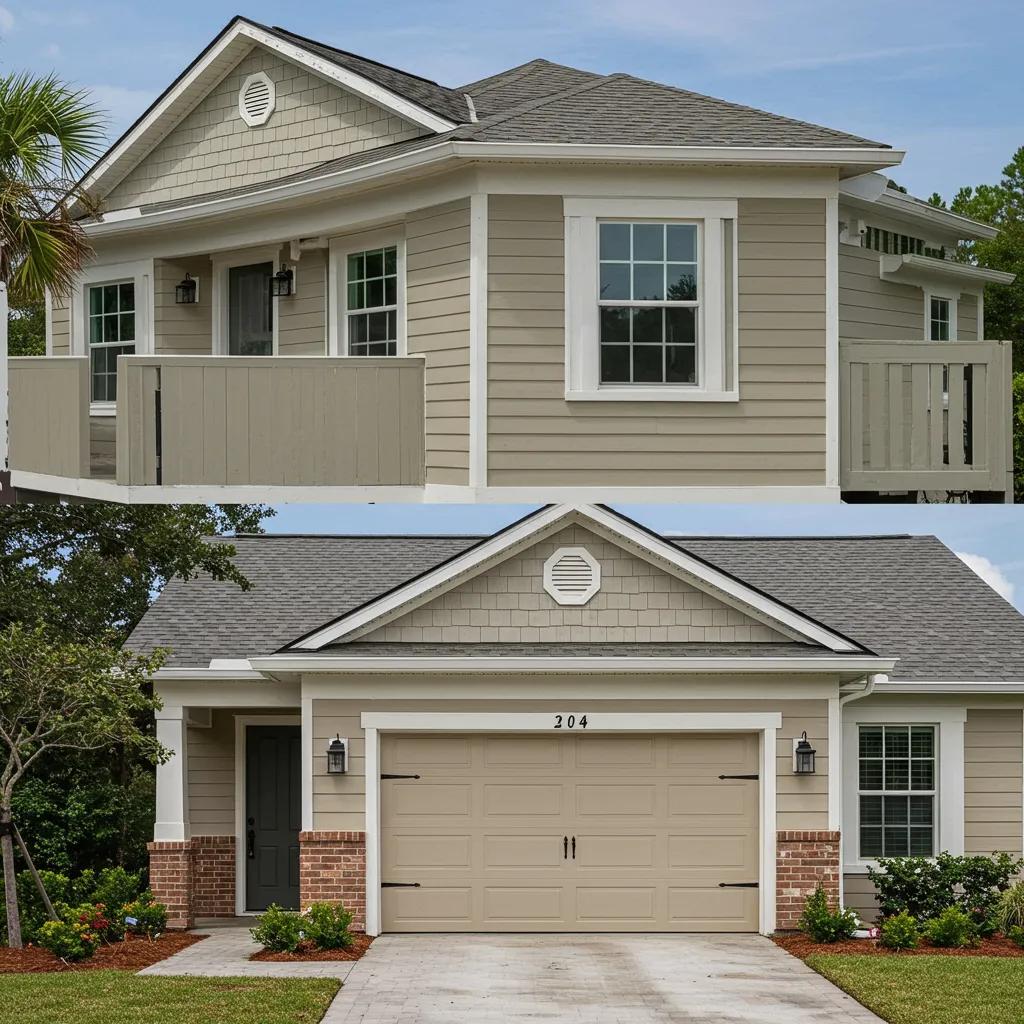
Common qualifying features directly reduce vulnerability to wind and water intrusion and therefore attract insurer credits. Roof deck attachment methods (nails vs. staples), roof-to-wall connections (hurricane clips or straps), and continuous load path elements increase structural resilience. Opening protection—impact-resistant windows, reinforced garage doors, and secondary water resistance such as sealed roof sheathing—reduces interior damage from wind-driven rain. A concise list clarifies these core categories and why they matter:
- Roof deck attachment improves uplift resistance and reduces roof failure risk.
- Roof-to-wall connections transfer loads and prevent wall separation.
- Opening protection prevents pressurization and breach through doors and windows.
- Secondary water resistance limits interior water damage when roofing fails.
These features align with insurer discount categories because each lowers expected claims frequency or severity. Documenting them through inspection evidence is the next essential step.
How Does a Wind Mitigation Inspection Unlock These Insurance Savings?
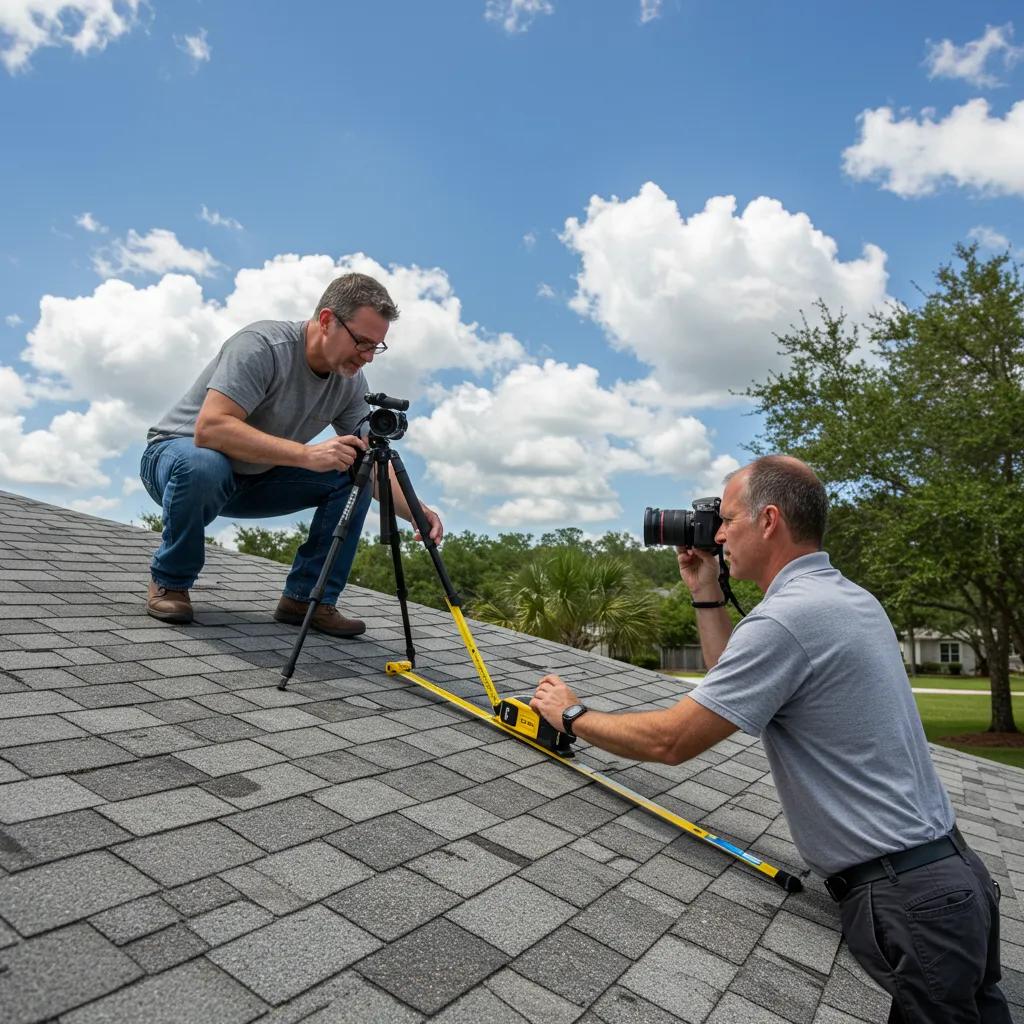
A wind mitigation inspection is a focused, standardized evaluation that documents qualifying features using measurements, photographs, and a report format insurers recognize. Inspectors verify roof covering type, roof deck attachment, roof-to-wall connections, opening protection, and presence of secondary water resistance, producing a clear record that underwriters use to apply discounts. Homeowners submit the certified report to insurers, who apply credits based on their rating schedules; accurate documentation often unlocks immediate premium reductions once processed.
For homeowners seeking an inspection that emphasizes thorough documentation and modern technology, Damngood Inspection offers wind mitigation inspections in Florida that use certified methodologies and advanced imaging to capture qualifying features and produce insurer-ready reports. Their approach focuses on delivering peace of mind through detailed evidence, negotiation power with documented findings, and clear paths to potential insurance savings.
How Much Can Florida Homeowners Save with Wind Mitigation Credits?
Florida homeowners typically see a range of premium reductions from individual mitigation features, and cumulative upgrades often yield larger combined discounts. The exact reduction depends on insurer rating rules, the home’s baseline premium, deductible structure, and code-era credits. Below is a compact comparison of common discount categories and typical ranges:
This table highlights how multiple features stack: a home with improved roof connections, opening protection, and secondary water resistance often qualifies for combined credits that significantly lower wind-related premium components. Insurer policies and geographic risk zones also influence the final applied discount.
What Factors Influence the Amount of Insurance Premium Reduction?
Several variables influence the size of a wind mitigation credit. Insurers consider the home’s construction year and building code compliance, as newer, code-built homes may already include features that earn automatic credits. The number and type of qualifying features matter, as combined features produce additive or multiplicative discount effects. Deductible levels and whether discounts apply to wind-only versus all-peril components also change net savings. Geographic factors—coastal vs. inland exposure—and prior claims history play roles too. Incremental upgrades that address the largest single risk drivers—like opening protection and roof-to-wall continuity—tend to produce the quickest premium reductions.
Can You See Real Examples of Wind Mitigation Savings in Florida?
Illustrative scenarios make savings expectations concrete. Consider a typical single-family home with a baseline annual wind premium of $2,000: adding impact-resistant windows (10% discount) and upgrading roof-to-wall connections (8% discount) could reduce the wind component by roughly 18% or about $360 annually. A higher-risk coastal home with multiple documented features might see combined reductions in the 20%–30% range, translating to several hundred dollars saved each year. These examples assume deductibles and non-wind premium components remain unchanged; actual results vary by insurer.
For practical credibility, Damngood Inspection’s wind mitigation reports have helped Florida homeowners and real estate clients document qualifying features that lead to measurable premium adjustments in these typical ranges. Their focus on certified inspection outputs supports both insurance claims and transaction negotiations.
What Are the Costs and Benefits of Wind Mitigation Inspections?
A wind mitigation inspection is an investment that documents features insurers reward and can improve negotiation leverage in real estate transactions. Typical inspection costs vary regionally and by scope, but the primary value derives from documented insurance savings, increased buyer confidence, and clearer disclosure during sales. The cost-benefit calculation compares a one-time inspection fee against first-year premium reductions and longer-term savings. Inspectors also provide a prioritized list of upgrades, helping homeowners focus limited budgets on improvements with the strongest insurance and safety payoff.
This table illustrates approximate ranges and shows how documentation and imaging add value by clarifying qualifying features.
Is a Wind Mitigation Inspection Worth the Investment?
Often yes, particularly for homes with older construction, higher baseline premiums, or impending sale. A basic inspection cost can be recouped within the first year if documented features unlock sufficient insurer credits. Beyond immediate premium reductions, inspections strengthen negotiating positions in real estate transactions by demonstrating reduced risk to buyers and lenders. Prioritizing inspections where expected savings exceed the fee or where mitigation upgrades are planned yields the best ROI.
For homeowners evaluating inspections, Damngood Inspection emphasizes ROI-focused reporting and uses advanced tools—like infrared and drone imaging—to capture qualifying conditions thoroughly, helping clients document improvements that insurers recognize and value.
How Often Should Wind Mitigation Inspections Be Conducted to Maintain Discounts?
Insurer acceptance periods for inspection-based discounts vary, but re-evaluation is advisable after significant upgrades or repairs and when policy renewals prompt reassessment. Some policies accept older reports for several years, while others require fresh documentation when features are altered or when seeking to apply new credits. Practical triggers for re-inspection include completion of mitigation work, roof replacement, or purchase/sale of the property. Keeping a current, accessible inspection record and update receipts reduces friction when requesting discounts at renewal.
How Florida Wind Mitigation Insurance Discounts Work
Yes. Florida operates programs aimed at reducing homeowner vulnerability through inspections, retrofits, and partial funding for qualifying upgrades, helping lower out-of-pocket costs and accelerate insurance savings. These programs typically fund prioritized mitigation measures—such as opening protection or roof improvements—or offer inspection subsidies that help homeowners identify cost-effective upgrades. Below is a concise program overview and how to approach applications.
These program summaries show that many homeowners can reduce their upfront costs by combining grant support with targeted upgrades that also qualify for insurer credits. Proper documentation and certified inspection reports are typically required.
What Is the My Safe Florida Home Program and How Does It Help?
The My Safe Florida Home program provides assessments and potential financial assistance for cost-effective wind mitigation improvements, prioritizing measures with strong insurance and safety benefits. Typical eligible improvements include opening protection, roof repairs or reinforcement, and anchoring systems that address structural continuity. The program reduces homeowners’ out-of-pocket cost for mitigation and produces documentation that insurers can use to consider premium credits. Participation often begins with a qualifying inspection and assessment, after which homeowners receive recommendations and guidance on eligible work.
How Can Homeowners Apply for Wind Mitigation Grants and Incentives?
Applying for Florida mitigation programs usually follows a clear sequence: obtain a certified wind mitigation inspection, compile contractor estimates and receipts, and submit an application to the program administrator with required documentation. Steps include scheduling an inspection, reviewing the assessor’s recommendations, selecting qualified installers for approved measures, and retaining invoices and inspection reports for reimbursement or credit.
For assistance in creating insurer-ready documentation and preparing applications for mitigation programs, Damngood Inspection’s certified reports and advanced imaging help homeowners compile the evidence and documentation that program administrators and insurers commonly require.
For a practical next step, consider scheduling a wind mitigation inspection to document qualifying features, verify potential insurance credits, and produce the certified report insurers and Florida mitigation programs accept. Damngood Inspection provides focused wind mitigation inspections across Florida to help homeowners capture insurance savings and strengthen real estate positions through clear, advanced documentation.
Frequently Asked Questions
1. What is the process for obtaining a wind mitigation inspection?
Homeowners should select a certified inspector, schedule an appointment, and ensure attic access. The inspector evaluates features like roof connections and opening protections. Post-inspection, a detailed report is provided for submission to insurance providers to secure potential discounts.
2. How can homeowners maximize their wind mitigation savings?
Maximize savings by implementing multiple qualifying upgrades simultaneously, such as impact-resistant windows and reinforced roof connections. Maintain thorough documentation and ensure regular inspections. A knowledgeable inspector can provide tailored recommendations for optimizing discounts.
3. Are there specific timelines for applying for wind mitigation grants?
Yes, apply for grants as soon as qualifying upgrades are completed or an inspection is received. Many programs have application deadlines tied to funding cycles, and some require documentation within a specific period after work completion.
4. What documentation is needed for wind mitigation grant applications?
Typically, a certified wind mitigation inspection report, contractor estimates or invoices for completed work, and any additional documentation demonstrating program compliance are required. Keep all records organized for a streamlined application process.
5. How do wind mitigation features impact home resale value?
Wind mitigation features significantly enhance resale value by demonstrating reduced risk to buyers, often leading to lower insurance premiums. A certified inspection report serves as a valuable marketing tool, showcasing resilience and potentially leading to quicker sales and higher offers.
6. What are the common misconceptions about wind mitigation inspections?
A common misconception is that inspections are only for older homes; all homes can benefit, especially after renovations. Another is that the process is overly complicated or costly; potential insurance savings often outweigh inspection fees. Understanding the true value helps homeowners make informed decisions.
7. Can homeowners receive discounts for features not initially included in the inspection?
Yes, if homeowners make further upgrades after an initial inspection, they can request a re-inspection to document new features. Insurers often allow updated reports, which can lead to additional premium reductions. Track all improvements and consult your provider.
Conclusion
Implementing wind mitigation features can lead to significant insurance savings for Florida homeowners, enhancing both property value and safety. By understanding the qualifying upgrades and the inspection process, homeowners can effectively reduce their premiums and improve their negotiating power in real estate transactions. Taking the first step by scheduling a wind mitigation inspection can unlock these benefits and provide peace of mind. Explore your options today to maximize your savings and protect your home from storm-related risks.