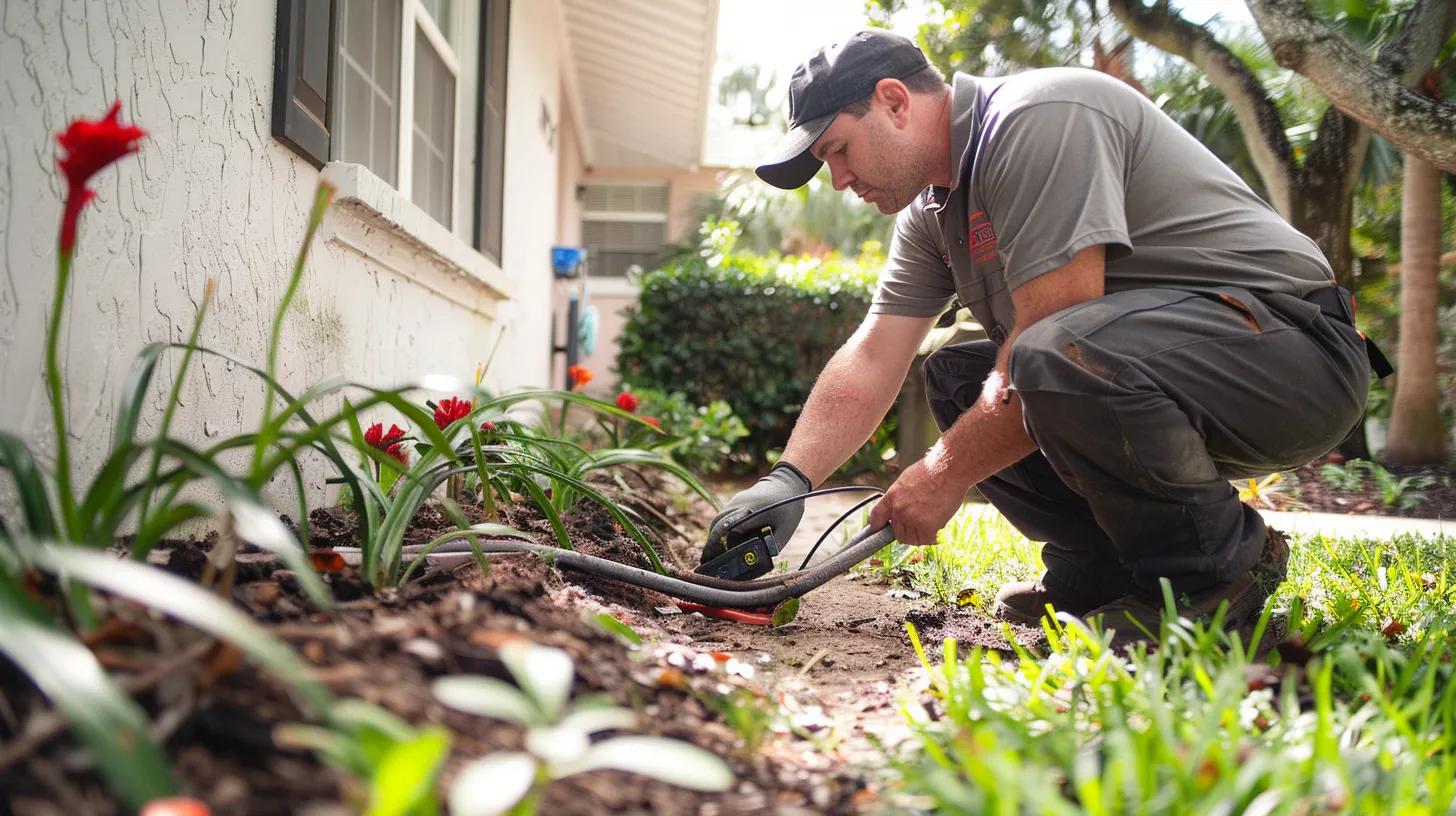
Protect Your Investment: Why Every Homebuyer Needs a Sewer Scope Inspection
By Fred Rodrigues, Certified Master Inspector with thousands of inspections done in Florida
Article Recap: Your Essential Guide to Sewer Scope Inspections
A sewer scope inspection is a non-negotiable step for every homebuyer:
- Uncover Hidden Costs: A sewer scope acts as a “colonoscopy” for your home, revealing costly, unseen issues like collapsed pipes, root intrusion, or corrosion before you buy.
- Protect Your Investment: Real-life examples show how inspections have saved homebuyers thousands by identifying problems that allowed for negotiation or informed decisions.
- Professional Expertise: Qualified inspectors use specialized push cameras with high resolution (720p-1080p), sufficient cable length (100-200 ft), IP68 waterproofing, adjustable LEDs, and 512Hz locators for accurate diagnostics.
- When to Scope: It’s especially crucial for homes built before 1980, properties with mature trees, or those with a history of drainage issues.
- What to Expect: A systematic process involving camera navigation, continuous recording, and a comprehensive report detailing any defects (roots, cracks, bellies) with clear recommendations.
- Empower Your Negotiation: The inspection report provides critical evidence for negotiating repairs, price reductions, or making an informed decision to walk away from a problematic deal.
Just as a general home inspection is crucial, a pre-purchase sewer scope acts as a “colonoscopy” for your potential new home. This specialized, non-invasive inspection uncovers costly problems lurking in the main sewer line before you finalize your purchase. This guide details why this often-overlooked inspection is paramount for homebuyers, what it involves, what problems it can reveal, and how it protects your investment.
Why Every Homebuyer Needs a Sewer Scope: Uncovering Hidden Liabilities
Imagine buying your dream home, only to discover weeks later that the main sewer line is collapsed, riddled with tree roots, or severely corroded. This is a reality for countless new homeowners who skipped the sewer scope. Unlike a standard home inspection, a sewer scope uses a specialized camera to navigate underground pipes, revealing the true condition of this critical system.
Sarah, a first-time homebuyer, almost bought a 1950s bungalow. Her inspector recommended a sewer scope, which revealed a significant belly with standing water and severe root intrusion, indicating imminent collapse. With an estimated repair cost over $15,000, Sarah negotiated a substantial credit from the seller, saving her from a massive financial burden.
The Miller family purchased a newly built home, assuming perfect pipes. A sewer scope, however, showed construction debris causing partial blockages. This early detection prevented future backups and allowed the builder to rectify the issue before they moved in.
These stories highlight why a sewer scope is a critical due diligence step, preventing significant financial and emotional stress. It provides a clear picture of your home’s “digestive system” health before it becomes your problem.
What Kind of Camera Does a Home Inspector Use for a Sewer Scope?
For residential sewer scopes, home inspectors primarily rely on a specialized **push camera**. This workhorse navigates typical residential drain and sewer lines, which are generally smaller and have tight bends.
- Push cameras are compact, flexible tools ideal for the short to moderate runs and tight bends found in residential laterals (typically 2-6 inches in diameter). The camera head is attached to a semi-rigid cable that the inspector manually pushes into the drain, while monitoring live video on a screen.
While larger, motorized crawler and robotic cameras exist for municipal mains, they are not used for standard residential pre-purchase sewer scopes. The push camera offers the perfect balance of maneuverability, cost-effectiveness, and diagnostic capability for residential environments.
Understanding these tools helps you appreciate the thoroughness of a professional sewer scope, a specialized service beyond a standard visual inspection.
Key Features Your Inspector’s Sewer Camera Should Have
A sewer scope’s effectiveness hinges on equipment quality. Your inspector should use a camera system with specific features for accurate diagnosis and reliable performance, directly impacting their ability to detect critical defects and provide actionable information.
How Does Camera Resolution Impact Inspection Accuracy?
High-resolution footage (1080p Full HD) is crucial for identifying subtle defects like hairline cracks, early root intrusion, or minor joint offsets. Missing these can lead to major problems. Higher resolution provides clearer evidence for negotiation and accurate pipe condition assessment.
Why Are Cable Length and Flexibility Important for Pipe Inspections?
Sufficient cable length (100-200 feet) and flexibility are vital to inspect the entire lateral line, from house to city main or septic. A flexible cable navigates bends, and a meter counter pinpoints defect locations.
What Durability Features Ensure Reliable Performance in Harsh Environments?
Sewer environments are harsh. Professional cameras require IP68 waterproofing, chemical-resistant coatings, and robust lens protection to ensure reliable operation and prevent breakdowns, guaranteeing a clear, uninterrupted view of your sewer health.
How Do Illumination and Advanced Maneuverability Improve Inspection Results?
Effective, adjustable LED illumination is critical for seeing inside dark pipes, revealing surface textures and cracks. A self-leveling camera head ensures upright, oriented images, making footage easier to interpret and defects easier to classify for precise diagnosis.
What Are the Benefits of Locators, Zoom, and Recording Capabilities?
A 512Hz locator/transmitter with a meter counter pinpoints above-ground defect locations, crucial for targeted repairs. Recording capabilities (MP4, AVI) provide video evidence with metadata, powerful for negotiation, repair quotes, and future reference.
Why Rely on a Professional Home Inspector for Your Sewer Scope?
Why Professional-Grade Equipment and Expertise are Non-Negotiable
Budget DIY cameras are inadequate for critical pre-purchase sewer scopes. Professional-grade equipment, used by experienced inspectors, offers superior imaging, reliable locator integration, and durability. This investment, combined with inspector training, delivers accurate diagnostics and defensible reporting. Attempting a DIY scope is risky and could miss critical issues. For a home investment, relying on a professional is the only sensible choice.
When It’s Absolutely Better to Hire Professional Inspection Services
When buying a home, the stakes are high, making professional sewer scopes essential. Indicators to call a pro include:
- Any home built before 1980: Older homes often have clay, cast iron, or Orangeburg pipes, which are prone to collapse, root intrusion, and corrosion.
- Homes with mature trees: Tree roots are notorious for infiltrating and damaging sewer lines.
- Signs of past drainage issues: Even if seemingly resolved, past backups or slow drains could indicate underlying pipe problems.
- When legal and permit requirements demand certified reports: Professional documentation supports insurance claims and municipal permits, reducing your risk.
- Suspected structural failure or repeated issues: If the seller discloses any past issues, a professional scope is essential to verify the current condition.
Professionals bring advanced camera systems, trained operators, and standardized reporting. They manage safety and equipment retrieval. If the situation exceeds your expertise – which it will for a pre-purchase scope – book inspection online to secure an experienced technician.
What to Expect During a Professional Pre-Purchase Sewer Scope
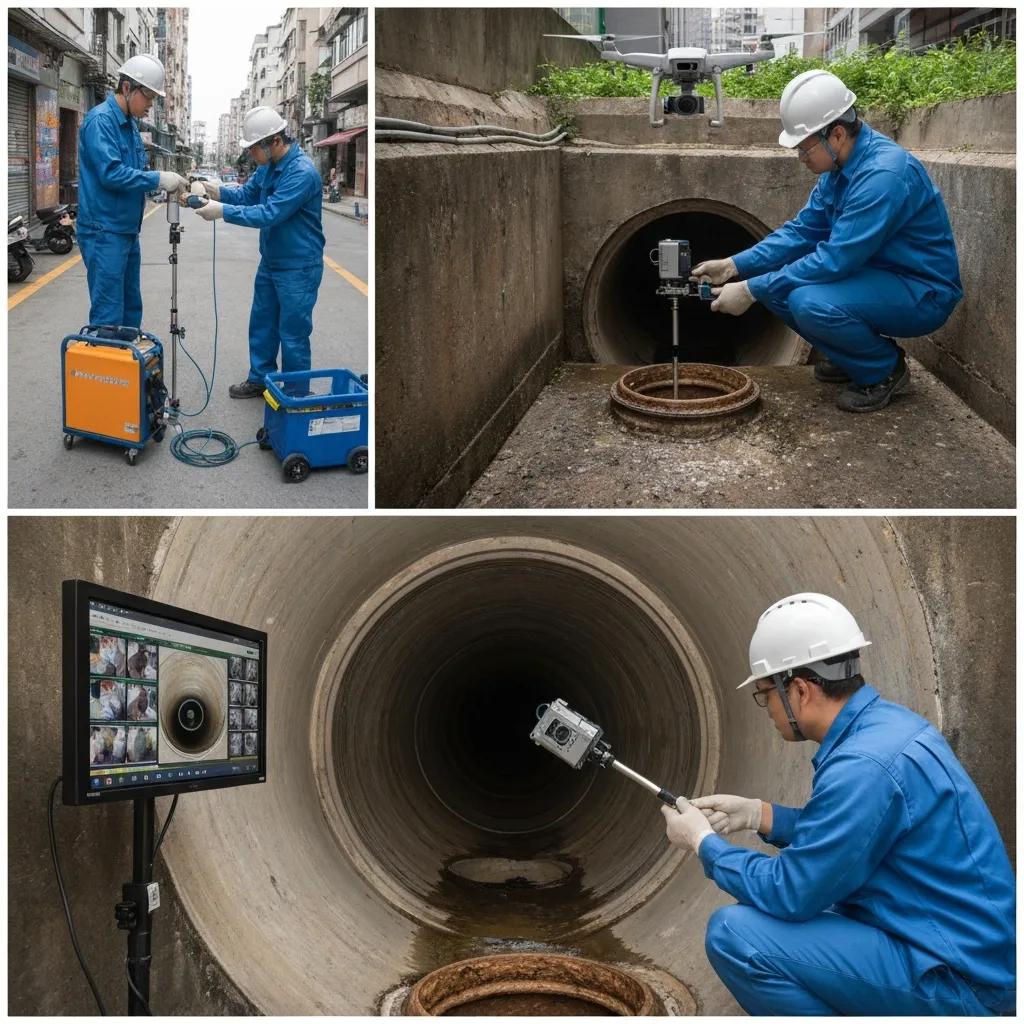
A professional sewer scope follows a systematic process, producing actionable evidence for your home purchase. Understanding these stages clarifies on-site actions and deliverables, including recorded video, 512Hz locator data, and a written assessment.
What Are the Steps Involved in a Professional Sewer Scope?
- Scheduling and Scoping: Schedule the service, providing property details and access points.
- On-Site Setup: The technician locates the main sewer cleanout, performs safety checks, and calibrates equipment.
- Camera Insertion and Navigation: The inspector inserts and navigates the camera, monitoring live video, meter counter, and locator output. Lighting and angle are adjusted for clear footage.
- Recording and Measurement: Continuous footage is recorded with timecode and locator metadata. Defects are noted and precisely measured.
- Reporting and Recommendations: After inspection, the inspector creates a comprehensive report with annotated stills, defect measurements, and clear repair recommendations, then discusses findings with you.
The process delivers video evidence and clear recommendations, empowering your home purchase decision.
How Do You Interpret Sewer and Drain Inspection Footage?
Your inspector guides you through footage, pointing out visual markers:
- Root Intrusion: Appears as fibrous masses growing from pipe joints or cracks.
- Grease Buildup: Smooth, semi-translucent films or thick blockages.
- Cracks/Fractures: Linear disruptions in the pipe wall, often with signs of water infiltration.
- Offsets: Misaligned pipe joints, which can catch debris and lead to blockages.
- Bellies (Sags): Sections of pipe that have sagged, creating areas where water and debris collect, leading to blockages and corrosion.
- Corrosion/Scale: Rough, pitted surfaces, especially in older cast iron pipes.
- Collapsed Pipe: A complete obstruction or severe deformation of the pipe, often requiring immediate repair.
Meter counters and locator readouts correlate defects with above-ground locations, clarifying severity and repair scope. Accurate interpretation ensures proportionate repair choices.
What Are the Typical Next Steps After a Sewer Scope?
Based on the report, several paths emerge:
- No Issues Found: Great news! Proceed with confidence regarding your sewer line.
- Minor Issues (e.g., light grease buildup): May require simple jetting or mechanical cleaning, a minor negotiation point.
- Moderate Issues (e.g., significant root intrusion, minor offsets): These might require targeted section repair, pipe lining, or more extensive cleaning. A strong negotiation point for seller credits or repairs.
- Major Issues (e.g., collapsed pipe, severe bellies): Often necessitate excavation and full pipe replacement, which can be very costly. This gives significant leverage to negotiate a substantial price reduction, require seller repair, or walk away.
The report provides evidence for quotes, permits, and negotiations, streamlining approvals and bidding for informed decisions.
Why Book Your Professional Sewer Scope Online?
Booking your professional sewer scope online offers convenience, faster scheduling, and clearer scoping. Online forms capture essential site details, enabling technicians to prepare correct equipment and personnel. Online booking reduces phone-tag, provides transparency, and allows attaching photos/notes to anticipate challenges.
Expert technicians with professional cameras deliver accurate diagnostics, precise locational data, and defensible reporting. Advantages of online booking include:
- Convenience and Speed: Online booking saves time and captures job details that help dispatch the right team quickly.
- Accurate Scoping: Pre-visit information lets technicians bring the appropriate camera (push camera for residential) and prepare for specific pipe materials or access challenges.
- Documentation Ready: Online workflows often integrate photo attachments and scheduling notes, improving on-site efficiency and ensuring all relevant information is shared.
Online booking leads to faster, better-targeted repairs and less downtime, protecting your home investment.
Frequently Asked Questions
What are the signs that a sewer scope is necessary before purchasing a home?
Indicators for a sewer scope include older properties (pre-1980), mature trees, past drainage problems, or disclosed plumbing issues. A scope verifies the sewer system’s current condition.
How long does a typical sewer scope inspection take?
A typical sewer scope takes 1-2 hours, depending on system complexity and line length. This includes setup, camera navigation, recording, and report preparation. Allocate enough time for a thorough inspection.
What should I do if the sewer scope reveals significant issues?
If a sewer scope reveals significant issues, you can negotiate with the seller for repairs or a price reduction, or walk away. The report provides documentation for informed decisions.
Can I perform a sewer scope myself?
DIY sewer scopes are not recommended for critical pre-purchase inspections. Professional-grade equipment and expertise are essential for accurate diagnostics. Trained inspectors use specialized push cameras and interpret footage accurately, identifying issues a layperson might miss. Invest in professional service for a thorough assessment.
What is the typical cost range for a sewer scope inspection?
Sewer scope costs vary ($100-$500) based on location, property size, and system complexity. This small investment offers significant peace of mind and financial protection compared to potential major repair costs, which can be thousands.
How can I prepare for a sewer scope inspection?
Prepare by ensuring the inspector has clear access to the main sewer cleanout (outside or in the basement). Inform them of any known plumbing issues to help them focus the evaluation.
What Is the Difference Between a Borescope and a Pipe Inspection Camera?
A borescope is for small openings and close-up machinery inspection, not long, submerged sewer lines. A pipe inspection camera (like push cameras) is built for continuous insertion, waterproofing, and traversing pipes, often with locators and meter counters for full diagnostics. For a home’s sewer system, use a dedicated pipe inspection camera.
Conclusion
Investing in a pre-purchase sewer scope is essential for safeguarding your home investment, revealing hidden issues and preventing costly repairs. This specialized inspection provides peace of mind and critical information for effective negotiation. Understand your sewer system’s true condition to make informed decisions and protect your financial future. Schedule your professional sewer scope today.