Understanding the Home Inspection Process
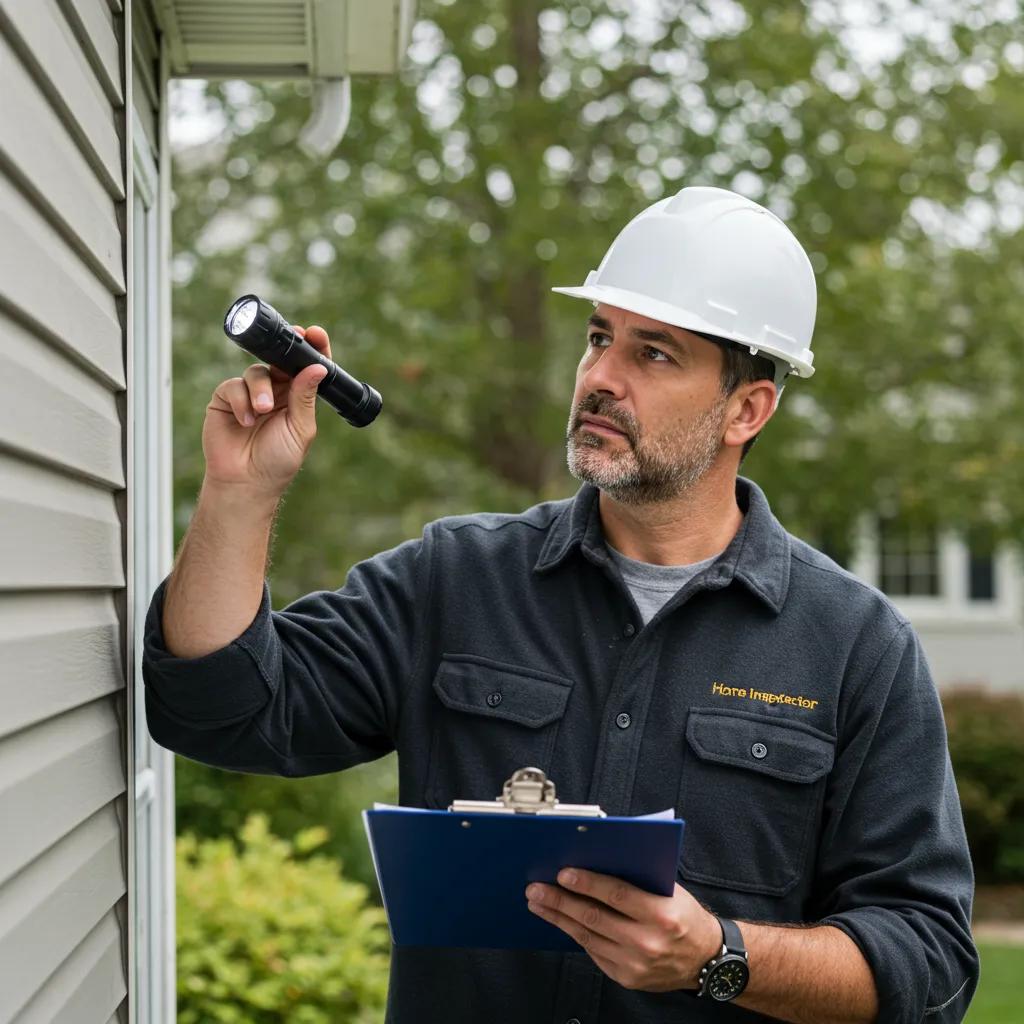
The home inspection process is a crucial step for buyers and sellers alike, providing a comprehensive evaluation of a property's condition. This process typically involves a thorough examination of the home's major systems, including plumbing, electrical, roofing, and HVAC systems, helping stakeholders make informed decisions.
During an inspection, a certified inspector will identify any existing issues and potential future concerns, allowing homeowners to address problems proactively. For instance, understanding the age and condition of a roof can inform future maintenance decisions, ultimately saving homeowners money and time in the long run.
Common Myths About Home Inspections
There are several misconceptions surrounding home inspections that can lead to confusion for buyers and sellers. One common myth is that a home inspection is only necessary for older homes, while in reality, newer homes can also have hidden issues that require attention.
Another prevalent myth is that a home inspection guarantees that a house is free of problems. Instead, inspections provide a snapshot of the home's condition at a specific time, highlighting areas that may need further evaluation or repair. Understanding these myths can help homeowners approach the inspection process with realistic expectations.
The Importance of Pre-Listing Inspections
Pre-listing inspections offer significant advantages for sellers, helping them identify and address potential issues before listing their home on the market. By proactively addressing concerns, sellers can enhance their property's appeal and potentially increase its value.
Additionally, pre-listing inspections can streamline the selling process by reducing the likelihood of negotiations falling through due to unexpected findings during buyer inspections. This transparency fosters trust between sellers and potential buyers, leading to smoother transactions.
Tips for Choosing a Qualified Home Inspector
Selecting the right home inspector is vital to ensure a thorough and accurate evaluation. Homeowners should consider factors such as the inspector's qualifications, experience, and reviews from previous clients to make an informed decision.
It's also beneficial to ask potential inspectors about their inspection process and what specific areas they cover. A qualified inspector will provide a detailed report and be willing to answer any questions, ensuring that homeowners feel confident in their findings and recommendations.
Understanding the Home Inspection Process
The home inspection process is a crucial step for buyers and sellers alike, providing a comprehensive evaluation of a property's condition. This process typically involves a thorough examination of the home's major systems, including plumbing, electrical, roofing, and HVAC systems, helping stakeholders make informed decisions.
During an inspection, a certified inspector will identify any existing issues and potential future concerns, allowing homeowners to address problems proactively. For instance, understanding the age and condition of a roof can inform future maintenance decisions, ultimately saving homeowners money and time in the long run.
Common Myths About Home Inspections
There are several misconceptions surrounding home inspections that can lead to confusion for buyers and sellers. One common myth is that a home inspection is only necessary for older homes, while in reality, newer homes can also have hidden issues that require attention.
Another prevalent myth is that a home inspection guarantees that a house is free of problems. Instead, inspections provide a snapshot of the home's condition at a specific time, highlighting areas that may need further evaluation or repair. Understanding these myths can help homeowners approach the inspection process with realistic expectations.
The Importance of Pre-Listing Inspections
Pre-listing inspections offer significant advantages for sellers, helping them identify and address potential issues before listing their home on the market. By proactively addressing concerns, sellers can enhance their property's appeal and potentially increase its value.
Additionally, pre-listing inspections can streamline the selling process by reducing the likelihood of negotiations falling through due to unexpected findings during buyer inspections. This transparency fosters trust between sellers and potential buyers, leading to smoother transactions.
Tips for Choosing a Qualified Home Inspector
Selecting the right home inspector is vital to ensure a thorough and accurate evaluation. Homeowners should consider factors such as the inspector's qualifications, experience, and reviews from previous clients to make an informed decision.
It's also beneficial to ask potential inspectors about their inspection process and what specific areas they cover. A qualified inspector will provide a detailed report and be willing to answer any questions, ensuring that homeowners feel confident in their findings and recommendations.