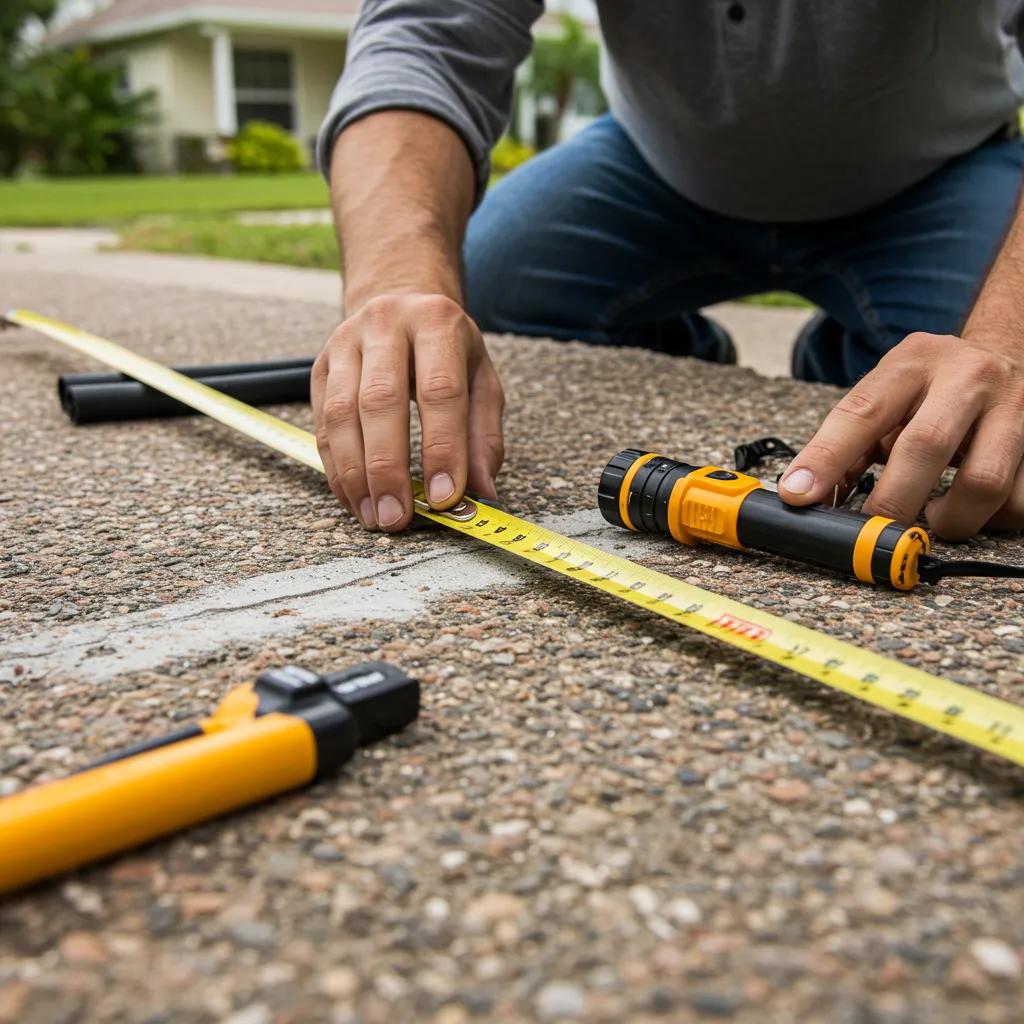
Avoid Costly Repairs: Hidden Risks When Skipping Home Inspections
By Fred Rodrigues, Certified Master Inspector
Key Takeaways: Why Home Inspections Are Essential
Skipping a home inspection can lead to significant financial burdens, safety hazards, and legal complications. This article highlights critical risks, from costly foundation and roof repairs to hidden mold and pest infestations, especially in Florida’s unique environment. Learn how inspections protect your investment, health, and negotiation power, ensuring informed decisions for buyers, sellers, and real estate professionals.
- Financial Risks: Avoid tens of thousands in unexpected repairs (foundation, roof, HVAC, electrical, plumbing).
- Safety & Health: Detect hidden mold, radon, pests, and electrical fire hazards early.
- Legal & Transactional: Preserve negotiation leverage, ensure insurance eligibility, and mitigate liability.
- Florida Specifics: Address hurricane vulnerabilities, termite damage, and insurance-mandated inspections.
Skipping a home inspection means accepting a property without a professional evaluation of its structure, systems, and hazards. This decision can lead to sudden, high-cost surprises after closing. This article explains what buyers and sellers often miss, quantifies expensive unseen problems, and outlines legal, health, and Florida-specific risks that make inspections essential. You’ll learn which categories (foundation, roof, HVAC, electrical, plumbing) carry the largest financial exposure, which safety and health hazards inspections catch, and how waiving contingencies increases liability. The guide also addresses real estate professionals and sellers on pre-listing inspections and risk mitigation.
What Are the Financial Risks of Skipping a Home Inspection?
Waiving an inspection transfers discovery risk to the buyer, who may face major repair categories exceeding any initial savings. Inspections reveal defects early, preserving negotiation power and preventing urgent, costly specialist repairs later. Below are top high-cost issues buyers face when forgoing inspections.
- Foundation problems can require structural repair or stabilization, often costing tens of thousands.
- Roof failures may force full replacement sooner than expected, adding significant immediate expense.
- HVAC system failures can require costly replacement or major repairs when not properly evaluated.
- Electrical and plumbing defects create repair and safety costs that often exceed simple patch work.
- Pest- and moisture-related damage can undermine other systems, compounding expenses.
What appears as short-term savings can become large, unplanned liabilities. The next subsection explains foundation failures—one of the most financially damaging outcomes.
Which Hidden Home Problems Lead to Expensive Foundation Repairs?
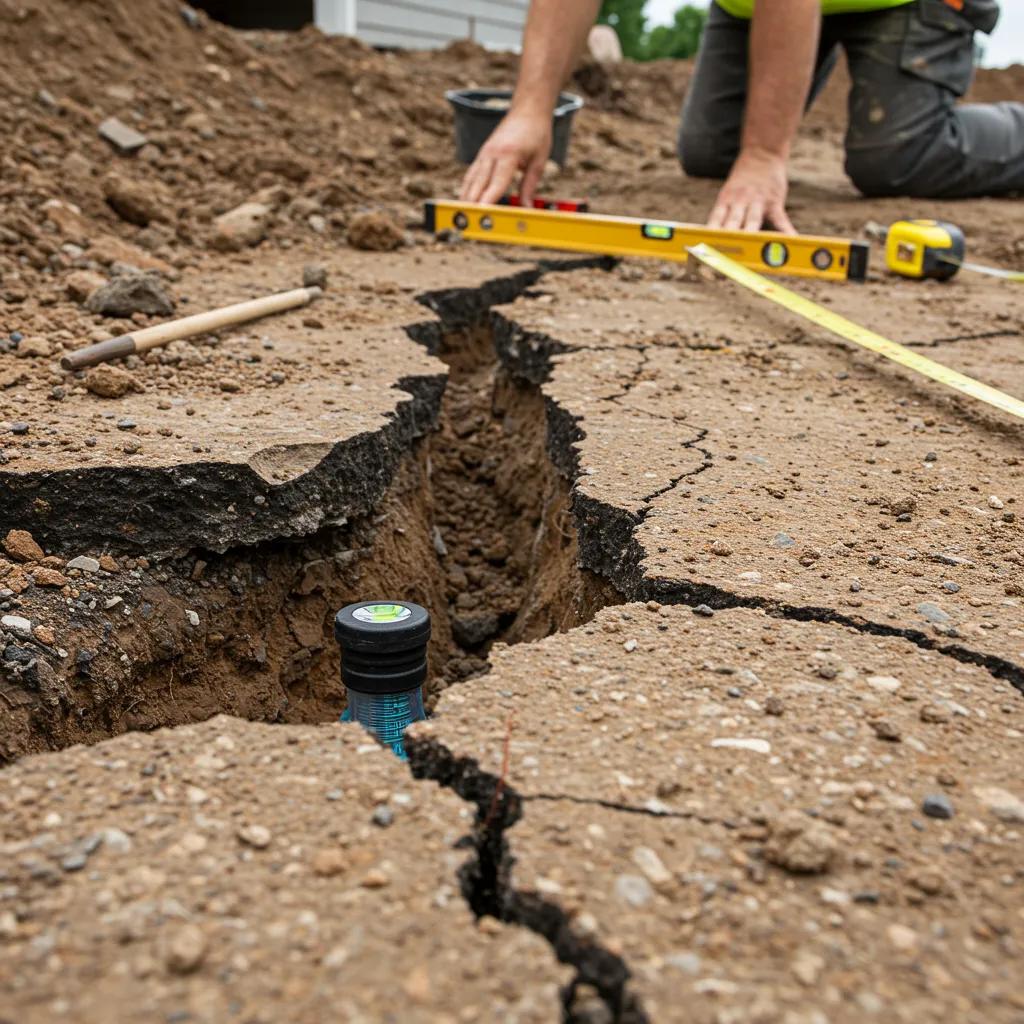
Foundation failures include settling, wide cracks, poor drainage, and in Florida, subsurface soil issues. An inspection identifies early distress signs like hairline cracks and uneven floors. Remediation ranges from targeted underpinning to full stabilization, with costs varying. Early detection allows buyers to negotiate repairs or credits, preventing unexpected outlays after closing.
How Can Electrical and Plumbing Issues Increase Repair Costs?
Hidden electrical problems—like overloaded circuits or outdated panels—create safety hazards and expensive upgrade needs. Plumbing issues like concealed leaks or corroded pipes can cause water damage and mold, forcing extensive remediation. Inspections test visible systems and identify signs of concealed failure, giving buyers leverage for negotiations and avoiding emergency bills.
What Are Typical HVAC and Roof Repair Expenses Without Inspection?
Aging HVAC systems often fail prematurely, with replacement costs rivaling down payments. Roof problems, including deteriorated flashing and unseen leaks, can lead to interior water damage and complete replacement. Inspectors assess system age, maintenance history, and observable wear, flagging deferred maintenance. Identifying these issues pre-closing reduces urgent, high-dollar repairs in the first year.
For buyers seeking to avoid these exposures, a professional pre-purchase home inspection identifies defects, allowing for negotiated remedies or informed withdrawal. A timely report clarifies repair scale, converting uncertain risk into documented facts, often saving thousands compared with surprise repairs after closing.
What Safety and Health Hazards Are Missed When Waiving Home Inspections?
Waiving an inspection risks overlooking health and safety hazards that threaten occupants and property value, including mold, radon where applicable, pests, and electrical fire hazards. Inspections combine visual checks with targeted tests to locate moisture intrusion, compromised ventilation, and unsafe wiring. Addressing these hazards before closing protects occupant health, limits remediation complexity, and prevents insurance or resale complications.
- Mold growth often begins in hidden cavities and amplifies respiratory problems for vulnerable occupants.
- Radon exposure, though variable regionally, is a known lung cancer risk and requires testing to detect.
- Pest infestations—especially termites in Florida—cause structural loss that inspections can reveal early.
Detecting these hazards early reduces long-term health costs and preserves property integrity. The subsections below unpack mold, radon, and pest/electrical risks.
How Does Mold in Uninspected Homes Affect Health and Finances?
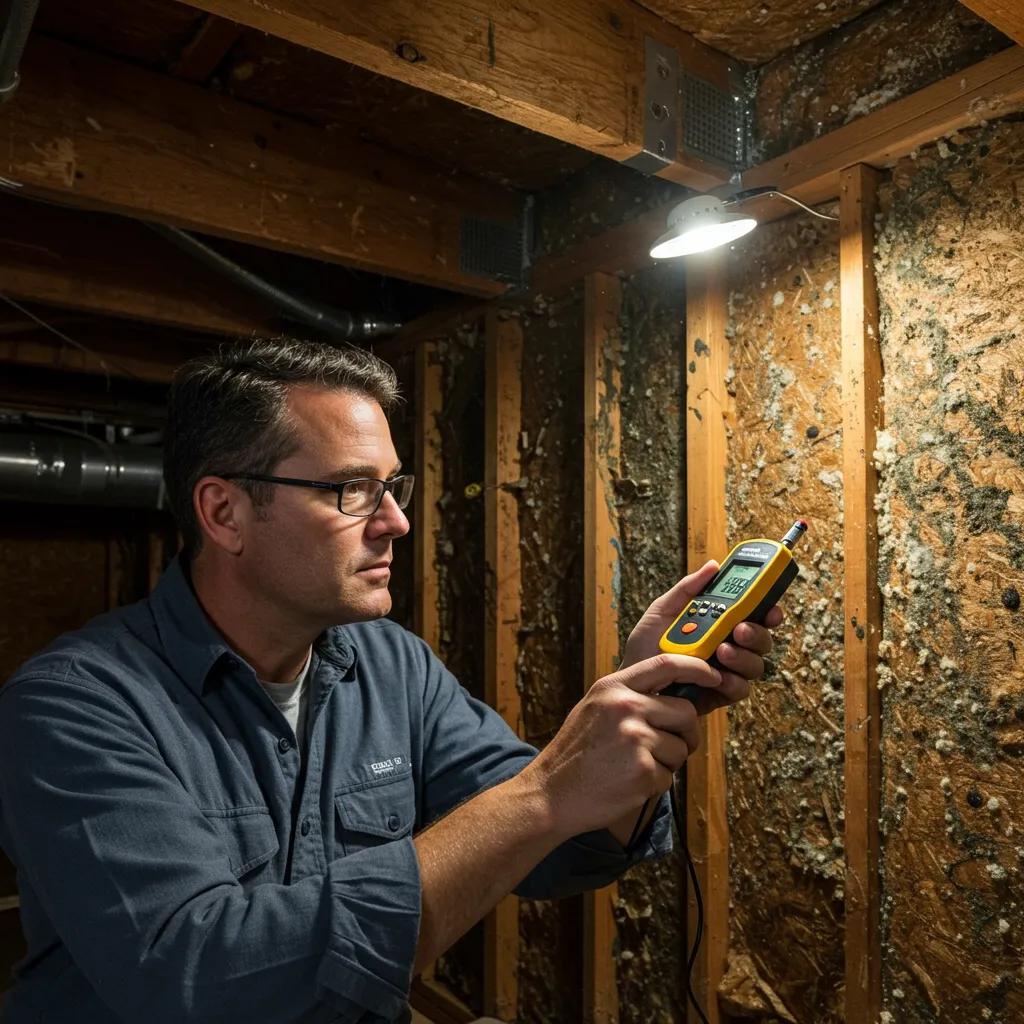
Mold results from moisture intrusion and hidden leaks, exacerbating respiratory conditions. Remediation ranges from targeted removal to major reconstruction. Inspectors identify moisture sources and recommend testing or remediation. Early detection minimizes health impacts and limits repair costs compared with finding mold after symptoms appear.
Why Is Radon Testing Important for Florida Homes?
Radon is an odorless, radioactive gas increasing lung cancer risk; testing is the only way to confirm elevated levels. Inspectors recommend testing when conditions suggest accumulation. Mitigation systems reduce radon to acceptable levels, preventing long-term health exposure and urgent mitigation after moving in.
What Are the Dangers of Pest Infestations and Electrical Hazards?
Termite activity and other pests can quietly consume framing, leading to expensive replacements. Electrical hazards—such as improper junctions or overloaded circuits—create clear fire risk. Inspections flag evidence of pest damage and unsafe electrical conditions, enabling buyers to require treatment, repair, or price adjustments. Identifying these issues pre-closing prevents compounding structural and safety problems.
What Legal and Transactional Risks Arise from Skipping Home Inspections?
Skipping inspections affects legal recourse, contingency negotiation, and insurance eligibility, shifting risk to parties lacking leverage or information. Seller disclosures are not a substitute for an independent inspection. Waiving an inspection contingency removes a structured opportunity to negotiate repairs or credits, limiting options if major defects surface post-closing.
- Seller disclosures do not replace a professional inspection and often omit concealed issues.
- Waived inspection contingencies remove formal negotiation steps and can increase buyer losses.
- Certain insurance policies require specific inspections and documented reports for eligibility or premium reduction.
Understanding these implications helps buyers and agents choose prudent risk-management strategies. The H3 subsections below explain Florida disclosure rules, inspection contingencies, and insurance impacts.
How Do Florida Seller Disclosure Laws Impact Buyers and Sellers?
Florida seller disclosure laws require sellers to disclose known material defects, but these rely on seller knowledge and may miss concealed issues. Buyers should treat disclosures as supplemental. An independent inspection provides documented, objective findings that validate or contradict disclosures, creating a factual basis for negotiation. For disputes, consult legal counsel.
Buyer Beware: Concealed Defects and Failed Inspections in Property Transactions
This paper examines the behaviour of vendors and purchasers indirectly through the judicial decisions in Malaysia, Australia, and the United States. The decided cases illustrate that buyers are still indolent in their duty to conduct pre-purchase inspections, some vendors were seen to have actively concealed defects in the property and fraudulently misrepresented the conditions of the properties. This paper suggests consumer education for both the vendors and purchasers and the extension of the jurisdiction of either the Tribunal for Homebuyers Claims or the Tribunal for Consumer Claims to include matters regarding the dispute as to the condition of the property.
Home buyers’ and vendors’ behaviours: analysis of judicial decisions, NC Abdullah, 2017
What Is a Home Inspection Contingency and Why Should It Not Be Waived?
An inspection contingency allows buyers a defined period to obtain inspections and negotiate repairs or credits, protecting them from substantial defects. Waiving this contingency exchanges certainty for speed, but removes structured negotiation leverage. Without an inspection, buyers may bear full remediation costs post-closing.
Can Skipping Inspections Affect Home Insurance and Liability?
Insurers sometimes require specific reports—like 4-point or wind mitigation inspections in certain markets—to issue policies or set premiums; undisclosed defects can complicate claims. Documented inspections support coverage applications and defend against denial. Agents and sellers benefit from documented inspections as they create transparency and reduce liability by demonstrating proactive disclosure.
Why Should Real Estate Professionals and Home Sellers Prioritize Pre-Listing Inspections?
Pre-listing inspections create market confidence, reduce renegotiation, and streamline closings by resolving defects before offers. Agents positioning pre-inspected homes can shorten market time and attract stronger offers. Pre-listing reports allow sellers to prioritize repairs that maximize sale value rather than reactive fixes. Benefits include:
- Accurate pricing based on verified condition reduces later price reductions.
- Proactive repairs and disclosures lower the chance of buyer walkaways.
- Comprehensive reports serve as marketing assets that build buyer trust.
Using certified inspectors and clear reports helps agents reduce transactional friction and supports defensible representations during negotiations.
How Do Pre-Listing Inspections Build Buyer Confidence and Speed Sales?
Pre-listing inspections identify fixable issues and create transparency, reassuring buyers and accelerating offers. When sellers address prioritized repairs upfront, listings can command fairer pricing and see fewer post-inspection renegotiations. Agents can market a property as pre-inspected to attract confident buyers. This proactive approach converts latent risk into a documented plan.
How Do Certified Inspectors Reduce Liability for Real Estate Agents?
Certified inspectors provide standardized, evidence-based reports with photographs and clear findings that agents can rely on. Documentation reduces ambiguity in seller disclosures and creates a defensible record. Agents should encourage full reports and timely delivery to respond to offers with factual repair scope. Clear inspection documentation is an agent’s best tool for reducing liability.
What Advanced Tools Help Uncover Hidden Issues Before Listing?
Advanced inspection technologies—thermal imaging, moisture meters, and above-ground drones—reveal issues invisible to the naked eye, including hidden moisture paths, insulation voids, and roof defects. These tools augment visual inspection, enabling faster, more accurate reporting and better-informed repair decisions. High-resolution imagery and rapid reports help agents present verifiable evidence, shortening negotiation windows.
What Florida-Specific Risks Make Home Inspections Essential?
Florida’s risk profile amplifies the need for inspections due to hurricanes, termites, and insurance-driven inspection types affecting safety and insurability. Local weather events stress roofs, while termite prevalence targets structural wood. Inspections in Florida focus on storm resilience, pest evidence, and insurer-required documentation. High-priority focuses include:
- Hurricane-related vulnerabilities such as roofing, windows, and sealing against water intrusion.
- Termite and pest evidence that can indicate deep structural damage.
- Insurance-related inspections like 4-point and wind mitigation that influence coverage and premiums.
Addressing these Florida-specific concerns early protects property value and simplifies insurance underwriting.
Frequently Asked Questions
1. What should I expect during a home inspection?
During a home inspection, a certified inspector will evaluate the property’s major systems and structures, including the roof, foundation, plumbing, electrical systems, and HVAC. They will look for visible defects, safety hazards, and signs of wear or damage. The inspector will provide a detailed report outlining their findings, which may include photographs and recommendations for repairs. This process typically takes a few hours, depending on the property’s size and condition, and is crucial for making informed decisions about the purchase.
2. How can I prepare my home for a pre-listing inspection?
To prepare for a pre-listing inspection, homeowners should declutter and clean the property, ensuring that all areas are accessible, including attics, basements, and crawl spaces. Addressing minor repairs, such as fixing leaky faucets or replacing burnt-out light bulbs, can create a positive impression. Additionally, providing documentation of past repairs and maintenance can help the inspector assess the home’s condition more accurately. Being proactive in this way can lead to a smoother inspection process and potentially higher offers from buyers.
3. Are there specific inspection requirements for older homes in Florida?
Yes, older homes in Florida often require specific inspections, such as 4-point inspections and wind mitigation assessments. A 4-point inspection evaluates the roof, HVAC, plumbing, and electrical systems to ensure they meet safety standards and are in good working condition. Wind mitigation inspections assess the home’s ability to withstand hurricane conditions, which can influence insurance premiums. These inspections are crucial for older homes to ensure safety and compliance with insurance requirements, helping buyers avoid unexpected costs.
4. What are the benefits of having a home inspection contingency in a purchase agreement?
A home inspection contingency in a purchase agreement allows buyers to have the property inspected before finalizing the sale. This contingency provides a defined period for the buyer to negotiate repairs or credits based on the inspection findings. It protects buyers from unforeseen issues that could lead to significant expenses after closing. By including this contingency, buyers can make informed decisions and potentially walk away from the deal if serious defects are discovered, ensuring they are not financially burdened by hidden problems.
5. How can I find a qualified home inspector in Florida?
To find a qualified home inspector in Florida, start by seeking recommendations from real estate agents, friends, or family who have recently purchased homes. You can also check online directories and review sites for certified inspectors in your area. Look for inspectors who are licensed, insured, and have good reviews. Additionally, consider asking potential inspectors about their experience, inspection process, and whether they provide detailed reports. A qualified inspector will help ensure you receive a thorough evaluation of the property.
6. What are the potential consequences of ignoring health hazards during a home inspection?
Ignoring health hazards during a home inspection can lead to serious consequences for occupants, including respiratory issues from mold exposure, increased risk of electrical fires from faulty wiring, and long-term health risks from radon exposure. These hazards can also result in costly remediation efforts if not addressed early. Additionally, overlooking these issues can complicate insurance claims and resale opportunities. A thorough inspection helps identify these risks, allowing for timely remediation and protecting the health and safety of all occupants.
7. How do home inspections impact the negotiation process in real estate transactions?
Home inspections significantly impact the negotiation process in real estate transactions by providing buyers with leverage to request repairs or price adjustments based on the inspector’s findings. If significant issues are discovered, buyers can negotiate for the seller to address these problems before closing or ask for credits to cover repair costs. This transparency fosters trust between parties and can lead to smoother transactions. Without an inspection, buyers may face unexpected expenses after closing, making it crucial to include this step in the buying process.
Conclusion
Skipping a home inspection can lead to unforeseen financial burdens and safety hazards that significantly outweigh any perceived savings. By understanding these critical risks, buyers and sellers can make informed decisions that protect their investments and health. Schedule a professional inspection before finalizing any property deal to ensure a smooth transaction and peace of mind.