Understanding the Home Inspection Process
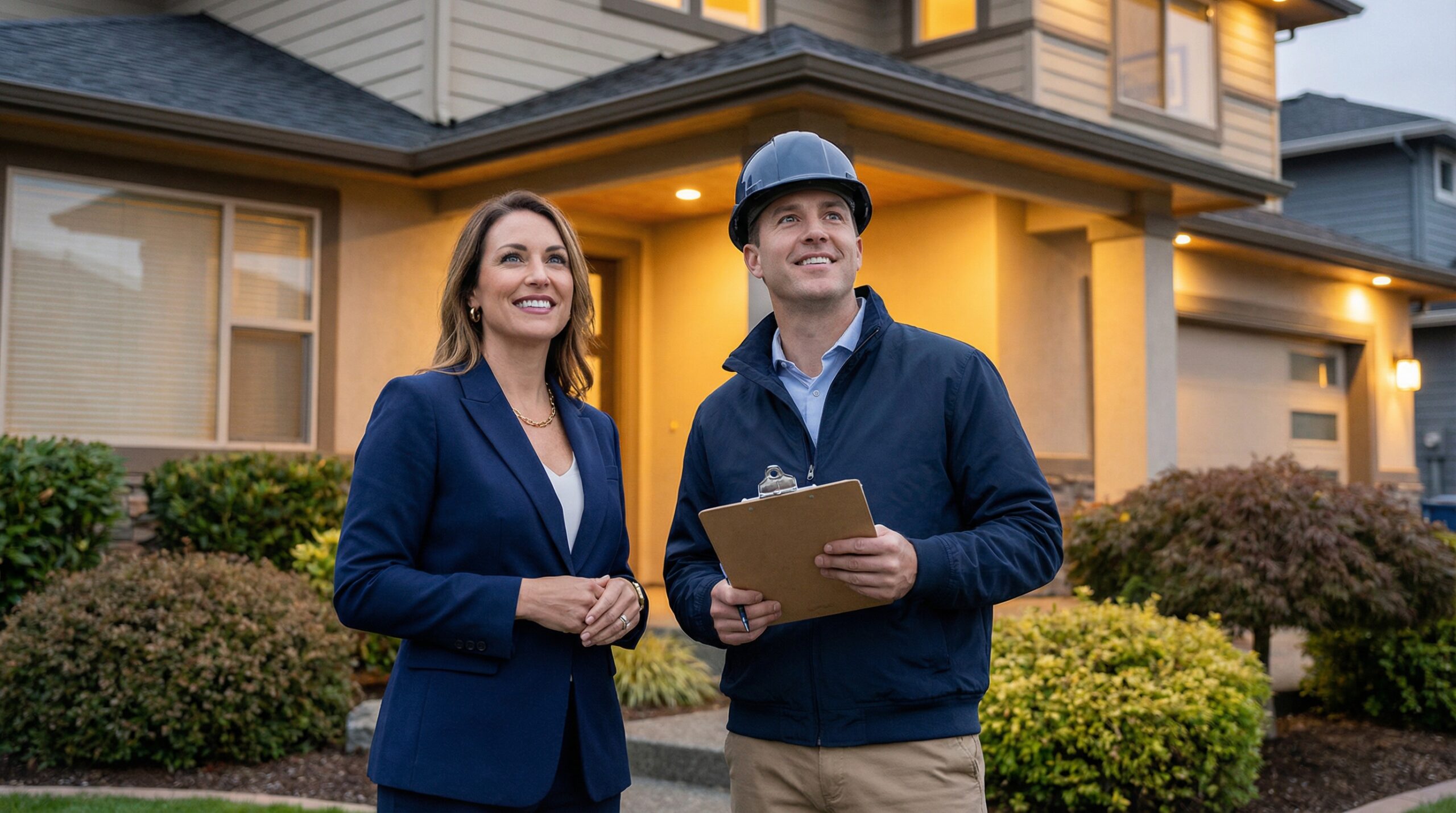
The home inspection process is crucial for potential homeowners to ensure they are making informed decisions. This involves a thorough evaluation of a property's condition, identifying any existing issues that could affect its value or safety.
A typical home inspection covers various components, including the roof, plumbing, electrical systems, and structural integrity. By understanding the inspection process, homeowners can better prepare for inspections and know what to expect, ultimately leading to a more confident purchase decision.
Common Issues Found During Home Inspections
Home inspections often reveal common issues that can significantly impact a buyer's decision. These issues may include water damage, mold growth, outdated electrical systems, and structural problems.
For instance, a leaky roof can lead to extensive water damage if not addressed promptly. By being aware of these common pitfalls, potential homeowners can negotiate repairs or price reductions with sellers, ensuring they invest in a property that meets their needs and expectations.
Benefits of Regular Home Inspections
Regular home inspections are essential for maintaining the value and safety of a property. They help homeowners identify potential problems before they escalate into costly repairs, ensuring a safe living environment.
For example, scheduling an inspection every few years can uncover issues like pest infestations or deteriorating structural elements. This proactive approach not only preserves the home's value but also provides peace of mind for homeowners regarding their investment.
Choosing the Right Home Inspector
Selecting a qualified home inspector is vital for a thorough and reliable inspection. Homeowners should look for inspectors with relevant certifications, experience, and positive reviews to ensure they receive a comprehensive evaluation of the property.
Additionally, asking for sample inspection reports and inquiring about their inspection process can provide insights into the inspector's thoroughness. A well-chosen inspector can make a significant difference in the home-buying experience, leading to informed decisions and potential savings.
Understanding the Home Inspection Process
The home inspection process is crucial for potential homeowners to ensure they are making informed decisions. This involves a thorough evaluation of a property's condition, identifying any existing issues that could affect its value or safety.
A typical home inspection covers various components, including the roof, plumbing, electrical systems, and structural integrity. By understanding the inspection process, homeowners can better prepare for inspections and know what to expect, ultimately leading to a more confident purchase decision.
Common Issues Found During Home Inspections
Home inspections often reveal common issues that can significantly impact a buyer's decision. These issues may include water damage, mold growth, outdated electrical systems, and structural problems.
For instance, a leaky roof can lead to extensive water damage if not addressed promptly. By being aware of these common pitfalls, potential homeowners can negotiate repairs or price reductions with sellers, ensuring they invest in a property that meets their needs and expectations.
Benefits of Regular Home Inspections
Regular home inspections are essential for maintaining the value and safety of a property. They help homeowners identify potential problems before they escalate into costly repairs, ensuring a safe living environment.
For example, scheduling an inspection every few years can uncover issues like pest infestations or deteriorating structural elements. This proactive approach not only preserves the home's value but also provides peace of mind for homeowners regarding their investment.
Choosing the Right Home Inspector
Selecting a qualified home inspector is vital for a thorough and reliable inspection. Homeowners should look for inspectors with relevant certifications, experience, and positive reviews to ensure they receive a comprehensive evaluation of the property.
Additionally, asking for sample inspection reports and inquiring about their inspection process can provide insights into the inspector's thoroughness. A well-chosen inspector can make a significant difference in the home-buying experience, leading to informed decisions and potential savings.