Understanding the Home Inspection Process
The home inspection process is a critical step in the home buying journey. It involves a thorough examination of a property's condition, allowing potential buyers to identify issues before making a purchase decision.
During a home inspection, a qualified inspector evaluates various aspects of the property, including structural integrity, electrical systems, plumbing, and roofing. This comprehensive assessment helps buyers make informed choices, potentially saving them from costly repairs in the future.
Common Red Flags During Home Inspections
Identifying red flags during a home inspection can save buyers from making a poor investment. These warning signs often indicate underlying issues that may require significant repairs or pose safety hazards.
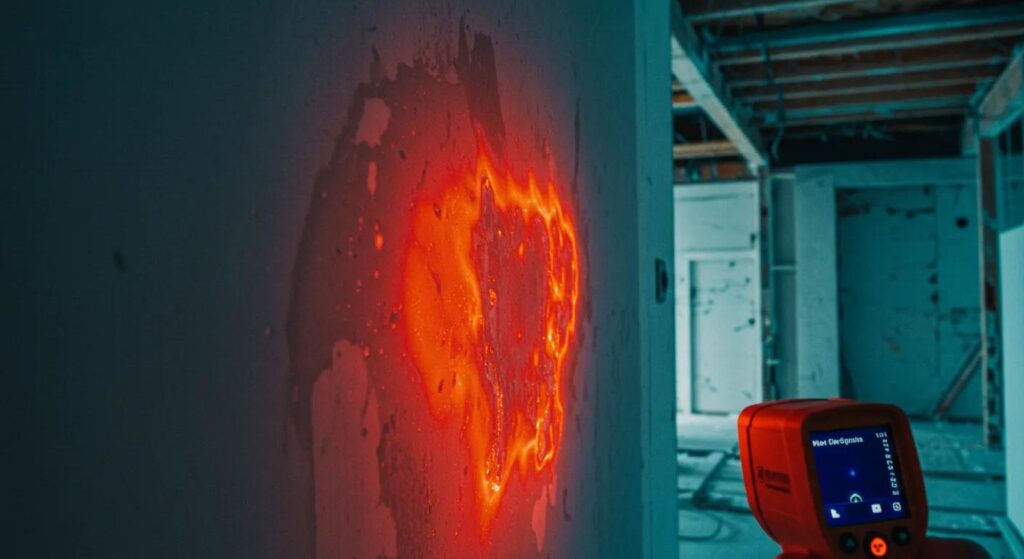
Examples of common red flags include water damage, mold growth, outdated electrical systems, and foundation cracks. Buyers should pay close attention to these indicators and consult with their inspector for further evaluation and potential remediation strategies.
Benefits of Hiring a Professional Home Inspector
Hiring a professional home inspector provides numerous advantages for home buyers. These experts possess the knowledge and experience necessary to uncover hidden issues that may not be apparent to an untrained eye.
A professional inspector not only identifies existing problems but also offers insights on maintenance and safety standards. Their detailed report can empower buyers to negotiate repairs or adjust their offers, ensuring they make a sound investment in their new home.
Preparing for Your Home Inspection
Preparation is key to a successful home inspection. Homeowners and buyers should take proactive steps to ensure the inspection process runs smoothly and efficiently.
Before the inspection, it is advisable to clear access to critical areas such as the attic, basement, and utility rooms. Additionally, homeowners should address minor repairs and ensure utilities are operational to facilitate a comprehensive evaluation by the inspector.
Understanding the Home Inspection Process
The home inspection process is a critical step in the home buying journey. It involves a thorough examination of a property's condition, allowing potential buyers to identify issues before making a purchase decision.
During a home inspection, a qualified inspector evaluates various aspects of the property, including structural integrity, electrical systems, plumbing, and roofing. This comprehensive assessment helps buyers make informed choices, potentially saving them from costly repairs in the future.
Common Red Flags During Home Inspections
Identifying red flags during a home inspection can save buyers from making a poor investment. These warning signs often indicate underlying issues that may require significant repairs or pose safety hazards.
Examples of common red flags include water damage, mold growth, outdated electrical systems, and foundation cracks. Buyers should pay close attention to these indicators and consult with their inspector for further evaluation and potential remediation strategies.
Benefits of Hiring a Professional Home Inspector
Hiring a professional home inspector provides numerous advantages for home buyers. These experts possess the knowledge and experience necessary to uncover hidden issues that may not be apparent to an untrained eye.
A professional inspector not only identifies existing problems but also offers insights on maintenance and safety standards. Their detailed report can empower buyers to negotiate repairs or adjust their offers, ensuring they make a sound investment in their new home.
Preparing for Your Home Inspection
Preparation is key to a successful home inspection. Homeowners and buyers should take proactive steps to ensure the inspection process runs smoothly and efficiently.
Before the inspection, it is advisable to clear access to critical areas such as the attic, basement, and utility rooms. Additionally, homeowners should address minor repairs and ensure utilities are operational to facilitate a comprehensive evaluation by the inspector.