Understanding the Importance of 4 Point Inspections
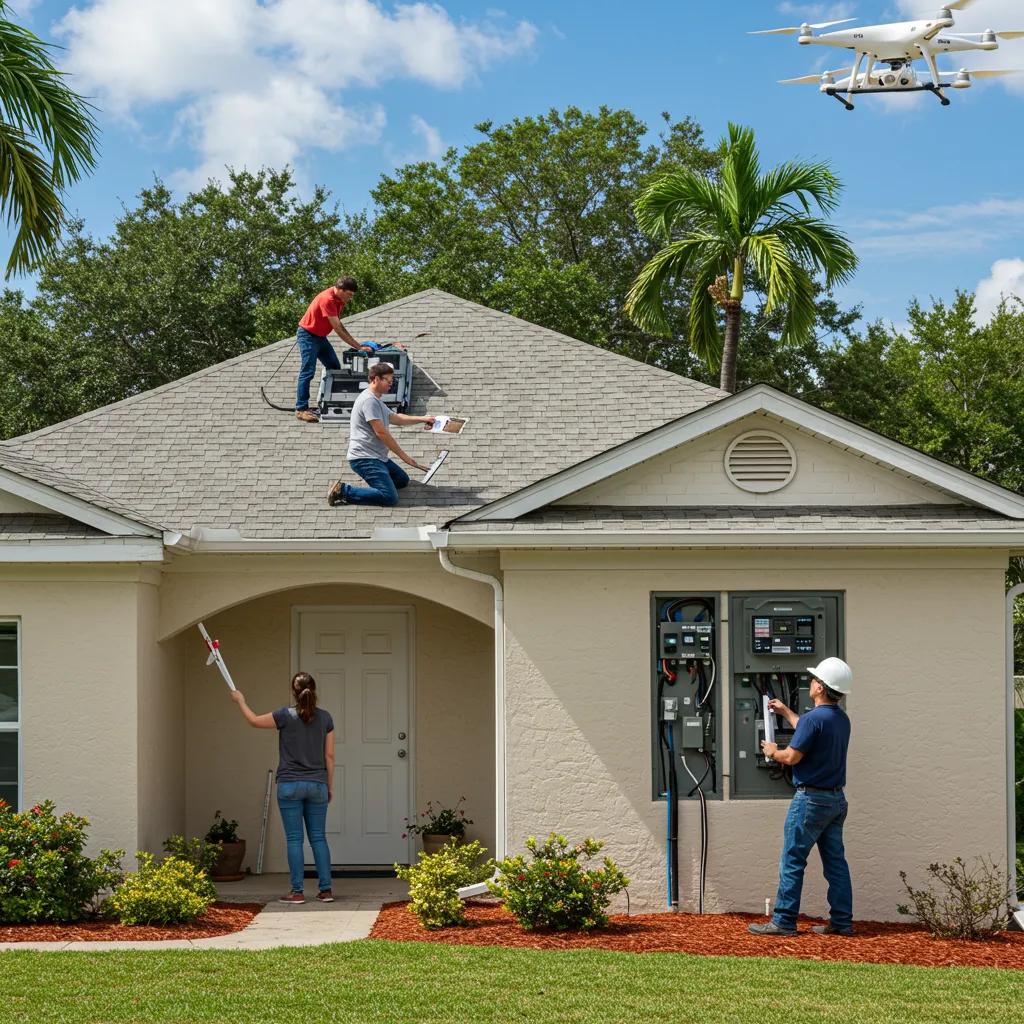
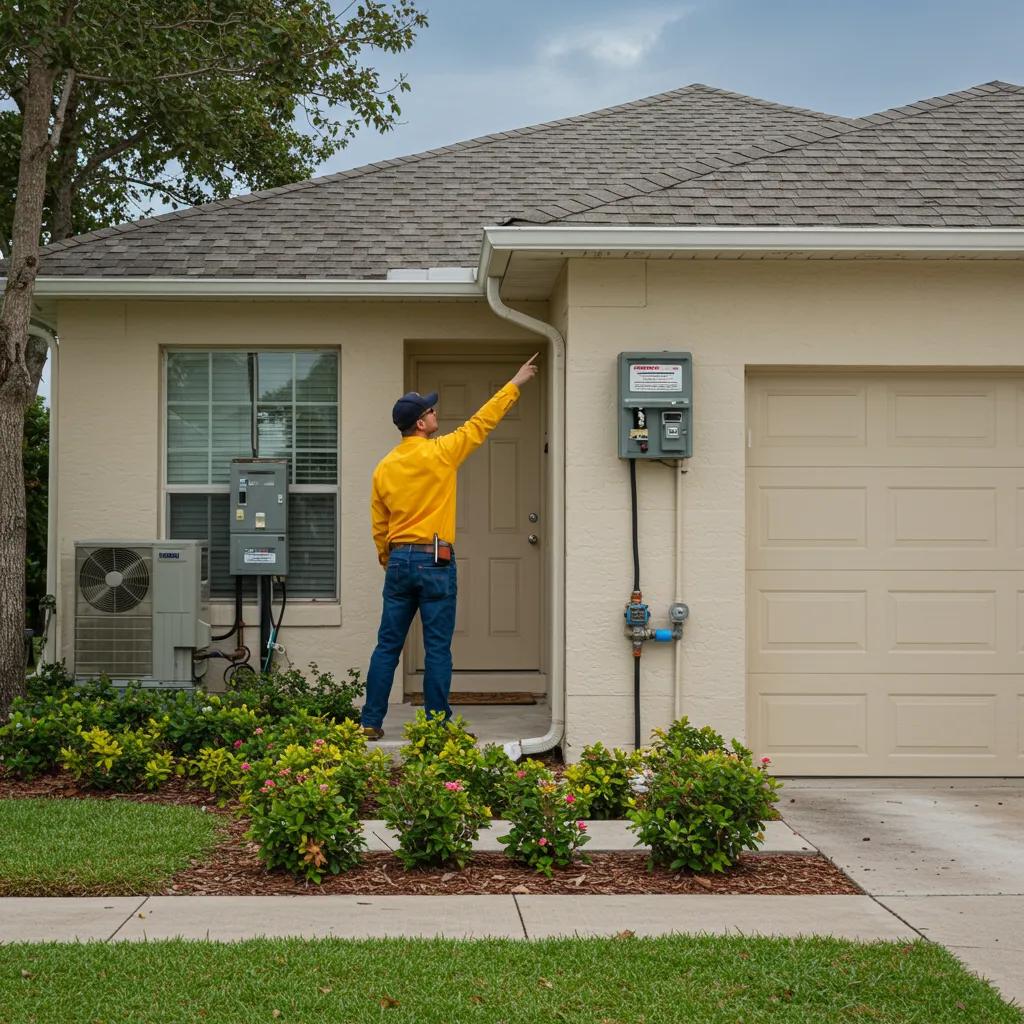
4 Point Inspections play a crucial role in the home insurance landscape, especially for older homes. These inspections assess four critical areas: the roof, electrical system, plumbing, and HVAC system, providing insurers with the necessary information to determine coverage eligibility.
For homeowners, understanding the significance of these inspections can lead to better insurance rates and coverage options. For instance, a well-documented 4 Point Inspection can demonstrate to insurers that a home is well-maintained, potentially lowering premiums and ensuring compliance with insurance requirements.
Common Issues Found During 4 Point Inspections
During a 4 Point Inspection, several common issues may arise that can affect a homeowner's insurance policy. These include outdated electrical systems, plumbing leaks, and roof damage, which can pose safety hazards and increase insurance risks.
Addressing these issues proactively can save homeowners from costly repairs and insurance complications. For example, replacing an old roof can not only improve a home's safety but also enhance its market value, making it a wise investment for homeowners looking to secure better insurance terms.
Preparing for Your 4 Point Inspection
Preparation is key to ensuring a smooth 4 Point Inspection process. Homeowners should familiarize themselves with what inspectors will evaluate and make necessary repairs or adjustments beforehand to avoid complications during the inspection.
Simple steps like clearing access to the electrical panel and ensuring plumbing fixtures are functional can facilitate a more efficient inspection. Homeowners who take these preparatory measures often find the inspection process less stressful and more beneficial.
How 4 Point Inspections Impact Home Insurance Premiums
The results of a 4 Point Inspection can significantly influence home insurance premiums. Insurers often use the findings to assess risk levels, which directly affects the cost of coverage for homeowners.
For example, homes that pass inspections with minimal issues may qualify for lower premiums, while those with significant concerns might face higher rates or even denial of coverage. Understanding this relationship can motivate homeowners to maintain their properties effectively, ensuring they get the best insurance rates available.
Understanding the Importance of 4 Point Inspections
4 Point Inspections play a crucial role in the home insurance landscape, especially for older homes. These inspections assess four critical areas: the roof, electrical system, plumbing, and HVAC system, providing insurers with the necessary information to determine coverage eligibility.
For homeowners, understanding the significance of these inspections can lead to better insurance rates and coverage options. For instance, a well-documented 4 Point Inspection can demonstrate to insurers that a home is well-maintained, potentially lowering premiums and ensuring compliance with insurance requirements.
Common Issues Found During 4 Point Inspections
During a 4 Point Inspection, several common issues may arise that can affect a homeowner's insurance policy. These include outdated electrical systems, plumbing leaks, and roof damage, which can pose safety hazards and increase insurance risks.
Addressing these issues proactively can save homeowners from costly repairs and insurance complications. For example, replacing an old roof can not only improve a home's safety but also enhance its market value, making it a wise investment for homeowners looking to secure better insurance terms.
Preparing for Your 4 Point Inspection
Preparation is key to ensuring a smooth 4 Point Inspection process. Homeowners should familiarize themselves with what inspectors will evaluate and make necessary repairs or adjustments beforehand to avoid complications during the inspection.
Simple steps like clearing access to the electrical panel and ensuring plumbing fixtures are functional can facilitate a more efficient inspection. Homeowners who take these preparatory measures often find the inspection process less stressful and more beneficial.
How 4 Point Inspections Impact Home Insurance Premiums
The results of a 4 Point Inspection can significantly influence home insurance premiums. Insurers often use the findings to assess risk levels, which directly affects the cost of coverage for homeowners.
For example, homes that pass inspections with minimal issues may qualify for lower premiums, while those with significant concerns might face higher rates or even denial of coverage. Understanding this relationship can motivate homeowners to maintain their properties effectively, ensuring they get the best insurance rates available.