
5 Key Steps for Homeowner Inspections Everyone Should Know
Ensure a smooth home buying process with these 5 key steps for homeowner inspections. Learn about costs and checklists to simplify your inspection experience!
Ensure a smooth home buying process with these 5 key steps for homeowner inspections. Learn about costs and checklists to simplify your inspection experience!
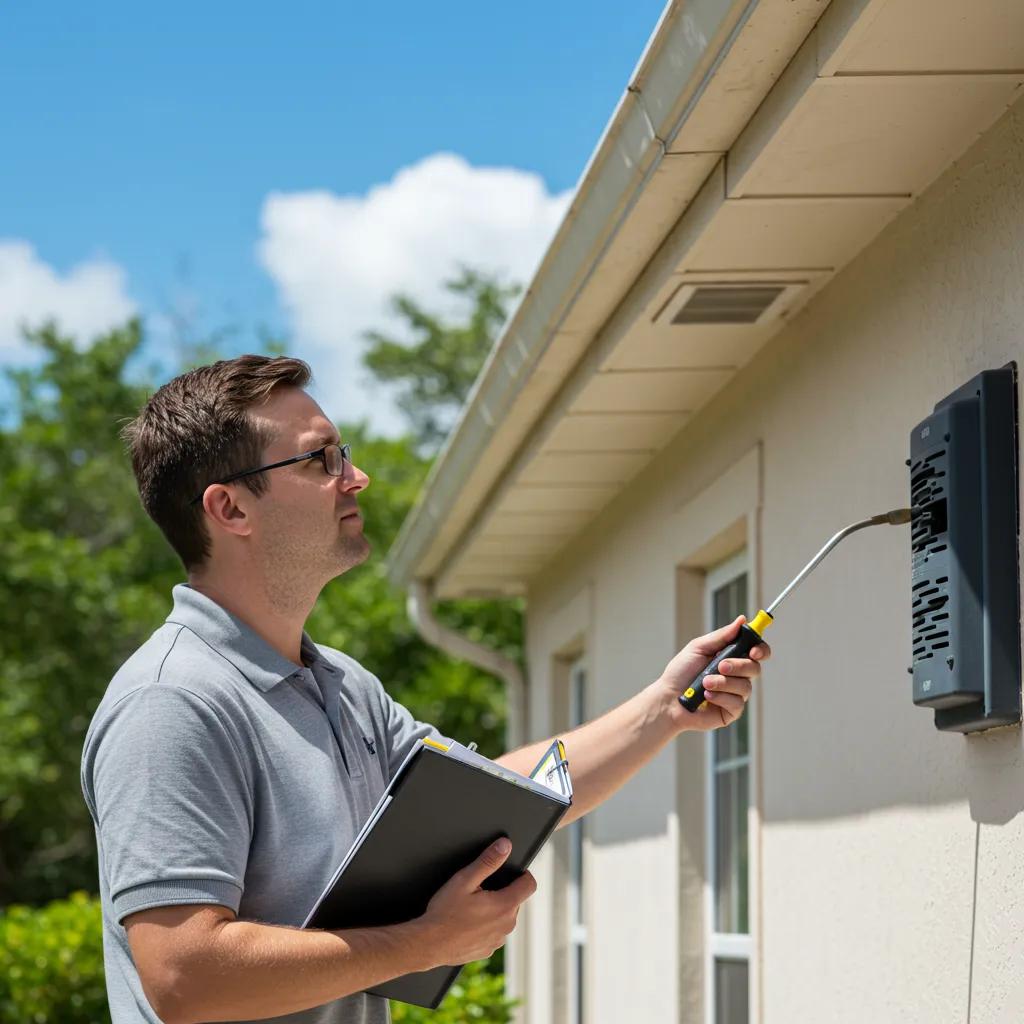
Why Pre-Listing Inspections Are a Game Changer for Florida Home Sellers and Real Estate Agents By Fred Rodrigues, Certified Master
A pre-listing inspection is a thorough examination of a property's condition conducted before it is put on the market. This process helps sellers identify potential issues that could deter buyers, allowing them to address these concerns proactively.
By investing in a pre-listing inspection, sellers can gain valuable insights into their property's strengths and weaknesses. For instance, a report may highlight necessary repairs or maintenance that could enhance the home's appeal, ultimately leading to a smoother transaction and potentially higher selling price.
Pre-listing inspections offer numerous advantages for home sellers, including increased transparency and trust with potential buyers. By providing a clear picture of the property's condition, sellers can alleviate buyer concerns and reduce the likelihood of negotiations falling through.
Additionally, homes that have undergone pre-listing inspections often sell faster. A study by the National Association of Realtors indicates that properties with inspection reports available to buyers tend to attract more interest and can command higher offers, making it a strategic move for sellers looking to maximize their returns.
Real estate agents can leverage pre-listing inspections to enhance their marketing strategies and build credibility with clients. By recommending inspections, agents can position themselves as knowledgeable professionals who prioritize their clients' interests, ultimately leading to stronger client relationships.
Moreover, having a pre-listing inspection report can help agents streamline the selling process. They can use the report to address potential objections from buyers upfront, facilitating smoother negotiations and reducing the time a property spends on the market.
Selecting a qualified home inspector is crucial for ensuring a thorough and accurate pre-listing inspection. Sellers should look for inspectors who are certified, experienced, and have positive reviews from previous clients to guarantee a reliable assessment of their property.
It's also beneficial to ask prospective inspectors about their inspection process and what specific areas they will evaluate. A comprehensive inspection should include structural components, electrical systems, plumbing, and more, ensuring that sellers are fully informed about their property's condition before listing it for sale.
A pre-listing inspection is a thorough examination of a property's condition conducted before it is put on the market. This process helps sellers identify potential issues that could deter buyers, allowing them to address these concerns proactively.
By investing in a pre-listing inspection, sellers can gain valuable insights into their property's strengths and weaknesses. For instance, a report may highlight necessary repairs or maintenance that could enhance the home's appeal, ultimately leading to a smoother transaction and potentially higher selling price.
Pre-listing inspections offer numerous advantages for home sellers, including increased transparency and trust with potential buyers. By providing a clear picture of the property's condition, sellers can alleviate buyer concerns and reduce the likelihood of negotiations falling through.
Additionally, homes that have undergone pre-listing inspections often sell faster. A study by the National Association of Realtors indicates that properties with inspection reports available to buyers tend to attract more interest and can command higher offers, making it a strategic move for sellers looking to maximize their returns.
Real estate agents can leverage pre-listing inspections to enhance their marketing strategies and build credibility with clients. By recommending inspections, agents can position themselves as knowledgeable professionals who prioritize their clients' interests, ultimately leading to stronger client relationships.
Moreover, having a pre-listing inspection report can help agents streamline the selling process. They can use the report to address potential objections from buyers upfront, facilitating smoother negotiations and reducing the time a property spends on the market.
Selecting a qualified home inspector is crucial for ensuring a thorough and accurate pre-listing inspection. Sellers should look for inspectors who are certified, experienced, and have positive reviews from previous clients to guarantee a reliable assessment of their property.
It's also beneficial to ask prospective inspectors about their inspection process and what specific areas they will evaluate. A comprehensive inspection should include structural components, electrical systems, plumbing, and more, ensuring that sellers are fully informed about their property's condition before listing it for sale.