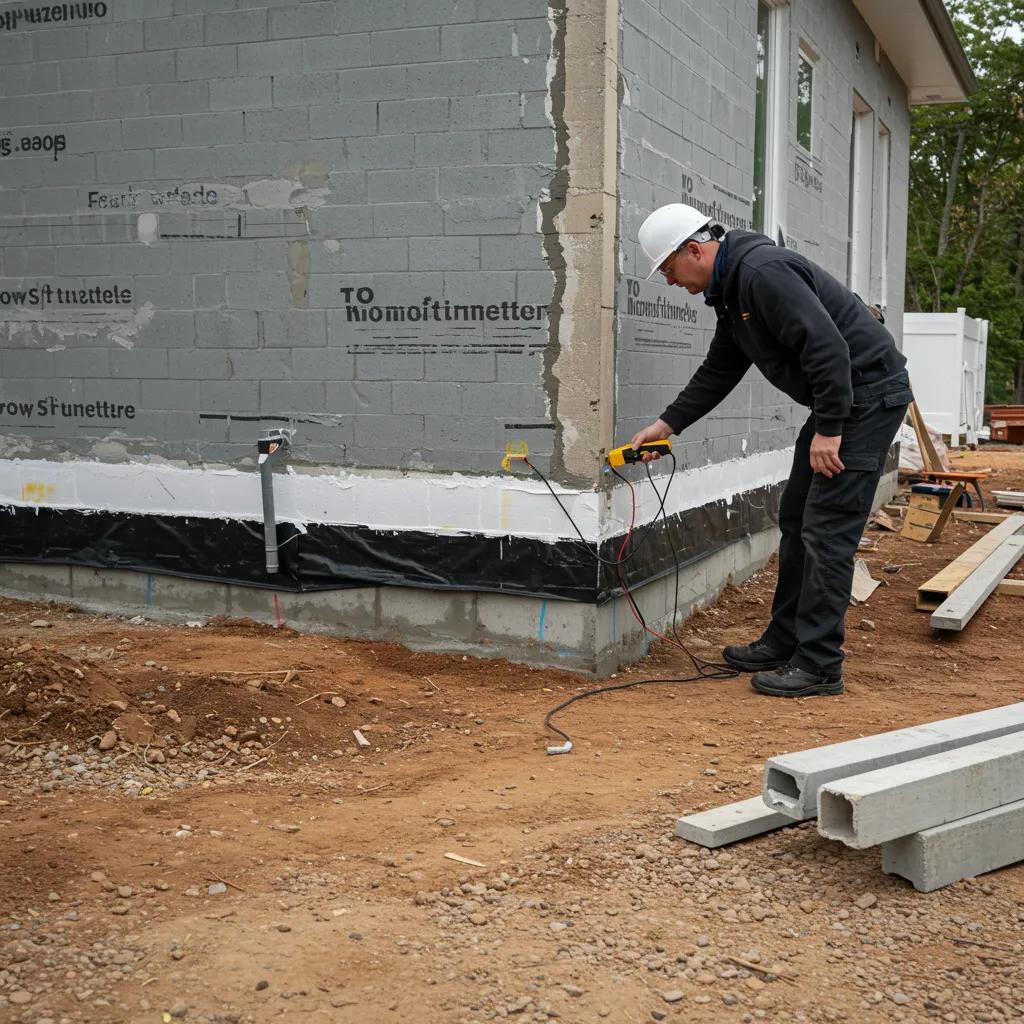
Spot Hidden Flaws: Essential Guide to New Construction Inspections
By Fred Rodrigues, Certified Master Inspector with thousands of new construction inspections done in Florida
A new construction inspection is your best defense against hidden problems in a brand-new home. Even pristine new builds often conceal construction shortcuts, material flaws, or climate-related issues that can compromise safety, performance, and future resale value. This guide reveals how expert inspectors pinpoint common new construction challenges—from foundation and roofing to plumbing, electrical, HVAC, and insulation issues—using cutting-edge tools like moisture meters, infrared imaging, and drone surveys. We’ll also cover the critical role of pre-drywall inspections and actionable steps for leveraging inspection reports during negotiations and warranty claims to protect your significant investment.
What Are the Most Common New Construction Issues You Need to Know About?
New construction inspections frequently uncover defects in structural systems, the building envelope, and installed systems due to rushed schedules, coordination gaps, or environmental stressors. Early detection significantly reduces repair costs and preserves warranty leverage. Our inspectors use visual checks, infrared thermal imaging, moisture meters, and drone roof imaging to identify urgent issues impacting safety, durability, and long-term costs.
The top issues we consistently find include:
- Foundation cracks or settling: Active settling signals serious compaction problems.
- Improper site drainage: Leads to water pooling and foundation moisture.
- Roof flashing and shingle errors: Creates pathways for water intrusion.
- Plumbing leaks and poor soldering: Expose joint leaks or improper pipe slopes.
- Loose or incorrect electrical connections: Pose significant safety hazards.
- HVAC duct leakage and wrong equipment sizing: Result in uneven comfort and wasted energy.
- Insulation gaps and compressed batts: Drastically reduce energy performance.
- Window/door flashing and sealant failures: Leading causes of water stains and mold risk.
- Siding fastening and trim gaps: Invites insect ingress and moisture penetration.
- Framing errors and missing fire blocking: Compromise structural integrity and fire safety.
Our inspectors combine visual examination with advanced tools like moisture meters, infrared cameras, and drone imaging to detect these issues, prioritizing urgent conditions like active leaks, electrical hazards, or structural movement.
Which Foundation Problems Are We Frequently Finding in New Builds?
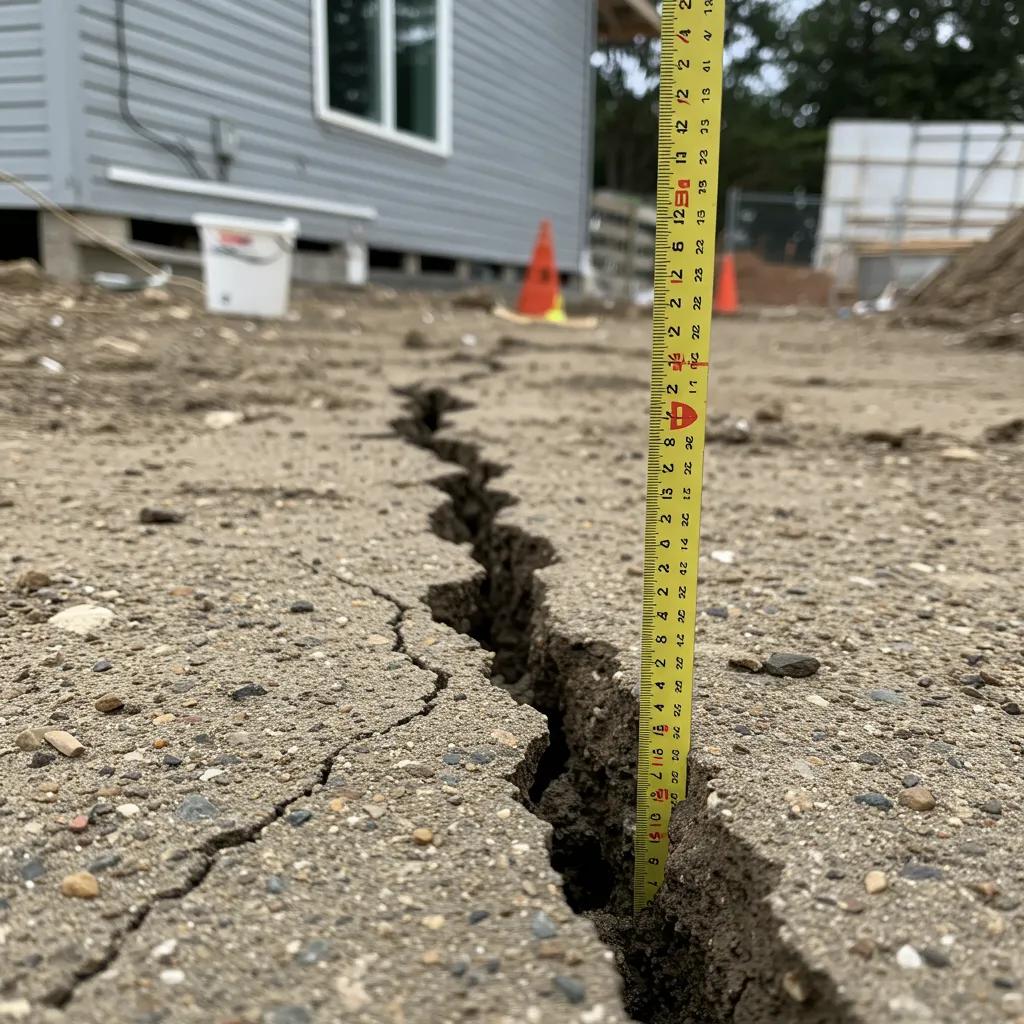
New construction foundation issues often arise from inadequate soil compaction, poor drainage, or improper concrete curing, leading to cracking or settling. Our inspectors differentiate cosmetic shrinkage cracks from structural movement by mapping cracks, taking moisture readings, and observing grading. Active settlement requires structural engineer evaluation and immediate remediation. Identifying these problems pre-closing provides critical leverage for corrective action, preventing costly future repairs and warranty disputes.
How Do Roofing Defects Impact Your New Construction Home?
Roofing defects like improper flashing, incorrect shingle attachment, or inadequate ventilation significantly increase the risk of water intrusion and attic moisture. Our inspectors use accessible walks, attic examinations, and drones to evaluate slopes and penetrations. Infrared imaging reveals hidden wet sheathing or insulation. Unaddressed, these defects cause rot, mold, and structural decay, leading to expensive repairs and potential warranty voidance. Early detection allows for targeted repairs before interior damage occurs.
How Can Plumbing and Electrical Problems Affect Your New Home’s Safety and Value?
Plumbing and electrical defects in new homes jeopardize safety and lower property value through water damage, fire risk, or repeated service calls. Plumbing leaks cause mold and deterioration, while improper electrical work increases shock and fire risk. Our inspections use pressure tests, camera inspections, panel inspections, and receptacle testing to detect these issues. Addressing defects pre-closing reduces safety risks, stabilizes maintenance costs, and preserves resale value.
Common plumbing and electrical defects and their critical impacts:
- Plumbing leaks and poor slope: Causes water damage, mold growth, and expensive finish replacement.
- Incorrect venting or trapped drains: Leads to slow drainage, odors, and code violations.
- Loose or soldered joint failures: Results in concealed leaks and extensive water damage.
- Improper wiring and missing protective devices: Significantly increases fire risk and can cause inspection signoffs to fail.
Active leaks and missing ground fault protection demand immediate correction. Our reports, with photographic evidence and test results, provide a clear negotiation path for agents to ensure warranty repairs.
What Plumbing Defects Are Typical in New Construction Inspections?
Typical plumbing defects include leaking joints, improper waste line slope causing backups, incomplete insulation leading to freeze risk, and incorrect venting. Our inspectors use pressure tests, camera scopes, and visual checks to pinpoint dampness and improper installations. Documentation includes photos and camera footage. Buyers should prioritize leaks and venting faults for immediate repair, meticulously documenting all communications for warranty claims. Documented repairs pre-closing reduce hidden water damage and costly disputes.
Which Electrical Hazards Are Common in New Build Homes?
Common electrical hazards include loose connections in panels, overloaded circuits, missing AFCIs/GFCIs, and poorly secured electrical boxes. Our inspectors test outlets for polarity, grounding, and AFCI/GFCI operation, and visually inspect panels. Immediate remediation is required for open grounds, exposed conductors, or overloaded circuits to prevent shock and fire. Our prioritized reporting empowers buyers to request licensed electrician repairs under warranty, documenting crucial safety improvements.
Why Are HVAC and Insulation Flaws Critical in New Construction Inspections?
HVAC and insulation flaws undermine comfort, increase energy bills, and degrade indoor air quality. Since these systems are often concealed, early inspection is essential to catch defects like improper equipment sizing, poorly sealed ducts, or insulation gaps that cause uneven temperatures and higher operational costs. Our inspectors evaluate HVAC by observing startup, measuring airflow, checking ductwork, and using infrared imaging for hidden insulation voids. Identifying these problems pre-closing allows for crucial corrections, improving performance and reducing long-term maintenance costs.
How Do HVAC Installation Errors Affect Your New Home’s Performance?
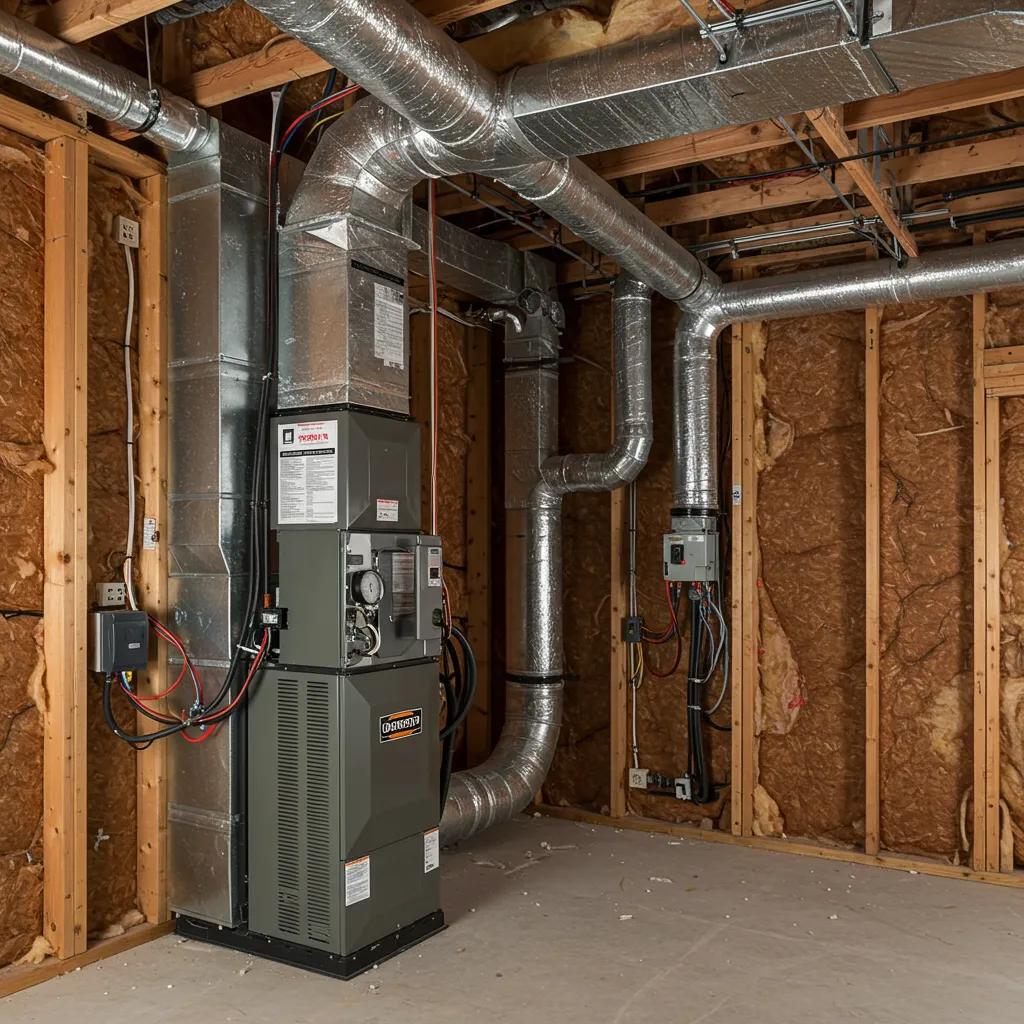
HVAC installation errors, including incorrect equipment sizing, leaky ductwork, or improper refrigerant charge, lead to uneven temperatures, high energy use, and premature system failure. Our inspectors diagnose these through system startup observations, airflow checks, and static pressure measurements. Poor duct sealing, for instance, drastically reduces efficiency. Correcting these errors pre-closing preserves warranties and prevents costly retrofits, ensuring optimal comfort and lower operating expenses.
What Insulation Problems Should You Watch For in New Homes?
New homes often have insulation problems like missing insulation, compressed batts, gaps at framing, or incorrect R-value. Our inspectors use visual inspections and infrared thermal imaging to reveal hidden cold spots and thermal bridging. Documenting insulation coverage and R-value compliance is crucial for builder remediation. Addressing insulation issues pre-closing significantly improves comfort and lowers energy costs, making it a cost-effective investment.
What Exterior and Drainage Issues Commonly Appear in New Construction Inspections?
Exterior and site drainage issues are common sources of costly damage in new homes, impacting how water moves around the structure. Improper grading, insufficient gutters, and negative slopes concentrate water against the building, increasing risks of foundation moisture, mold, and exterior deterioration. Our inspectors evaluate site grading, downspout placement, and flashing/sealants around windows, doors, and siding. Early detection prevents erosion, reduces hydrostatic pressure, and limits expensive interior moisture intrusion.
How Does Improper Drainage Cause Damage in New Builds?
Improper drainage, like negative grading or downspouts too close to the foundation, causes water pooling and elevated soil moisture. This can lead to foundation settlement, hydrostatic pressure, and root intrusion. Our inspectors assess grading, downspout locations, and signs of erosion or saturated soils. Documenting these problems during inspection helps buyers secure builder remediation pre-closing, preserving warranty options and long-term foundation health.
What Are Typical Window, Door, and Siding Defects in New Homes?
Typical defects around windows, doors, and siding include out-of-square frames, inadequate flashing or sealant allowing water intrusion, gaps where trim meets siding, and improper fastener installation. Our inspectors perform visual operation checks, water testing, and attic/soffit inspections. Early detection and remediation are crucial for maintaining the building envelope’s integrity, preventing mold, rot, and expensive finish replacement costs.
How Does a Pre-Drywall Inspection Help You Prevent Costly New Construction Defects?
A pre-drywall inspection, conducted after framing and rough-ins but before insulation and drywall, verifies correct installation of structural, plumbing, electrical, and HVAC work. This critical timing allows detection of framing errors, incorrect routing, and missing fire-blocking—issues costly to fix later. Benefits include fewer concealed defects, clear punch lists for builders, and stronger warranty documentation. It provides significant leverage to require corrections, reducing post-closing surprises and expensive repairs.
Pre-drywall inspections typically assess:
- Structural framing alignment and fastening
- Electrical rough-in locations and secure box support
- Plumbing rough-in slope and protection
- HVAC duct routing and clearances
- Essential fire-blocking and bracing
These checks prevent concealed mistakes from becoming expensive repairs, creating a clear punch list for builders to correct before drywall, improving warranty outcomes.
What Key Issues Are Identified During Pre-Drywall Inspections?
Pre-drywall inspections commonly uncover framing errors (misaligned studs, missing blocking), plumbing routing conflicts, unprotected drain lines, and HVAC duct routing issues. Our inspectors document these with photos and notes, distinguishing code concerns from best-practice corrections. Since corrections are easier before drywall, builders can address findings with minimal disruption, and documented corrections become vital for warranty tracking. Buyers benefit from immediate remediation and reduced long-term risk.
How Can Early Inspections Empower Buyers and Agents?
Early inspections provide buyers and agents leverage to create punch lists, prioritize safety corrections, and set clear expectations for builder timelines and warranty. Agents use detailed documentation to communicate with builders and protect clients from unexpected costs. Buyers gain time for specialist estimates. A concise, prioritized punch list simplifies negotiations and reduces disputed workmanship. For agents, recommending pre-drywall inspections demonstrates due diligence and prevents last-minute surprises.
How Can New Construction Buyers and Real Estate Agents Use Inspection Reports to Avoid Pitfalls?
Inspection reports are valuable when used strategically: prioritize safety and structural issues, obtain specialist estimates, maintain clear communication with the builder, and document responses for warranty claims. Our reports, with photos and diagnostic results, facilitate specific repair requests. Buyers and agents should use the inspection as a negotiation tool, presenting prioritized issues and requesting timely remediation and verification *before* closing.
Buyers should follow this immediate six-step plan after receiving an inspection report:
- Prioritize: Identify safety, structural, and moisture issues for immediate correction.
- Document: Compile inspection photos and test results into a concise summary for the builder.
- Get estimates: Obtain specialist estimates for major repairs to quantify costs.
- Communicate: Send the prioritized list and estimates to the builder with requested remediation timelines.
- Schedule verification: Arrange follow-up inspections to confirm repairs *before* closing.
- Track warranty: Record repair dates and communications for future claims.
This process transforms findings into actionable negotiation items, preserving warranty leverage through documented corrections. Specialist estimates quantify requests, leading to smoother outcomes.
What Steps Should Buyers Take After Identifying Defects?
After identifying defects, buyers should categorize them by urgency, gather cost estimates for major repairs, and present a concise remediation request to the builder with photographic evidence and timelines. For complex repairs, insist on licensed trades and thorough documentation. Consider an independent specialist to verify repairs, especially for foundation, electrical, or major plumbing issues, and preserve all correspondence for warranty enforcement. Prioritization and clear, documented requests lead to faster remediation and fewer unresolved issues post-closing.
How Do Real Estate Agents Benefit from Recommending New Construction Inspections?
Real estate agents recommending new construction inspections protect clients from post-closing disputes, reduce transaction risk, and enhance their reputation through due diligence. Agents can offer flexible inspection timing (pre-drywall, final, warranty-period) to coordinate with build milestones. A documented inspection process helps manage expectations and reduces last-minute surprises. For example, a pre-drywall inspection can prevent costly concealed issues like HVAC routing errors, ensuring a smooth closing and protecting client investments.
- Use inspection documentation proactively: Creates leverage for timely remediation and credit negotiation.
- Engage specialists when needed: Licensed trades accurately quantify and correct complex defects.
- Verify repairs before closing: Ensures remediation aligns with recommendations and preserves warranty.
Adopting these practices transforms inspection results into concrete protections for buyers and assurances for agents, reducing costly post-closing disputes and maximizing investment value.
Frequently Asked Questions
What is the role of a Certified Master Inspector in new construction inspections?
A Certified Master Inspector uses extensive training and advanced techniques like infrared imaging and moisture meters to identify hidden defects, ensuring the home meets safety standards and building codes. This provides buyers with peace of mind and a comprehensive understanding of the property’s condition.
What should buyers know about warranty claims related to inspection findings?
Buyers must meticulously document all inspection reports, photos, and communications with the builder. Prompt reporting of defects is essential to honor warranty claims. Understanding warranty terms helps buyers navigate the process effectively, ensuring necessary repairs without additional costs.
How do environmental factors influence new construction inspections?
Environmental factors like local climate and soil types significantly influence inspections. For instance, high humidity areas may have more moisture issues, while expansive clay soils can cause foundation challenges. Inspectors consider these to assess long-term durability and safety.
What are the advantages of conducting a final inspection before closing?
A final inspection verifies that all agreed-upon repairs are complete and the home is in satisfactory condition. It identifies last-minute issues, ensures systems function correctly, and confirms the property meets buyer expectations, safeguarding their investment.
What are the potential consequences of ignoring inspection findings?
Ignoring findings can lead to significant long-term consequences, including safety hazards, skyrocketing repair costs, and diminished property value. Unresolved issues like plumbing leaks or electrical hazards can cause extensive damage or fire risks. Buyers must take reports seriously to protect their investment.
What are the benefits of using advanced inspection techniques?
Advanced techniques like infrared imaging and drone surveys provide a more comprehensive and accurate assessment, revealing hidden issues such as moisture intrusion, insulation gaps, and structural defects that visual inspections might miss. This enables informed decisions and effective negotiation with builders.
Protect Your Investment with a Damngood Inspection
Understanding new construction pitfalls empowers buyers and agents to safeguard investments and ensure long-term satisfaction. Early identification of critical issues like foundation cracks or plumbing defects allows for negotiation of essential repairs and preservation of property value. Professional inspection services enhance safety and streamline the home-buying process, providing peace of mind.
Ready to Secure Your New Home?
Don’t leave your biggest investment to chance. Schedule a comprehensive new construction inspection with our Certified Master Inspectors today!