7 Proven Strategies for Affordable Florida Homeowners Insurance
Article Recap: Your Guide to Affordable Florida Home Insurance
Florida homeowners face unique challenges with insurance premiums. This guide, authored by Fred Rodrigues, a Certified Master Inspector with thousands of inspections done for homeowners to obtain insurance, provides seven practical tips to navigate the market and reduce costs. You’ll learn how to:
- Shop Around and Compare Quotes: Understand how to get apples-to-apples comparisons.
- Increase Your Deductible: Balance annual savings with potential out-of-pocket costs.
- Bundle Policies and Maximize Discounts: Leverage multi-policy options for savings.
- Improve Home Security: Qualify for credits through upgrades.
- Implement Wind Mitigation: Reduce hurricane vulnerability for significant discounts.
- Maintain a Good Credit Score: Influence your premium rates positively.
- Review and Update Coverage Regularly: Ensure your policy aligns with your needs and market changes.
Each section offers actionable advice, checklists, and tools to help you secure better rates and maintain robust coverage.
Florida homeowners face some of the highest and most volatile homeowners insurance premiums in the nation, driven by hurricane exposure, reinsurance costs, and local market dynamics. This guide delivers seven evidence-based, practical tips to lower your cost of house insurance Florida while keeping replacement-cost protection intact. You will learn how to shop and compare quotes, how deductible choices affect premiums, bundling strategies, security upgrades that qualify for credits, the mechanics and savings of wind mitigation, why credit matters, and when to review coverage. Each section provides actionable insights so you can act immediately and document savings. Read on for county-aware tactics, inspection checklists, and structured comparison tools designed to help you standardize quotes and make side-by-side decisions that reduce the total cost of ownership for Florida home insurance.
How Can You Shop Around and Compare Quotes for Florida Homeowners Insurance?

Shopping and comparing is the most direct way to find affordable Florida home insurance because carriers price risks differently. Collecting multiple standardized quotes reveals true cost differences and helps identify which carriers value wind mitigation, bundling, or claims history. Begin by requesting the same coverage limits, dwelling replacement-cost basis, and both standard and hurricane deductibles to create an apples-to-apples comparison.
When you prepare to gather quotes, follow this step plan:
- Request at least three full quotes with identical coverage limits and replacement-cost basis.
- Ask each insurer for separate hurricane/wind deductible language and triggering criteria.
- Compare endorsements, exclusions, and discounts line-by-line, and verify inspections or certificates supporting credits.
What Factors Should You Compare When Reviewing Florida Insurance Quotes?
When reviewing Florida quotes, compare dwelling coverage, deductible structure, and endorsements that affect hurricane or flood exposure. Confirm replacement-cost valuation, check sublimits, and examine hurricane/wind deductibles (percentage vs. flat, triggering conditions). Read exclusions and endorsements closely—flood, ordinance & law, sinkhole, and water backup endorsements alter coverage scope and should inform your net-cost comparison.
Use this template to standardize quotes from different insurers and focus on apples-to-apples comparison of core coverage and cost drivers.
Filling this table highlights where lower premiums may trade off higher hurricane deductibles or narrower coverage. Prioritize offers with equivalent coverage rather than lowest headline premium.
How Do Independent Agents and Online Tools Help in Comparing Florida Insurance?
Independent agents access multiple carriers and translate underwriting nuances, while online aggregators provide quick baseline pricing. Agents help identify niche carriers and explain endorsements; online tools reveal market ranges fast but may omit specialized discounts. Use online tools for initial price discovery and independent agents for tailored placement.
How Does Increasing Your Deductible Lower Your Florida Home Insurance Premium?
Increasing your standard or hurricane deductible shifts more risk to you and typically lowers your annual premium. In Florida, hurricane/wind deductibles are often a percentage of dwelling coverage. Raising a standard deductible (e.g., to $2,500 or $5,000) reduces premium on frequent, smaller claims, while increasing hurricane deductibles (e.g., from 1% to 2% or 3%) can yield larger premium reductions. Understanding this trade-off is essential.
What Are the Pros and Cons of Choosing a Higher Deductible in Florida?
A higher deductible delivers lower premiums and may reduce claim frequency, preserving a clean claims history. The main pro is consistent annual savings. Cons include increased out-of-pocket exposure for major events, especially with percentage-based hurricane deductibles. Evaluate your liquidity: if you can comfortably cover a large hurricane deductible, it may be efficient; otherwise, a lower deductible preserves affordability when disaster strikes.
How Much Can You Save by Adjusting Your Deductible?
Raising a standard deductible can save 10% to 25% of the premium. Increasing a hurricane deductible often yields larger reductions because it materially lowers catastrophic exposure for the insurer. Exact savings vary by county and insurer; use a quote table to recalculate net annual cost after adjusting deductibles to compare real-world savings against increased potential out-of-pocket loss.
What Are the Best Ways to Bundle Policies and Maximize Discounts in Florida?
Bundling multiple policies (commonly home and auto) often yields measurable discounts because insurers reward consolidated business. Bundles may also simplify claims handling and produce loyalty credits. Evaluate whether a bundled package offers net savings by requesting both a bundled quote and separate best-in-market policies, then compare total annual cost and coverage quality.
Which Insurance Policies Can You Bundle to Save on Florida Home Insurance?
Common bundle combinations include home + auto, home + umbrella liability, and homeowners with secondary structures. Home + auto is the most frequent discount-producing combination. Umbrella policies add liability protection and can occasionally reduce underlying premiums. Always confirm stacking rules and whether bundling affects available wind mitigation credits.
How Do Bundling Discounts Impact Your Overall Premium?
Bundling discounts typically reduce total premium by a single-digit to low-double-digit percentage. However, a 10% bundling credit may be less valuable if a specialized home insurer can beat the bundled home rate by 15%. Run a comparative worksheet to list bundled total cost versus best separate policies total cost. Bundling streamlines renewals but may reduce negotiating leverage, so re-shop periodically.
How Can Improving Home Security Help You Save on Florida Homeowners Insurance?
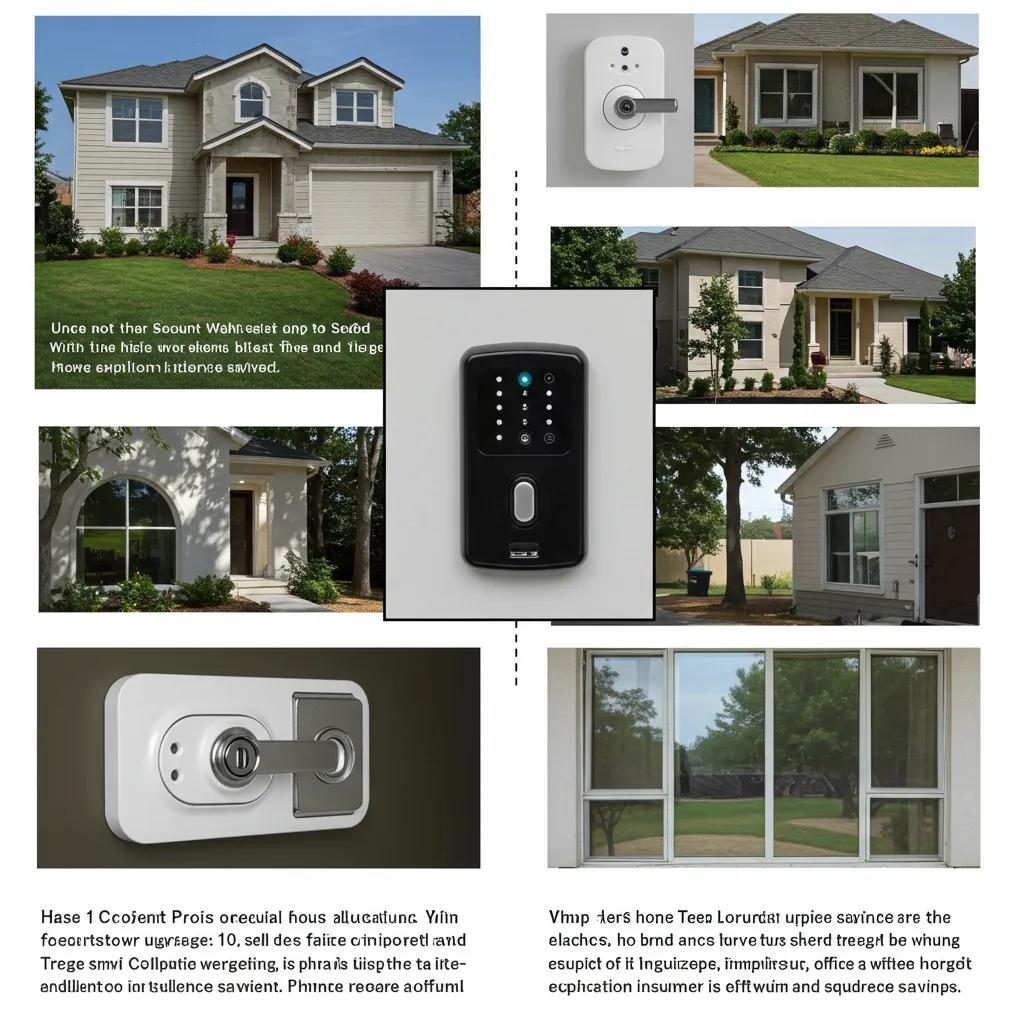
Home security upgrades reduce the probability and severity of theft, fire, and vandalism losses, translating into insurer credits and more stable premium trajectories. Insurers typically offer discounts for monitored burglar alarms, hard-wired smoke/CO detectors, deadbolts, and reinforced openings. Document installations with receipts and monitoring contracts, as insurers require proof to apply discounts.
What Home Security Features Qualify for Insurance Discounts in Florida?
Features commonly eligible for discounts include monitored burglary/fire alarms, wired smoke/CO detectors, impact-rated windows or hurricane shutters, and roof upgrades. Insurers usually require installation proof, monitoring agreements, or certification documents. Keep a packet of documentation to present at binding or renewal.
How Does Home Safety Reduce Insurance Risks and Costs?
Proactive home safety and maintenance reduce claim frequency, making the property more attractive to private-market insurers and mitigating rate increases. Consistent maintenance of roofing, plumbing, and electrical systems reduces the chance of water or fire claims. Fewer claims often translate into better renewal pricing and improved eligibility for carrier-specific discounts.
What Is Wind Mitigation and How Does It Reduce Florida Home Insurance Costs?
Wind mitigation refers to structural features and retrofits that reduce a home’s vulnerability to wind-related damage. Insurers in Florida routinely provide credits for verified features because they lower expected loss in hurricane events. Key elements include roof-to-wall connections, secondary water resistance, roof covering age/type, and protection for openings. A professional wind mitigation inspection documents these features, often producing significant savings on hurricane-related premium components.
What Are the Key Wind Mitigation Features That Lower Premiums?
Key features that reduce wind risk and commonly produce insurer credits include: roof deck attachment methods, roof covering age/type, secondary water resistance underlayment, reinforced roof-to-wall connections, and opening protections (impact glass/shutters). Insurers often provide incremental credits for feature combinations. Proper documentation via a licensed inspector’s report is required to capture these savings.
This table clarifies which wind mitigation features matter most and the approximate savings you might expect when insurers verify them.
Prioritize features with the best cost-to-savings ratio in your region—opening protection and roof attachment improvements often deliver the largest insurer credits—and obtain a certified wind mitigation inspection to document them.
How Do You Get a Wind Mitigation Inspection in Florida?
Hire a licensed home inspector, structural engineer, or certified mitigation inspector who completes the state-standardized inspection form. Expect a typical timeline of one to two weeks and a cost dependent on property size. Submit the report to each insurer quoting your policy to capture credits. Keep copies of credentials and photos, and plan any prioritized retrofits before renewal.
Why Is Maintaining a Good Credit Score Important for Affordable Florida Home Insurance?
Credit-based insurance scoring is widely used to predict the likelihood of claims. In Florida, a stronger credit profile can materially lower premiums because insurers statistically correlate credit behavior with future claim frequency. Improving your credit score reduces the rate tier you fall into and often yields consistent premium reductions. A poor credit profile can create additional rate pressure. Understanding how to improve credit helps homeowners qualify for better home insurance pricing.
How Does Your Credit Score Affect Florida Home Insurance Premiums?
Insurers use credit-based insurance scores as one input to set premiums because historical data links credit behavior to claim likelihood. A higher score typically moves a homeowner into a lower pricing tier and lowers premiums. Studies show substantial premium differentials between top and bottom credit tiers. Improving credit can be a cost-effective, non-structural way to reduce annual insurance expense.
What Steps Can You Take to Improve Your Credit Score for Better Insurance Rates?
Prioritize on-time payments, reduce revolving balances, correct reporting errors, and avoid multiple new credit inquiries in the months before shopping for insurance. Start by pulling reports from major bureaus, disputing inaccuracies, and creating a debt payoff plan. Maintain consistent payment history over six to twelve months to see material scoring improvements. Stabilize your profile before requesting quotes.
How Often Should You Review and Update Your Florida Homeowners Insurance Coverage?
An annual policy review—and immediate reviews after major life events—is recommended to ensure coverage matches current replacement cost, new possessions, and recent home improvements. Regular audits catch missed discounts, outdated dwelling limits, and necessary endorsements for hurricane, flood, or ordinance & law exposures. Create a simple annual workflow to compare current coverage to replacement-cost estimates, confirm applied discounts, and re-shop the market if premiums have shifted.
What Life Events and Changes Should Trigger a Policy Review?
Trigger events include major renovations or additions, acquiring high-value possessions, changes in occupancy or renting portions of the property, and post-storm damage or mitigation upgrades. For renovations, update replacement-cost estimates and ensure ordinance & law coverage is adequate. For new valuables, add scheduled personal property endorsements. Changes in occupancy often require specific endorsements. Acting promptly prevents underinsurance and reduces claim disputes.
How Can Regular Coverage Reviews Prevent Overpaying or Underinsuring?
Regular reviews prevent overpaying by identifying newly applicable discounts, correcting outdated coverage limits, and adjusting deductibles. They prevent underinsuring by aligning dwelling and content limits with rising construction costs and completed improvements. Use an annual checklist: verify dwelling replacement-cost estimate, confirm hurricane/wind deductible strategy, apply documented discounts, and re-evaluate flood exposure. Ask your agent for a line-by-line comparison and rationale for premium increases.
What Unique Florida Risks and Market Factors Affect Homeowners Insurance Costs?
Florida’s insurance market is shaped by natural hazard frequency—particularly hurricanes and flooding—along with reinsurance costs, construction inflation, litigation trends, and legislative reforms. Hurricanes concentrate large losses that drive up reinsurance prices, while flood risk often requires separate NFIP or private flood policies. Litigation and assignment-of-benefits activity historically impacted claim costs, prompting regulatory responses that have shifted market dynamics.
Florida Insurance Pricing: Climate Change, Adaptation, and Affordability
This paper examines the effects of climate change on insurance availability and pricing within Florida’s wind-related property insurance market. It highlights the interconnected roles of adaptation measures and a competitive reinsurance market in managing risk and maintaining insurance affordability in the face of increasing natural disasters. The analysis suggests that proactive strategies are essential to mitigate the economic impacts of hurricanes, indicating a trend in the rising costs of catastrophe-related insurance.
Insuring climate catastrophes in Florida: an analysis of insurance pricing and capacity under various scenarios of climate change and adaptation measures, 2020
How Do Hurricanes, Floods, and Sinkholes Influence Insurance Premiums in Florida?
Hurricanes increase both frequency and severity of large claims and often trigger percentage-based hurricane deductibles. Flood risk generally requires a separate policy. Sinkhole exposure is region-specific and may be excluded or available only with costly endorsements. Each hazard drives not only premium levels but also coverage availability and policy terms.
What Impact Have Recent Legislative Reforms Had on Florida Home Insurance Rates?
Recent legislative reforms since 2023 aimed at stabilizing the market have focused on reducing abuse in claims litigation, clarifying assignment-of-benefits rules, and encouraging private-market competition. These measures have contributed to incremental market stabilization and influenced carrier re-entry decisions. Homeowners should remain aware that legislative changes can alter underwriting and available discounts, so an annual review and active shopping remain prudent.
What Role Does Citizens Property Insurance Play in Florida’s Home Insurance Market?
Citizens Property Insurance serves as the insurer of last resort in Florida, providing coverage when homeowners cannot obtain acceptable private-market options. Its role stabilizes access to insurance but may come with different pricing structures and coverage characteristics. Homeowners typically consider Citizens when private carriers decline coverage or impose unaffordable terms. Citizens can be a temporary placement while seeking private-market alternatives.
When Should Florida Homeowners Consider Citizens Property Insurance?
Consider Citizens when you cannot secure private-market offers after reasonable market outreach, when private offers are unaffordable, or when a recent property loss or location-specific underwriting constraint limits private options. Citizens is suitable as a short-term solution while you document mitigation efforts or work with independent agents to access specialized carriers. Treat placement as a stepping-stone and continue to document improvements that increase eligibility for private carriers.
What Are Alternatives to Citizens Property Insurance for Affordable Coverage?
Alternatives include engaging independent agents, seeking specialized coastal or wind-only insurers, and improving property risk characteristics (e.g., wind mitigation, elevated utilities). Strategies include increasing deductibles, bundling policies, and documenting recent upgrades. Continue to re-shop the market at renewal and present verified mitigation reports, as a successful transition often hinges on documented risk reduction and persistence.
What Are the Most Common Florida Homeowners Insurance Discounts and How Can You Qualify?
Florida insurers commonly offer discounts for wind mitigation, multi-policy bundling, security devices, claims-free histories, senior status, and new-home construction or updated roofing. Qualifying requires documented proof such as inspection reports, monitoring contracts, and purchase receipts. Combining discounts yields the largest savings, but stacking rules vary by carrier. A systematic approach—list applicable discounts, gather documentation, apply at binding and renewal, and confirm in writing—ensures you capture every available reduction.
Prioritize discounts with the highest savings-to-cost ratio (wind mitigation and opening protection often top the list), document everything, and request written confirmation of applied credits at binding and renewal.
How Do Claims-Free, Senior, and New Home Discounts Work in Florida?
Claims-free discounts reward sustained periods without claims, usually over several years. Senior discounts apply based on age thresholds. New-home discounts reflect updated construction codes and newer roofs. Each discount has specific eligibility windows and documentation requirements that insurers will outline during quoting.
How Can You Combine Multiple Discounts to Maximize Savings?
To combine discounts effectively: list all potential credits, gather documentation, apply during quote collection, confirm stacking rules with the insurer in writing, and re-evaluate at each renewal. Not all discounts stack fully; some carriers cap total credits. Always calculate net premium after all applicable discounts. Maintain a folder of documentation and request an updated premium breakdown after adding any qualifying feature.
Research indicates that implementing multiple mitigation measures can lead to significant premium reductions, with some studies suggesting potential savings of up to 40% of the premium when all 10 measures are adopted.
Conclusion
Finding affordable homeowners insurance in Florida is achievable through strategic actions like comparing quotes, understanding deductibles, and leveraging discounts. By implementing these tips, homeowners can significantly reduce their premiums while ensuring adequate coverage against unique risks. Regularly reviewing your policy and making necessary adjustments can lead to long-term savings and peace of mind. Start exploring your options today to secure the best rates and coverage for your home.