Understanding the Home Inspection Process
The home inspection process is a critical step in real estate transactions, providing buyers with a comprehensive evaluation of a property's condition. It involves a thorough examination of various systems and components, including plumbing, electrical, roofing, and structural integrity, ensuring that potential buyers are fully informed before making a purchase.
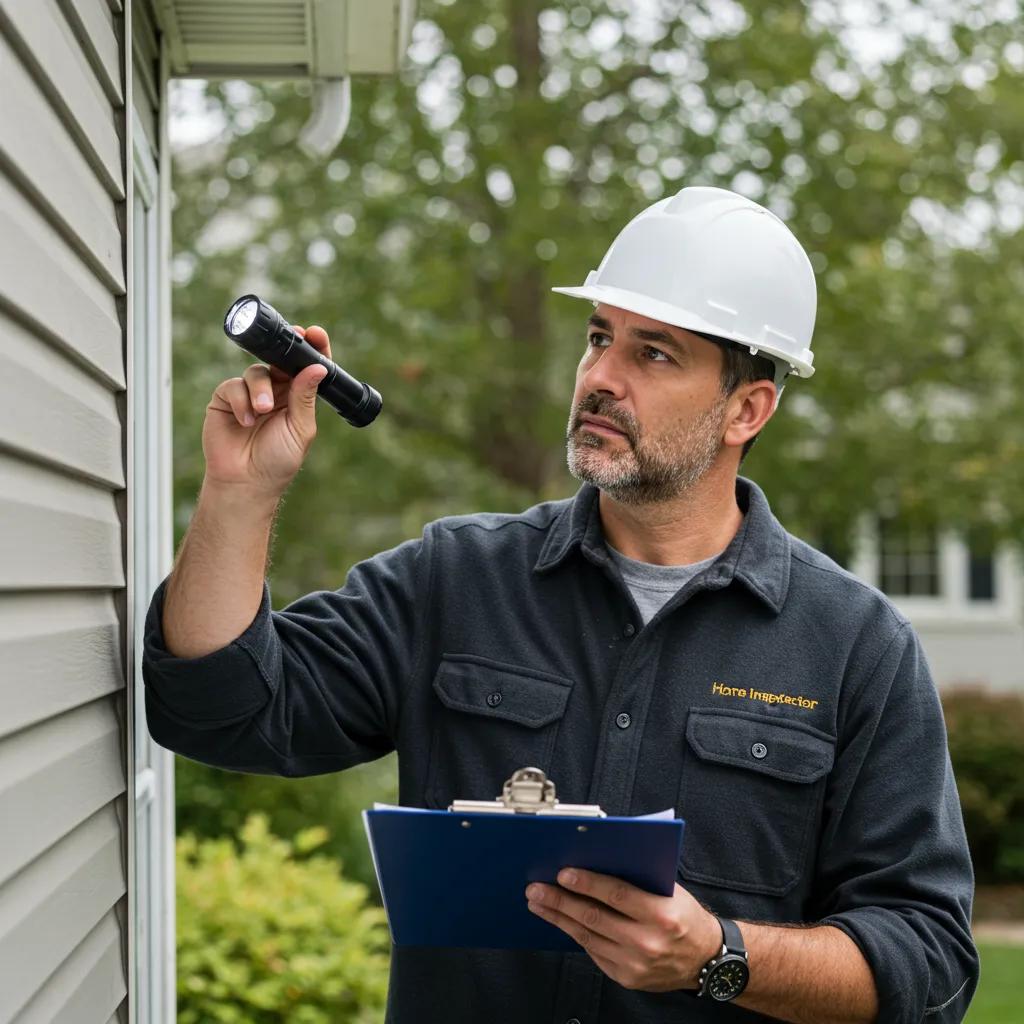
A certified home inspector, like Fred, utilizes a systematic approach to identify any existing issues, safety hazards, or maintenance needs. This process not only helps buyers negotiate repairs or price adjustments but also empowers them with knowledge about the property’s long-term upkeep, fostering confidence in their investment decisions.
Common Misconceptions About Home Inspections
Many homeowners and real estate agents hold misconceptions about home inspections, which can lead to misunderstandings and missed opportunities. One prevalent myth is that a home inspection is only necessary for older properties, while in reality, newer homes can also have hidden defects that need to be addressed.
Additionally, some believe that a home inspection guarantees that a property is free of issues. However, inspections are designed to uncover potential problems rather than provide an absolute assurance. Understanding these misconceptions can help buyers approach the inspection process with realistic expectations and a proactive mindset.
Benefits of Regular Home Maintenance Inspections
Regular home maintenance inspections play a vital role in preserving the value and safety of a property. These inspections allow homeowners to identify minor issues before they escalate into costly repairs, promoting a proactive approach to homeownership. By scheduling routine checks, homeowners can ensure that their property remains in excellent condition and compliant with safety standards.
Moreover, regular inspections can enhance the longevity of essential systems and components, such as HVAC units and plumbing. For instance, addressing small leaks promptly can prevent significant water damage and mold growth, ultimately saving homeowners time and money in the long run.
How to Choose the Right Home Inspector
Selecting a qualified home inspector is crucial for a successful inspection experience. Homeowners and real estate agents should look for inspectors with relevant certifications, extensive experience, and positive reviews from previous clients. It's beneficial to interview potential inspectors to gauge their knowledge and approach to the inspection process.
Additionally, understanding the inspector's reporting style can help ensure that the findings are communicated effectively. A good home inspector will provide a detailed report that outlines any issues found, along with recommendations for repairs or further evaluations, empowering clients to make informed decisions.
Understanding the Home Inspection Process
The home inspection process is a critical step in real estate transactions, providing buyers with a comprehensive evaluation of a property's condition. It involves a thorough examination of various systems and components, including plumbing, electrical, roofing, and structural integrity, ensuring that potential buyers are fully informed before making a purchase.
A certified home inspector, like Fred, utilizes a systematic approach to identify any existing issues, safety hazards, or maintenance needs. This process not only helps buyers negotiate repairs or price adjustments but also empowers them with knowledge about the property’s long-term upkeep, fostering confidence in their investment decisions.
Common Misconceptions About Home Inspections
Many homeowners and real estate agents hold misconceptions about home inspections, which can lead to misunderstandings and missed opportunities. One prevalent myth is that a home inspection is only necessary for older properties, while in reality, newer homes can also have hidden defects that need to be addressed.
Additionally, some believe that a home inspection guarantees that a property is free of issues. However, inspections are designed to uncover potential problems rather than provide an absolute assurance. Understanding these misconceptions can help buyers approach the inspection process with realistic expectations and a proactive mindset.
Benefits of Regular Home Maintenance Inspections
Regular home maintenance inspections play a vital role in preserving the value and safety of a property. These inspections allow homeowners to identify minor issues before they escalate into costly repairs, promoting a proactive approach to homeownership. By scheduling routine checks, homeowners can ensure that their property remains in excellent condition and compliant with safety standards.
Moreover, regular inspections can enhance the longevity of essential systems and components, such as HVAC units and plumbing. For instance, addressing small leaks promptly can prevent significant water damage and mold growth, ultimately saving homeowners time and money in the long run.
How to Choose the Right Home Inspector
Selecting a qualified home inspector is crucial for a successful inspection experience. Homeowners and real estate agents should look for inspectors with relevant certifications, extensive experience, and positive reviews from previous clients. It's beneficial to interview potential inspectors to gauge their knowledge and approach to the inspection process.
Additionally, understanding the inspector's reporting style can help ensure that the findings are communicated effectively. A good home inspector will provide a detailed report that outlines any issues found, along with recommendations for repairs or further evaluations, empowering clients to make informed decisions.