Understanding the Home Inspection Process
The home inspection process is a critical step for potential home buyers, as it provides an in-depth evaluation of a property's condition. This process typically involves a thorough examination of the home's structural integrity, systems, and safety features, allowing buyers to make informed decisions before finalizing their purchase.
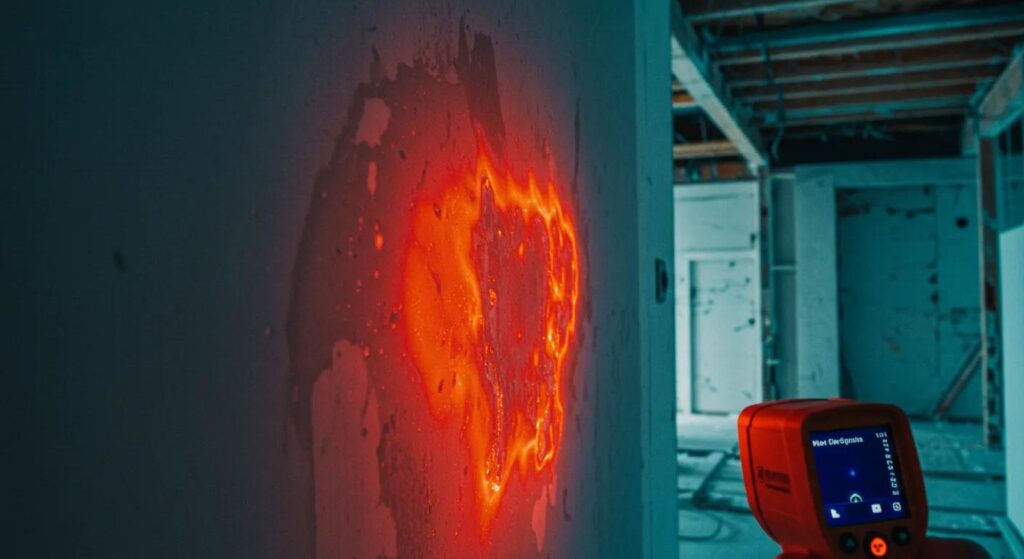
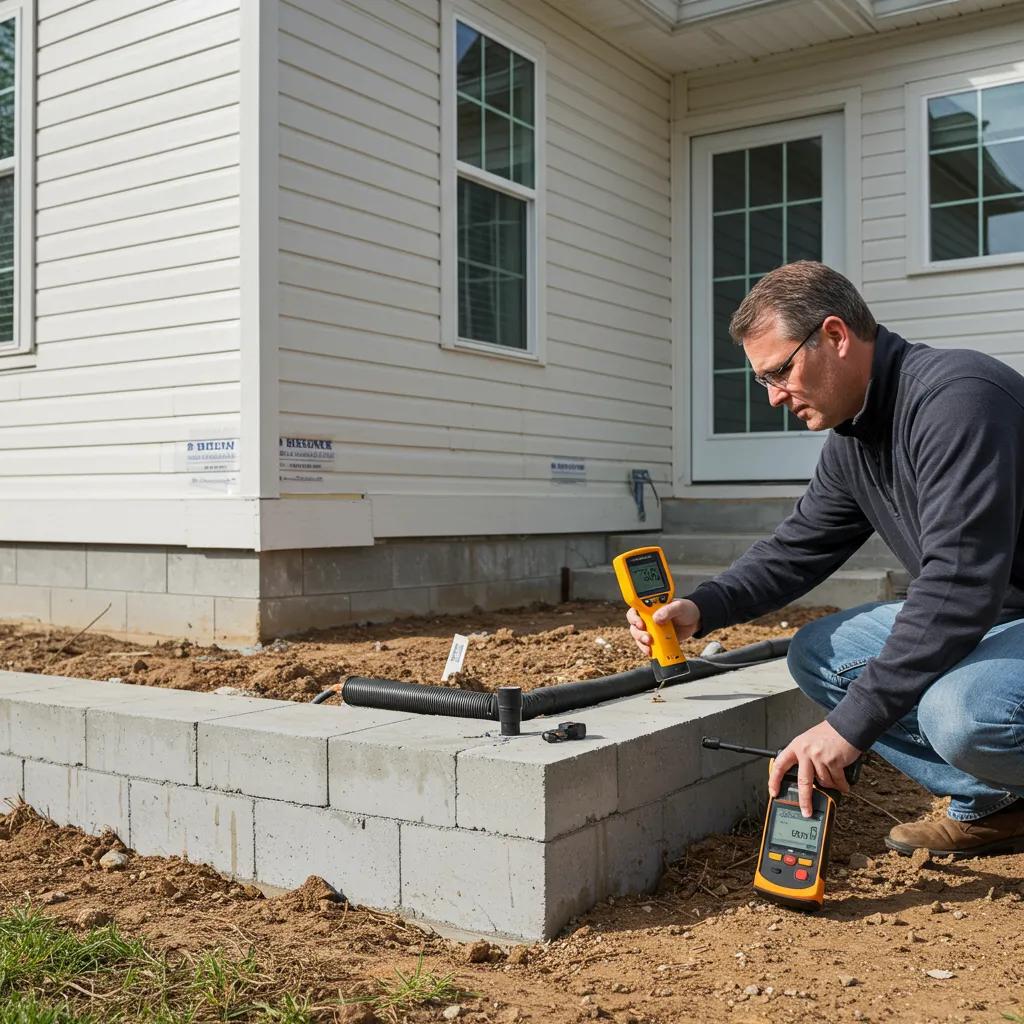
During a home inspection, various elements are assessed, including the roof, plumbing, electrical systems, and foundation. Inspectors look for issues such as water damage, mold, or structural defects, which can significantly impact the home's value and safety. Understanding this process helps buyers to know what to expect and how to address any findings effectively.
Importance of Pre-Purchase Home Inspections
Pre-purchase home inspections are essential for identifying potential problems before committing to a property. By uncovering hidden issues, buyers can negotiate repairs or price adjustments, which can save them substantial costs in the long run.
Common Issues Found in Home Inspections
Home inspections often reveal a variety of common issues that can affect a property's value and livability. These issues may include outdated electrical systems, roof leaks, and pest infestations, which are critical for buyers to be aware of before making a purchase.
Tips for Choosing a Reliable Home Inspector
Selecting a reliable home inspector is crucial for ensuring a thorough evaluation of a potential home. Buyers should seek inspectors with relevant certifications, extensive experience, and positive reviews from previous clients to ensure they receive a comprehensive inspection.
Understanding the Home Inspection Process
The home inspection process is a critical step for potential home buyers, as it provides an in-depth evaluation of a property's condition. This process typically involves a thorough examination of the home's structural integrity, systems, and safety features, allowing buyers to make informed decisions before finalizing their purchase.
During a home inspection, various elements are assessed, including the roof, plumbing, electrical systems, and foundation. Inspectors look for issues such as water damage, mold, or structural defects, which can significantly impact the home's value and safety. Understanding this process helps buyers to know what to expect and how to address any findings effectively.
Importance of Pre-Purchase Home Inspections
Pre-purchase home inspections are essential for identifying potential problems before committing to a property. By uncovering hidden issues, buyers can negotiate repairs or price adjustments, which can save them substantial costs in the long run.
Common Issues Found in Home Inspections
Home inspections often reveal a variety of common issues that can affect a property's value and livability. These issues may include outdated electrical systems, roof leaks, and pest infestations, which are critical for buyers to be aware of before making a purchase.
Tips for Choosing a Reliable Home Inspector
Selecting a reliable home inspector is crucial for ensuring a thorough evaluation of a potential home. Buyers should seek inspectors with relevant certifications, extensive experience, and positive reviews from previous clients to ensure they receive a comprehensive inspection.