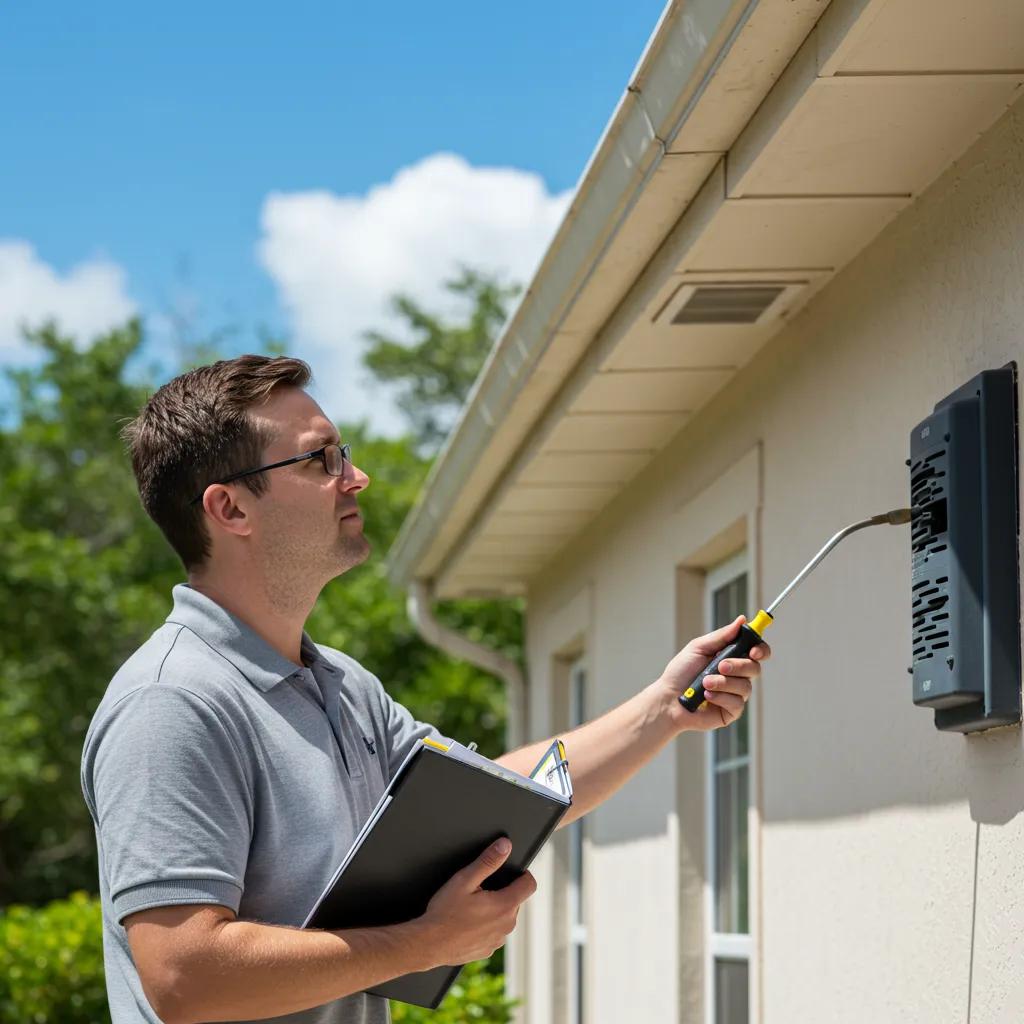
Why Pre-Listing Inspections Are a Game Changer for Florida Home Sellers and Real Estate Agents
By Fred Rodrigues, Certified Master Inspector with Damngood Inspection
Recap: This article, authored by Fred Rodrigues, Certified Master Inspector, explores how pre-listing inspections empower Florida home sellers and real estate agents. It details benefits like early issue identification, accurate pricing, and stronger negotiation leverage. Learn how advanced technologies and Florida-specific insights streamline sales, boost buyer confidence, and reduce transaction delays.
A pre-listing inspection is a proactive property condition assessment performed before a home goes on the market, giving sellers and agents control over the sale process by surfacing hidden defects early. This article explains why pre-listing inspections improve pricing accuracy, strengthen negotiation leverage, and increase buyer confidence—especially in Florida’s unique climate and regulatory environment. Sellers and agents will learn practical benefits, agent-focused tactics, the advanced technologies inspectors use, and answers to common questions about timing, scope, and cost. Read on for clear, actionable guidance that helps reduce fall-throughs and speeds closings while maintaining transparency with buyers.
What Are the Key Benefits of Pre-Listing Inspections for Home Sellers?
A pre-listing inspection identifies material defects before buyers order their own inspections, reducing surprises and enabling informed seller decisions. By documenting condition with photos and prioritized findings, sellers can set realistic prices, choose targeted repairs or credits, and present verified condition data to prospective buyers. This proactive approach shifts negotiation leverage to the seller and shortens time-to-contract by reducing contingencies.
Pre-listing inspections deliver five primary seller benefits:
- Early Issue Identification: Hidden defects surface before listing, enabling planned repairs.
- Accurate Pricing: Verified condition data informs competitive, market-driven pricing.
- Stronger Negotiation: Sellers present facts instead of reacting to buyer discoveries.
- Faster Closings: Fewer last-minute contingencies and smoother timelines.
- Increased Buyer Confidence: Reports with photos/videos reduce perceived risk for buyers.
These benefits combine to reduce contingency-driven renegotiations and improve sale predictability.
How Do Pre-Listing Inspections Help Identify Issues Early?
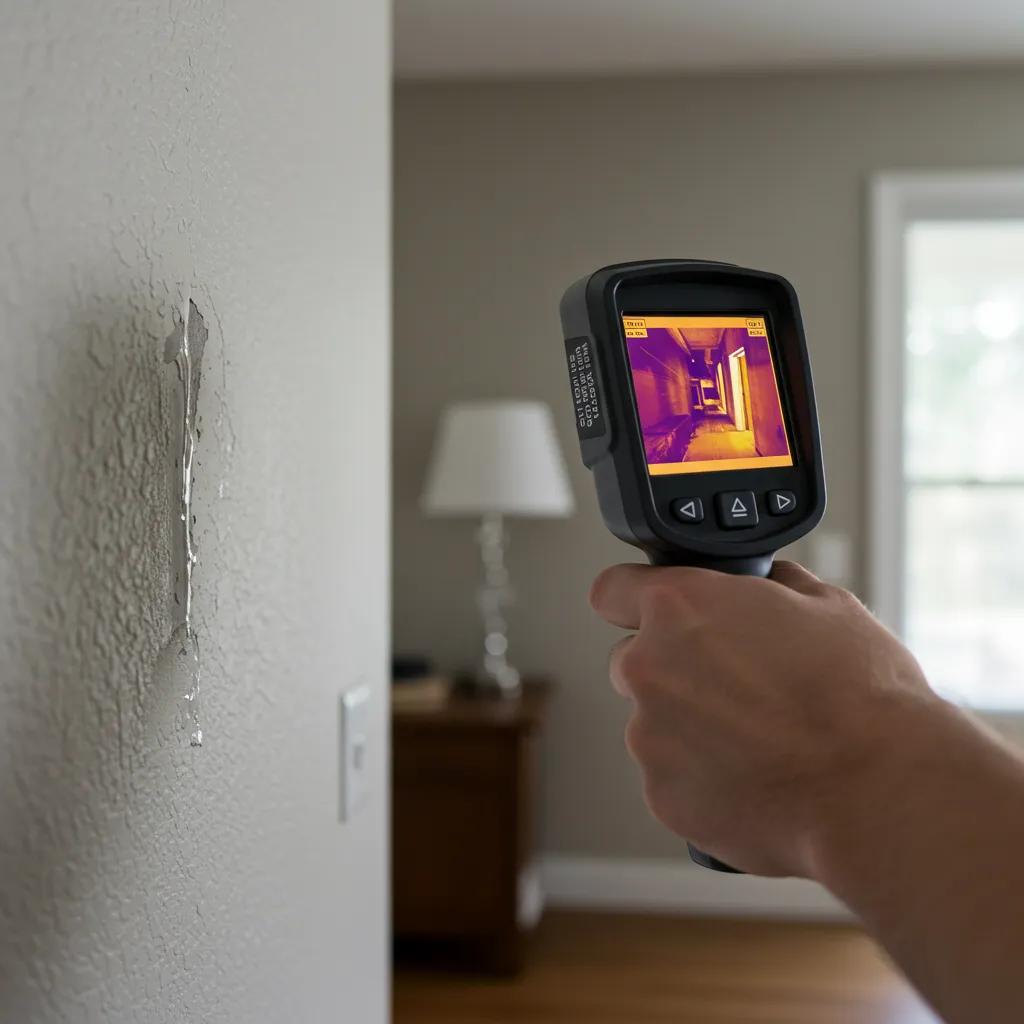
Pre-listing inspections use systematic visual checks plus targeted tools to find common hidden problems like roof leaks, attic moisture, electrical hotspots, and plumbing slow-drain issues. Early detection allows sellers to prioritize repairs that have the highest impact on sale outcomes and to avoid escalating damage such as mold growth or structural deterioration. Documenting issues early also supports full and accurate disclosures, which reduces post-sale dispute risk.
This table clarifies how pre-inspection reduces unknowns that typically derail closings.
Why Does Early Issue Detection Improve Pricing Accuracy?
Verified inspection data replaces guesswork in pricing and reduces the risk of overpricing or sudden downward adjustments after buyer inspections. When sellers present a prioritized repair list or repair receipts, agents can justify list price with evidence rather than assumptions, which helps attract serious offers quickly. Accurate pricing informed by inspection findings shortens marketing time and reduces the need for price drops that often follow buyer-initiated discoveries.
How Do Pre-Listing Inspections Strengthen Seller Negotiation Power?
A clear, dated inspection report gives sellers options: complete targeted repairs, offer a credit, or disclose issues transparently and price accordingly. This triage prevents buyers from using late discoveries as leverage for steep concessions since the seller already controlled remediation choices. When negotiations begin with shared knowledge, sellers often preserve more of their asking price and close faster.
In What Ways Do Pre-Listing Inspections Boost Buyer Confidence?
Providing a full inspection report with photos and prioritized recommendations reduces buyer uncertainty and speeds decision-making by showing transparency and due diligence. With documented findings, buyers feel more confident submitting timely offers and are less likely to add lengthy contingencies that delay closing. Sharing a seller-ordered report meets buyer expectations and shortens inspection negotiation cycles.
After outlining seller advantages, Damngood Inspection’s pre-listing service provides a straightforward path to apply these benefits locally. Damngood Inspection performs pre-listing inspections that use advanced imaging and delivers detailed same-day reports, enabling sellers and agents to act on findings quickly and present verified condition data to buyers and listing platforms.
How Do Pre-Listing Inspections Empower Real Estate Agents in Florida?
Pre-listing inspections make agents more effective advisors by reducing last-minute surprises that cause renegotiation, and by transforming inspection reports into marketing assets that highlight transparency. Agents who encourage pre-inspections can manage timelines more predictably, build greater client trust, and differentiate their listings in competitive Florida markets.
Pre-listing inspections streamline transactions and reduce delays in several concrete ways:
- They remove common contingencies by addressing issues before buyer inspections.
- They reduce scheduling bottlenecks near closing when repairs compete with tight timelines.
- They enable quicker lender and insurer clearances when documentation is available.
Agents who integrate inspection data into timelines consistently report fewer fall-throughs and cleaner closings.
How Do Pre-Listing Inspections Streamline Transactions and Reduce Delays?
When sellers address defects early, the buyer’s inspection window becomes a confirmation step rather than a negotiation trigger, which shortens the contingency period and reduces rescheduling. Same-day reports further enable agents to post accurate disclosures and adjust marketing quickly. This smoother timeline benefits all parties: sellers move faster, buyers lose less time, and agents close more predictable deals.
Why Are Inspection Reports Valuable Marketing Tools for Agents?
Inspection reports with photos and prioritized findings can be excerpted in listing descriptions, open house materials, and digital marketing to demonstrate transparency and reduce buyer hesitation. Agents can highlight “inspector-verified” aspects, such as recent roof or HVAC status, to reassure buyers and justify pricing. Used correctly, inspection documentation becomes a trust-building differentiator that supports faster showings and stronger offers.
Why Pre-Listing Inspections Matter for Florida Sellers and Agents
Advanced tools like infrared cameras, drone imaging, and rapid report delivery improve defect detection and evidence quality beyond a basic visual walk-through. Infrared thermography reveals moisture and insulation gaps, drone surveys safely document roof condition, and same-day HD photo/video reports let sellers and agents act immediately. These technologies create clearer disclosure materials and reduce the chance of late-stage surprises that prolong sales.
Here are the primary ways modern inspection tech benefits listings:
- Infrared Imaging: Finds hidden moisture and thermal anomalies not visible to the eye.
- Drone Roof Surveys: Captures high-resolution roof and exterior evidence safely.
- Same-Day Reports: Enables immediate marketing and remediation planning.
How Does Infrared Camera Technology Detect Hidden Home Issues?
Infrared cameras detect temperature differences that indicate moisture intrusion, insulation voids, or overheating electrical components by converting thermal contrasts into visible images. In Florida’s humid climate, early thermal detection of moisture helps prevent mold growth and expensive remediation. Infrared findings prioritize repairs that affect buyer perception most, such as attic moisture or HVAC leakage.
What Are the Benefits of Drone Imaging in Pre-Listing Inspections?
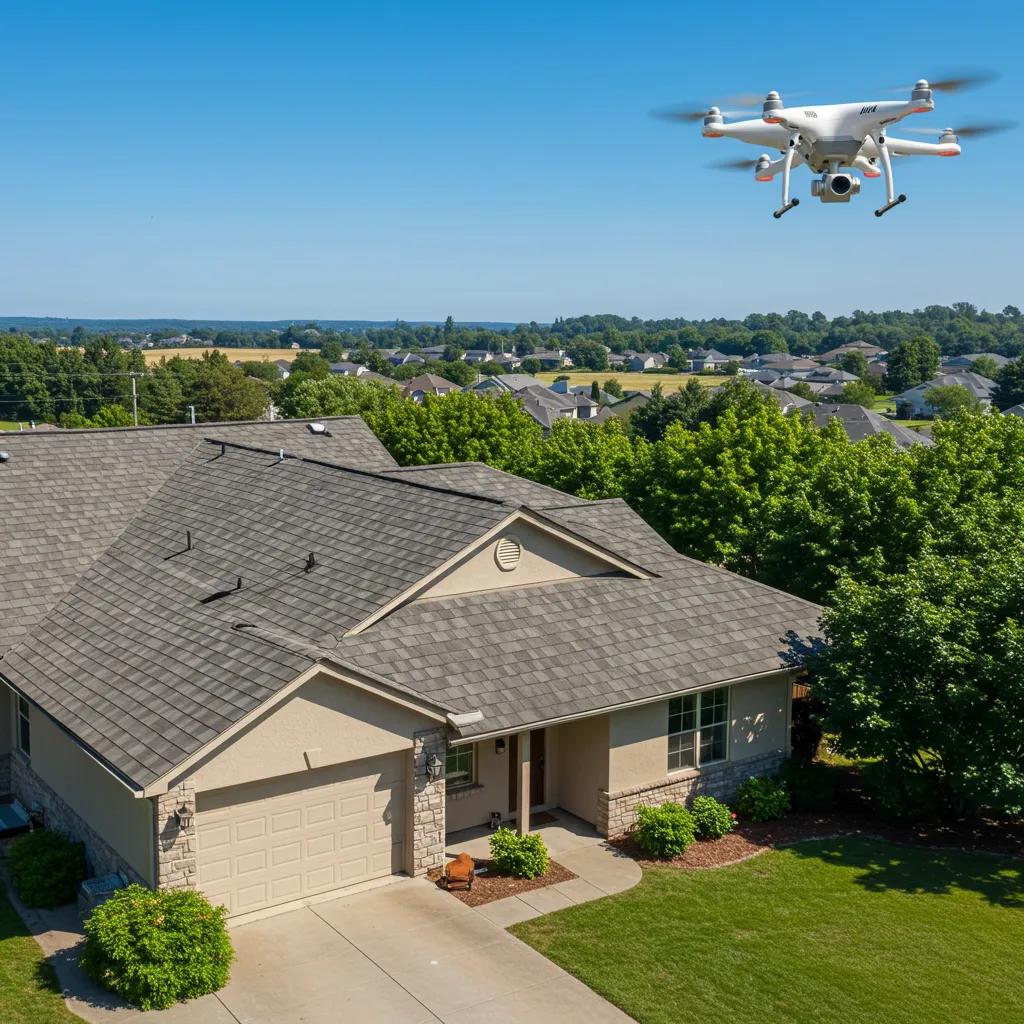
Drone imaging provides high-resolution views of roofs, gutters, chimneys, and exterior features without the risk and limitation of roof-walking. Drones capture angles and details that inform repair estimates and insurance disclosures and produce media suitable for listings and virtual tours. That visual evidence reassures buyers and supports pricing decisions by documenting exterior condition comprehensively.
How Do Same-Day Detailed Reports Improve the Selling Process?
Same-day reports with HD photos and short video clips let sellers prioritize fixes and let agents incorporate verified condition details into listings immediately. Fast turnaround reduces downtime between inspection and marketing, shortens negotiation cycles, and helps buyers review findings while interest is high. When reports arrive quickly, repair contractors and agents can schedule next steps without delaying the listing.
What Florida-Specific Factors Make Pre-Listing Inspections Essential?
Florida’s high humidity, frequent storms, and coastal exposure increase risks for moisture intrusion, mold, and wind damage, making proactive inspections especially valuable. Local disclosure laws and insurance considerations add legal and transactional complexity, so documented condition evidence helps sellers comply and reduce post-sale disputes.
Florida’s climate accelerates certain failures:
- High humidity increases the likelihood of mold in attics and crawlspaces.
- Storms and hurricanes raise roof and exterior vulnerability.
- Salt air can accelerate corrosion on metal components.
How Does Florida’s Climate Impact Property Risks Like Mold and Wind Damage?
Florida’s warm, humid environment fosters condensation and microbial growth in poorly ventilated spaces, elevating mold risk that can affect buyer decisions and health concerns. Strong seasonal storms and hurricane exposure increase the probability of roof and siding damage, which often triggers insurance scrutiny or required mitigation documentation. Pre-listing inspections prioritize these climate-sensitive areas—roof, attic, HVAC, and crawlspaces—to reduce late-stage surprises during sale negotiations.
How Do Pre-Listing Inspections Help Navigate Florida Real Estate Disclosure Laws?
A dated, professional inspection report provides evidence sellers can use to complete accurate disclosures and to show good-faith efforts to identify and remediate known issues. While sellers should consult their agent or attorney for formal disclosure language, inspection documentation supports transparency and reduces the likelihood of post-closing claims.
What Common Questions Do Sellers and Agents Have About Pre-Listing Inspections?
This FAQ-style section answers common questions succinctly to aid decision-making and capture common search intents.
Is a Pre-Listing Inspection Worth It for Florida Home Sellers?
Yes. A pre-listing inspection is typically worth the investment because it prevents surprises and can improve sale timelines and net proceeds by reducing concessions. Typical inspection cost ranges can be an investment in faster closings; many market analyses reference inspection cost ranges near $450–$800 as reasonable for the value returned. For sellers facing climate-related risks, the preventative value often outweighs the upfront cost.
Who Typically Pays for a Pre-Listing Inspection?
Usually the seller pays for a pre-listing inspection so they control timing and remediation choices, though arrangements can vary by agreement. Paying upfront helps sellers manage repairs proactively and often recoups value through smoother negotiations and fewer concessions. Agents should discuss this option with sellers as a strategic investment in market readiness.
What Does a Pre-Listing Inspection Cover?
A standard pre-listing inspection reviews major systems and components and can be supplemented with targeted tests like 4-point, wind mitigation, or mold assessment when appropriate. Core coverage typically includes roof, structure, electrical, plumbing, HVAC, and interior/exterior observations.
This quick lookup helps sellers plan the inspection and coordinate listings or repairs. Damngood Inspection commonly delivers a same-day detailed report so agents and sellers can act swiftly.
How Long Does a Pre-Listing Inspection Take?
Most single-family home inspections take approximately 2–4 hours on site depending on size and complexity, with additional time for supplemental tests when needed. Same-day report delivery shortens the wait for documented findings and enables immediate listing preparation. For scheduling, contact professionals who provide rapid reporting and technology-enabled documentation.
Fred Rodrigues, Certified Master Inspector with Damngood Inspection, and his team provide technology-backed pre-listing inspections and same-day reports for Florida sellers and agents. To discuss a pre-listing inspection or schedule service, call Damngood Inspection at (407) 707-4500 or (954) 821-1943.
Conclusion
Pre-listing inspections empower Florida home sellers and real estate agents by identifying issues early, ensuring accurate pricing, and enhancing buyer confidence. This proactive approach not only streamlines the selling process but also minimizes surprises that can derail transactions. By leveraging advanced inspection technologies, sellers can present verified condition data that attracts serious buyers and expedites closings. Discover how a pre-listing inspection can transform your selling experience by contacting Damngood Inspection today.