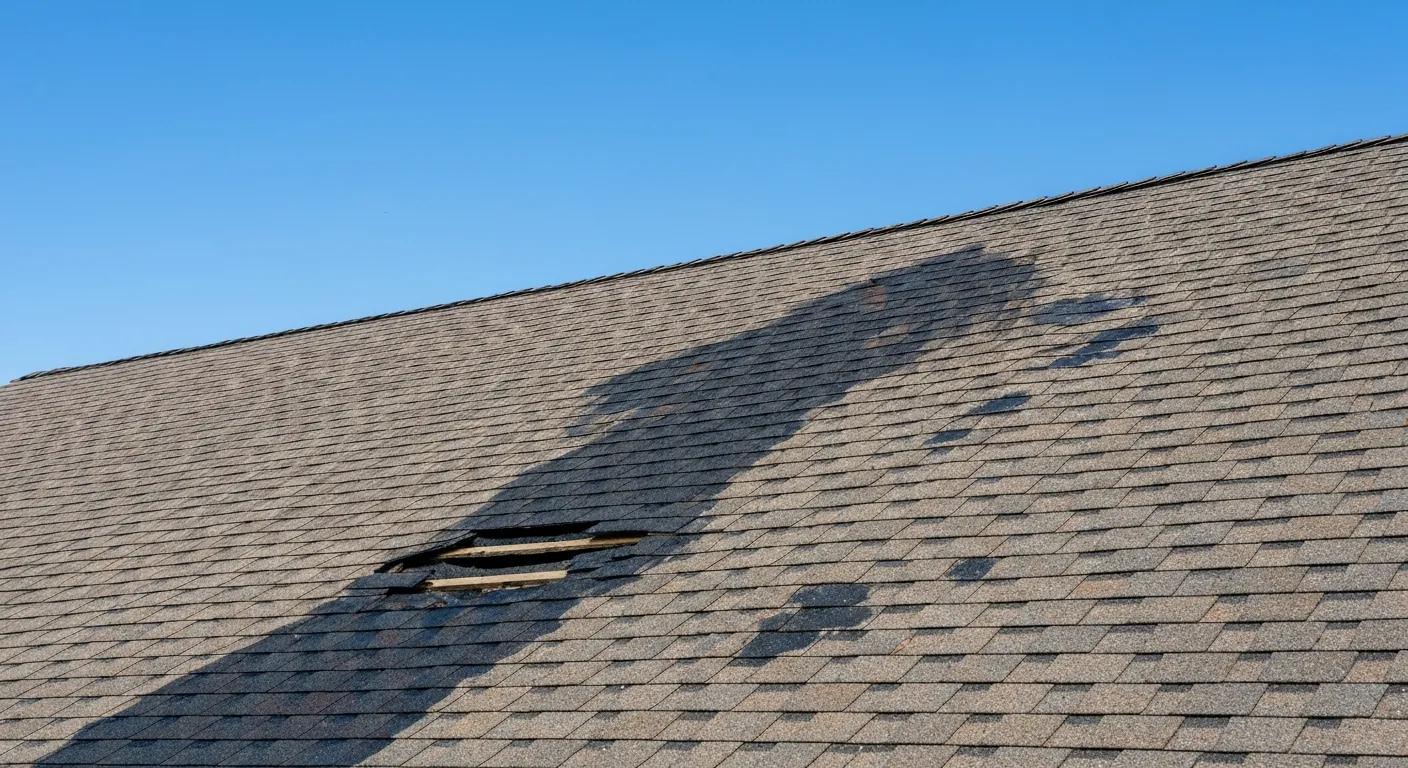
Shield Your Roof: Uncover Hidden Issues
Florida’s intense climate accelerates shingle roof failures, often starting subtly and growing into expensive problems. This guide explains five common hidden shingle roof issues in Florida: wind uplift, UV/heat degradation, concealed leaks, biological growth, and flashing/gutter failures. It covers why they remain hidden, how they weaken roof life, and practical detection and prevention steps. Each section provides signs to watch for, detection techniques, and maintenance priorities tailored to Florida roofs. The article also addresses financial consequences of delayed repairs and the role of professional inspections. Read on to recognize clues and determine when an inspection or repair is needed.
This article was written by Fred Rodrigues, a Certified Master Inspector with thousands of roof inspections completed in Florida.
Article Recap: Key Takeaways for Your Florida Roof
- Florida’s Climate Impact: Intense sun, humidity, storms, and salt air accelerate shingle roof failures, often starting subtly.
- Five Hidden Problems: Learn about wind uplift, heat/UV degradation, concealed leaks, biological growth, and flashing/gutter failures.
- Early Detection is Key: Understand the signs, detection techniques (attic checks, moisture meters, thermal imaging, drones), and prevention steps.
- Financial Benefits: Discover how early repairs save money by preventing costly replacements and secondary damage.
- Professional Inspections: See how regular expert assessments extend roof life and provide crucial documentation for insurance.
This guide equips you with the knowledge to protect your roof investment and maintain your home’s integrity against Florida’s unique climate challenges.
What Are the Most Common Hidden Shingle Roof Problems in Florida?
Hidden roof problems begin subtly, often below the surface, making them hard to detect until interior damage manifests. They arise from local failure mechanisms—wind uplift, UV breakdown, water intrusion, biological growth, and compromised flashings/gutters—exacerbated by Florida’s climate. Early signs like lifted tabs, granules in gutters, or attic stains indicate processes that weaken adhesive bonds, expose underlayment, and allow moisture to reach decking. Detection requires both rooftop and attic diagnostics. Understanding these five issues helps homeowners prioritize inspections and repairs, preventing secondary damage like rot, mold, or costly replacements. The five most common hidden shingle roof problems in Florida are:
- Wind uplift and edge tab lifting: High winds can pry up shingle edges or lift tabs at seams before visible blow-off occurs.
- Heat and UV-driven granule loss: Intense sun and heat make asphalt brittle, causing granule loss and fast aging without obvious early warning.
- Concealed roof leaks and underlayment failure: Small breaches at flashings or penetrations let water reach underlayments and sheathing before ceiling stains appear.
- Mold, mildew, and algae infestation: Humidity plus shade fosters biological growth that degrades shingles and voids some warranties.
- Flashing, gutter backups and pest-related damage: Failed flashing, clogged gutters, or animal nests trap moisture and create hidden rot points.
These five issues share the trait of being initially subtle; the next sections show how each mechanism works and what specific signs to watch for.
How Does Wind Damage Cause Shingle Uplift and Roof Deterioration?
Wind uplift occurs when turbulent airflow pries at shingle edges and tabs, allowing water and wind infiltration. Repeated flapping loosens adhesive bonds and exposes underlayment. Florida’s microbursts and hurricane gusts accelerate this. Inspectors look for crease lines, lifted tabs, missing sealant, and granules in gutters. Early repair, like re-seating tabs or replacing shingles, prevents progression; otherwise, it leads to accelerated shingle loss and decking exposure, shortening roof life.
What Signs Indicate Heat and UV Damage on Florida Shingle Roofs?
Heat and UV radiation degrade asphalt binders and dislodge granules, causing bald spots, brittle edges, curling, and micro-cracking, reducing waterproofing. Florida roofs show signs like excessive granules in gutters, brittle flakes on caps, and cupping or cracking shingles. This gradual deterioration may only appear as cosmetic changes before adhesion fails. Preventive options include reflective coatings and UV-rated shingles; timely replacement extends service life.
How Hidden Leaks and Water Intrusion Silently Erode Roof Lifespan
Roof leaks often originate at interface points—underlayment laps, poorly sealed flashings, or penetrations—remaining hidden beneath shingles or in attics, slowly causing rot. Water bypassing defenses attacks underlayment and sheathing, weakening nails and promoting mold, degrading insulation and structural members. Detecting concealed leaks involves attic checks, moisture meters, and surface staining; thermal imaging reveals damp areas. Understanding leak origins helps homeowners act quickly, limiting secondary damage and preventing full replacement.
Hidden roof leaks most commonly originate in these locations:
- Valleys and roof-to-wall junctions: Water funnels and breaches often start where planes intersect.
- Step flashings and counterflashing around chimneys or walls: Improperly lapped metal or deteriorated sealant creates slow leaks.
- Penetrations (vents, plumbing stacks) and underlayment laps: Pipe boots, vent collars, and underlayment seams are frequent failure points.
Insufficient attic ventilation traps humid air, causing condensation on sheathing, fostering mold, mildew, and accelerated underlayment deterioration. Unbalanced ventilation accumulates moisture, reducing shingle lifespan by weakening nail adhesion and promoting rot. Signs include wet insulation, mold on rafters, and odors. Addressing ventilation alongside leak repairs reduces humidity damage and protects attic materials.
Why Are Mold, Mildew, and Algae Growth Dangerous for Florida Shingle Roofs?
Biological growth feeds on organic materials and moisture, discoloring shingles and degrading asphalt layers, accelerating granule loss and reducing waterproofing. Florida’s humidity, rain, and shaded slopes create ideal conditions. Beyond aesthetics, persistent growth can void warranties and mask deterioration. Detection combines rooftop surveys, attic checks, and moisture readings. Treatment and prevention involve safe cleaning, zinc/tin strip installation, and trimming vegetation to increase sunlight and drying.
Mold, mildew, and algae prevention focuses on practical actions homeowners can take:
- Improve drainage and remove organic debris regularly: Gutters and valleys should be kept clear to reduce moisture retention.
- Increase sunlight exposure and airflow: Trim branches and ensure ventilation to discourage growth.
- Use algae-resistant materials or zinc/tin strips: Installing preventive materials near ridges helps inhibit regrowth.
Mold and algae thrive in Florida’s moist, shaded, warm environments with organic debris. Spores land on shaded shingles, feeding on trapped organic matter; persistent dampness allows colonies to spread. Recognizing these drivers helps homeowners target prevention: improve drainage, increase roof exposure, and schedule cleaning during dry periods.
What Are Flashing Failures and How Do They Hide Serious Roof Damage?
Flashing, a metal or membrane component, waterproofs roof transitions like junctions, chimneys, and vents. Small compromises can route water into the roof assembly without visible shingle failure. Failures often start with deteriorated sealant, displaced counterflashing, or rust. Since breaches can be hidden, leaks may track along framing, appearing as interior stains far from the source. Inspectors look for subtle cues—loose edges, sealant gaps, corrosion—combining rooftop and attic checks to trace paths. Early replacement or reseating prevents moisture migration, decking rot, and mold.
Common signs that flashing is failing on Florida roofs include:
- Cracked or missing sealant and rust on metal flashings: Indicative of compromised watertightness.
- Loose or displaced flashing pieces at roof-to-wall interfaces: Gaps allow wind-driven rain to enter.
- Interior ceiling or wall stains near penetrations: Indirect sign that flashing breaches are present.
A tiny flashing gap allows water into framing, saturating insulation and promoting fungal decay, weakening nails and sheathing. By the time interior stains appear, structural members may need replacement. Professional inspection and early repair of flashing breaches prevent secondary costs like mold remediation and structural repairs.
How Do Clogged Gutters and Pest Infestations Secretly Harm Your Shingle Roof?
Clogged gutters cause water backup, soaking fascia, wetting eaves, and forcing water under shingles or into soffits. Combined with pest nesting debris, this creates persistent hidden moisture. Pests like birds, rodents, or insects cause physical damage by lifting shingles, gnawing fasteners, or depositing moisture-retaining materials that accelerate decay. Preventative maintenance—gutter cleaning, guards, vegetation trimming, and pest monitoring—stops moisture accumulation and removes microhabitats, preventing small failures from escalating. Regular upkeep and pest control limit hidden damage to the roof deck and interior.
Seasonal gutter and pest maintenance checklist:
- Clear gutters and downspouts at least twice yearly: Prevents overflow and reduces fascia rot.
- Install or inspect gutter guards where practical: Reduces debris buildup and nesting sites.
- Trim tree limbs and remove brush near rooflines: Discourages pests and reduces organic debris accumulation.
Backed-up gutters spread water across fascia, behind shingles, or under eaves, soaking wall sheathing and compromising siding. Continuous wetting accelerates wood rot, nail pull-through, and underlayment seal breakdown. Regular inspection after foliage seasons and post-storm clearing reduces moisture exposure. Pests damage roofs by lifting shingles, chewing underlayment, and creating access points, while nesting materials trap moisture. Preventing pest access with screens, guards, and vegetation control maintains a dry roofing system.
How Does Early Professional Roof Inspection Extend the Life of Your Florida Shingle Roof?
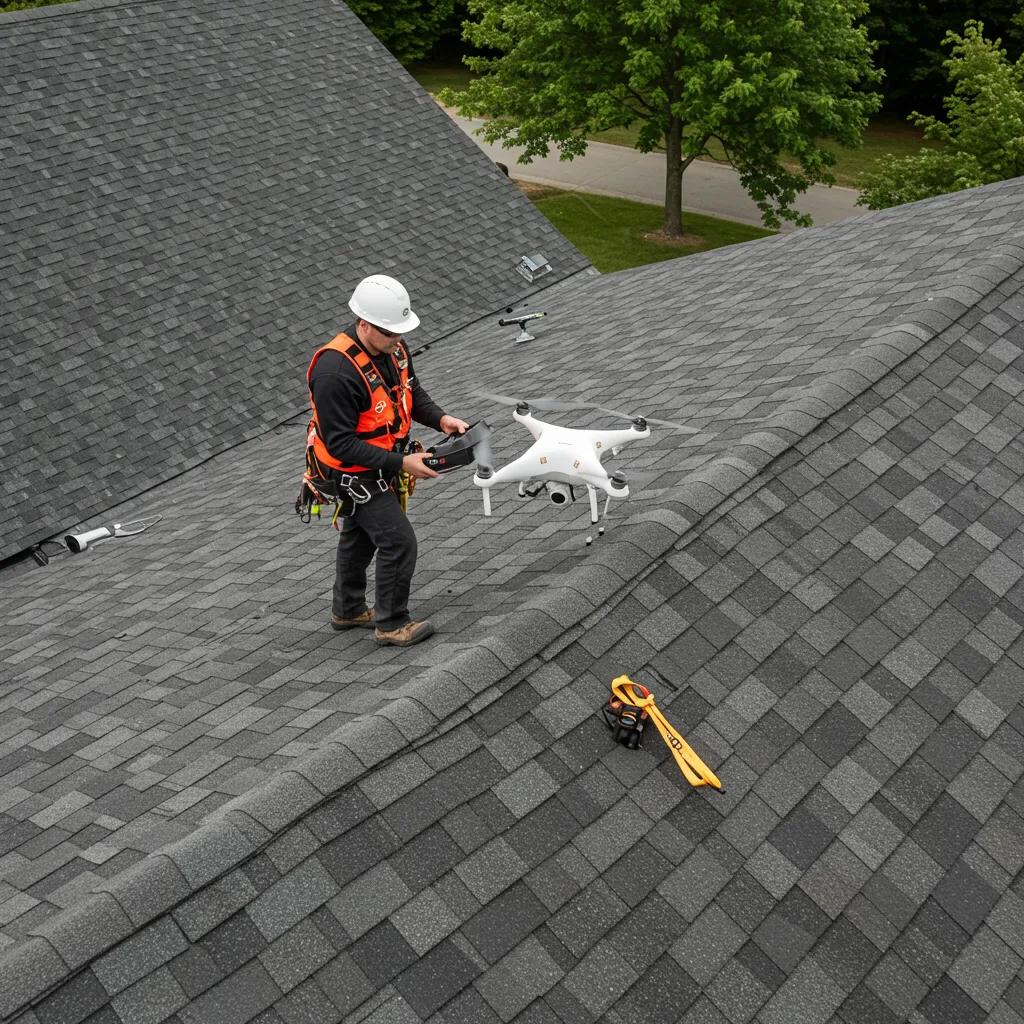
Early professional inspection identifies hidden failures before they cause structural damage, utilizing rooftop and attic diagnostics, prioritizing repairs, and documenting conditions for insurance or warranty. Inspectors combine visual surveys, attic checks, moisture meters, thermal imaging, and drone close-ups to reveal concealed issues like underlayment failure, flashing breaches, and trapped moisture. The outcome is a prioritized report with photos, recommended next steps, and costed repair options, enabling informed decisions to maximize roof life. Regular inspections after storms or seasonally facilitate planned maintenance, avoiding costly emergency replacements.
Inspection process and what it delivers:
- Visual rooftop survey and attic inspection: Identifies surface and concealed issues.
- Diagnostic tools (moisture meter, thermal imaging, drone photos): Pinpoint hidden moisture and lift.
- Delivered documentation: Photo report, prioritized repairs, and recommended next steps.
This workflow ensures hidden problems are found, quantified, and scheduled for repair before they require full replacement.
Ready to Protect Your Roof?
Schedule your professional roof inspection today and uncover hidden issues before they become costly problems.
Online booking accelerates post-storm response and secures inspection documentation for insurance or warranty claims. A standard 45–90 minute inspection yields a photo-rich report with prioritized recommendations, clear next steps, estimated repair scopes, and photographic evidence of hidden conditions, supporting timely interventions that extend roof life and reduce long-term costs.
This table shows how combined techniques detect different hidden problem types so inspectors can prioritize cost-effective repairs that slow deterioration.
What Are the Financial Consequences of Ignoring Hidden Roof Problems?
Ignoring subtle roof problems escalates costs significantly. Early, focused repairs are low-cost, but delayed action often necessitates partial or full roof replacement, plus interior, mold remediation, and structural repairs. Deferred maintenance complicates insurance claims, potentially reducing property value or leading to coverage denial. Modest early repairs preserve roof life and prevent cascading expenses that can far exceed initial repair costs. Homeowners should view inspections and targeted repairs as investments protecting replacement budgets and reducing emergency expenditures.
This comparison highlights how early detection substantially reduces repair vs. replacement cost differentials and preserves roof life. For instance, an early flashing breach repair might cost hundreds, preventing a later scenario where structural and mold remediation increase costs by 300–1,000%. Florida Building Code requirements for wind resistance, material installation, and ventilation influence inspection and repair, impacting insurance and roof performance.
How Can Florida Homeowners Protect Their Shingle Roofs from Climate Challenges?
Protecting a Florida shingle roof demands good materials, balanced attic ventilation, proactive maintenance, and professional inspections to mitigate climate-driven failures. Upgrades include wind/impact-rated shingles, upgraded underlayment, improved attic ventilation, and reflective coatings. Routine maintenance—gutter cleaning, tree-trimming, seasonal inspections, and biological growth control—prevents small issues from becoming hidden failures. This combined approach extends shingle life and reduces costly replacements from concealed damage.
This table summarizes concrete upgrades that reduce the main climate-driven failure mechanisms and extends roof life when combined with routine maintenance.
After DIY maintenance, homeowners should seek professional assessment to confirm hidden conditions are resolved and document roof health for insurance or sale. Regular professional inspections complement homeowner upkeep, using diagnostic tools to find concealed problems and produce photo-backed reports.
- Select wind- and impact-rated shingle options: Reinforces resistance to uplift.
- Upgrade underlayment and fastening patterns: Improves waterproofing and nail holding strength.
- Consider reflective coatings in high-UV exposures: Lowers deck temperature and slows aging.
Frequently Asked Questions
What are the signs that my shingle roof needs immediate attention?
Look for missing or damaged shingles, granules in gutters, and visible leaks or water stains on ceilings. Also, check for curling or buckling shingles. If you notice these signs, schedule a professional inspection to prevent further damage.
How often should I have my roof inspected in Florida?
In Florida, inspect your roof at least once a year, especially after severe weather. Regular inspections identify hidden issues early, allowing timely repairs that extend roof life.
What maintenance tasks can I perform to prolong my roof’s lifespan?
Regularly clean gutters, trim overhanging branches, and clear debris from valleys. Consider applying a reflective coating to reduce heat absorption. These tasks enhance durability.
What should I do if I find mold or algae on my roof?
Safely clean affected areas with manufacturer-approved solutions, avoiding pressure washing. Consider installing zinc or copper strips. If the problem persists, consult a professional.
How can I tell if my attic ventilation is adequate?
Check for moisture buildup, condensation on rafters, or excessively hot roof deck temperatures. A well-ventilated attic has balanced intake and exhaust. Consult a professional if you suspect issues.
What are the financial implications of delaying roof repairs?
Delaying repairs escalates small issues into costly replacements, interior damage, and mold. It can also complicate insurance claims. Timely repairs save thousands in the long run.
Are there specific building codes I should be aware of for roof maintenance in Florida?
Yes, Florida has specific building codes for wind resistance and material installation. Familiarize yourself with local codes, as they influence inspections and insurance. Qualified inspectors can help interpret these regulations.
Conclusion
Understanding hidden shingle roof problems in Florida empowers homeowners to take proactive measures, extending roof life and preventing costly repairs. Recognizing early signs of wind uplift, UV damage, and concealed leaks safeguards your investment and home integrity. Regular professional inspections and timely maintenance are essential for roof health and longevity. Schedule your inspection today to protect your home against Florida’s challenging climate.
Don’t Wait for Visible Damage!
Proactive inspection is key to a long-lasting roof. Get your expert assessment now.