Essential Tips for Conducting Home Inspections
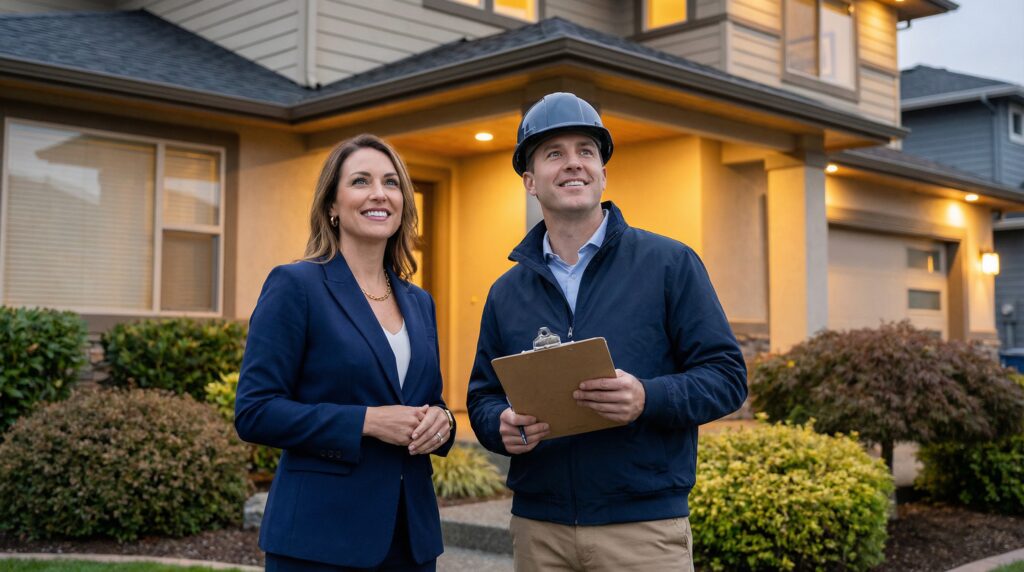
When conducting a home inspection, it's crucial to follow a systematic approach to ensure no detail is overlooked. Start by familiarizing yourself with the property's layout, including its major systems such as plumbing, electrical, and structural components. A thorough inspection can help identify potential issues before they become costly repairs.
Utilize a checklist to guide your inspection process, covering areas like the roof, foundation, and appliances. For example, checking for signs of water damage or mold can save future homeowners from significant health risks and financial burdens. Additionally, documenting your findings with photos and notes will provide valuable insights for your clients.
The Importance of Regular Home Maintenance
Regular home maintenance is essential for preserving the value and safety of a property. Homeowners should schedule routine inspections to catch minor issues before they escalate into major problems. This proactive approach not only enhances the longevity of the home but also contributes to a more comfortable living environment.
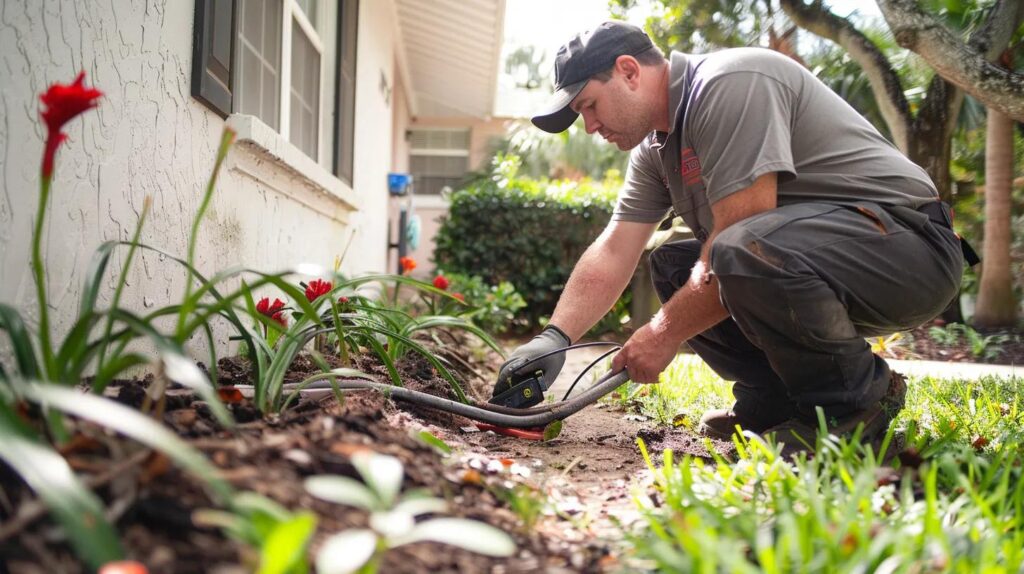
For instance, seasonal maintenance tasks such as gutter cleaning, HVAC servicing, and checking for pest infestations can prevent significant damage and costly repairs. Providing homeowners with a maintenance schedule can empower them to take charge of their property, ensuring it remains in top condition throughout the years.
Understanding Home Inspection Reports
Home inspection reports are critical documents that summarize the findings of an inspection. They provide an overview of the property's condition, highlighting any areas of concern that need attention. Understanding how to read and interpret these reports is vital for both buyers and sellers in the real estate market.
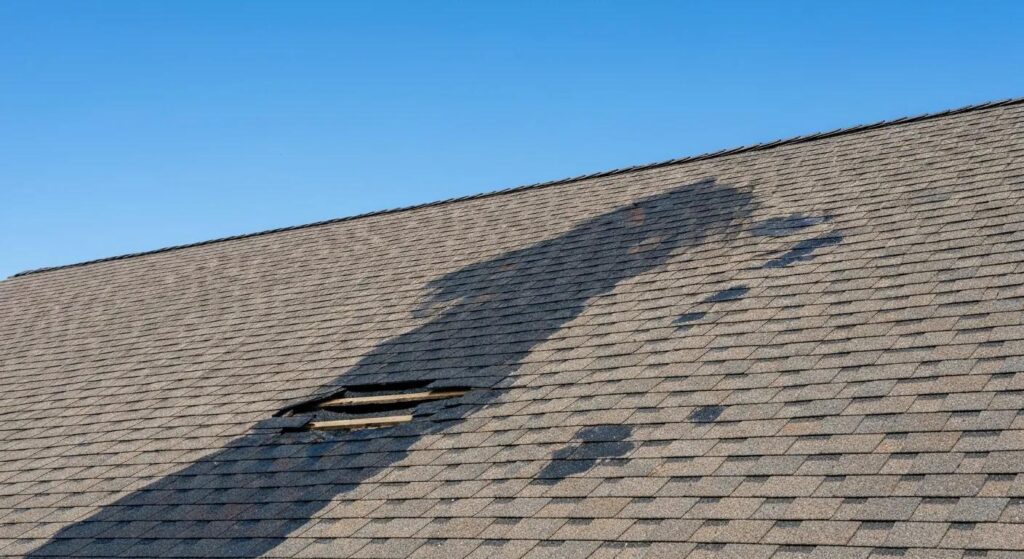
Typically, a home inspection report includes detailed descriptions of the inspected areas, photographs, and recommendations for repairs. For example, a report might indicate that a roof is nearing the end of its lifespan, advising the homeowner to plan for a replacement soon. Familiarizing clients with the format and language of these reports can help them make informed decisions during the buying or selling process.
Common Issues Found During Home Inspections
During home inspections, several common issues frequently arise that can affect a property's value and safety. These issues often include structural defects, inadequate electrical systems, and plumbing leaks. Being aware of these common problems can help potential buyers make informed decisions and negotiate repairs or price adjustments.
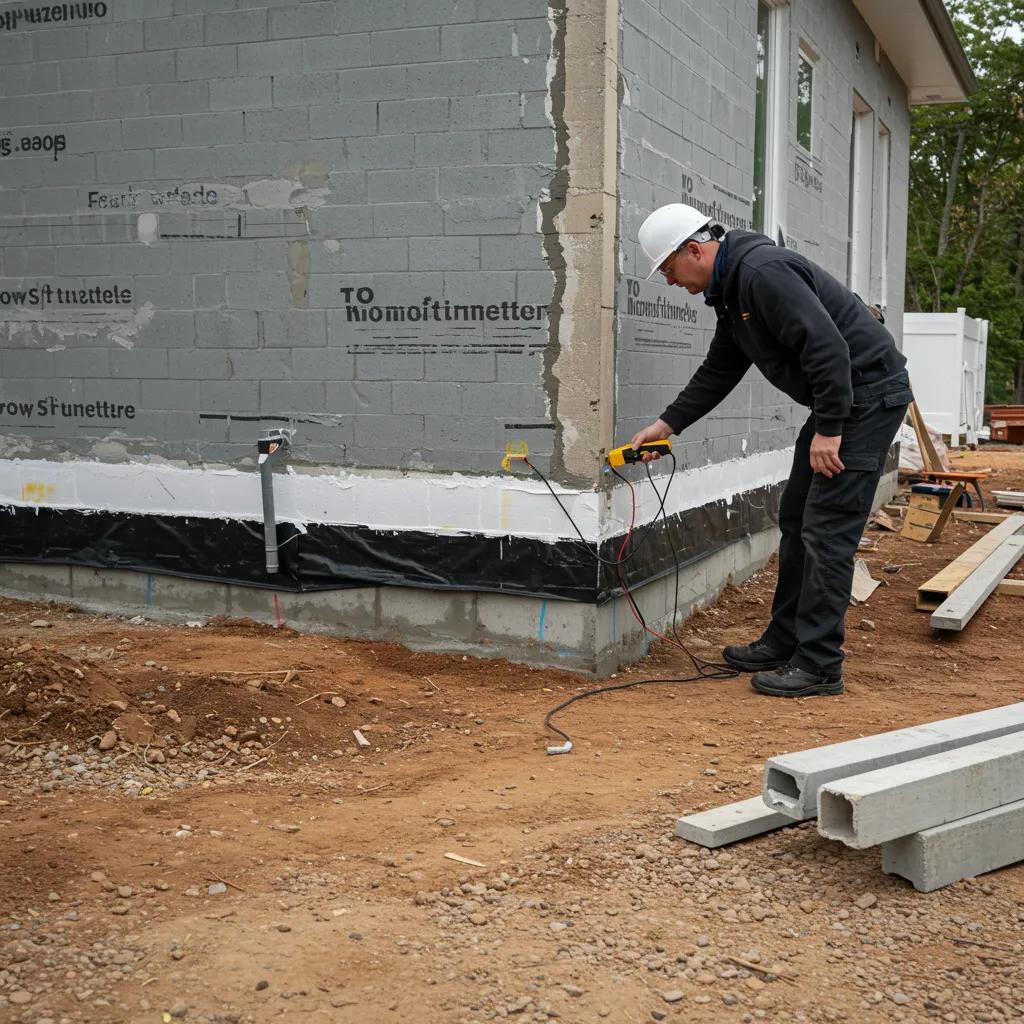
For instance, a cracked foundation can lead to serious structural concerns, while outdated electrical wiring may pose safety hazards. By educating clients about these potential issues, inspectors can empower them to approach home buying with greater confidence and awareness, leading to more satisfactory real estate transactions.
Essential Tips for Conducting Home Inspections
When conducting a home inspection, it's crucial to follow a systematic approach to ensure no detail is overlooked. Start by familiarizing yourself with the property's layout, including its major systems such as plumbing, electrical, and structural components. A thorough inspection can help identify potential issues before they become costly repairs.
Utilize a checklist to guide your inspection process, covering areas like the roof, foundation, and appliances. For example, checking for signs of water damage or mold can save future homeowners from significant health risks and financial burdens. Additionally, documenting your findings with photos and notes will provide valuable insights for your clients.
The Importance of Regular Home Maintenance
Regular home maintenance is essential for preserving the value and safety of a property. Homeowners should schedule routine inspections to catch minor issues before they escalate into major problems. This proactive approach not only enhances the longevity of the home but also contributes to a more comfortable living environment.
For instance, seasonal maintenance tasks such as gutter cleaning, HVAC servicing, and checking for pest infestations can prevent significant damage and costly repairs. Providing homeowners with a maintenance schedule can empower them to take charge of their property, ensuring it remains in top condition throughout the years.
Understanding Home Inspection Reports
Home inspection reports are critical documents that summarize the findings of an inspection. They provide an overview of the property's condition, highlighting any areas of concern that need attention. Understanding how to read and interpret these reports is vital for both buyers and sellers in the real estate market.
Typically, a home inspection report includes detailed descriptions of the inspected areas, photographs, and recommendations for repairs. For example, a report might indicate that a roof is nearing the end of its lifespan, advising the homeowner to plan for a replacement soon. Familiarizing clients with the format and language of these reports can help them make informed decisions during the buying or selling process.
Common Issues Found During Home Inspections
During home inspections, several common issues frequently arise that can affect a property's value and safety. These issues often include structural defects, inadequate electrical systems, and plumbing leaks. Being aware of these common problems can help potential buyers make informed decisions and negotiate repairs or price adjustments.
For instance, a cracked foundation can lead to serious structural concerns, while outdated electrical wiring may pose safety hazards. By educating clients about these potential issues, inspectors can empower them to approach home buying with greater confidence and awareness, leading to more satisfactory real estate transactions.