Understanding the Home Inspection Process
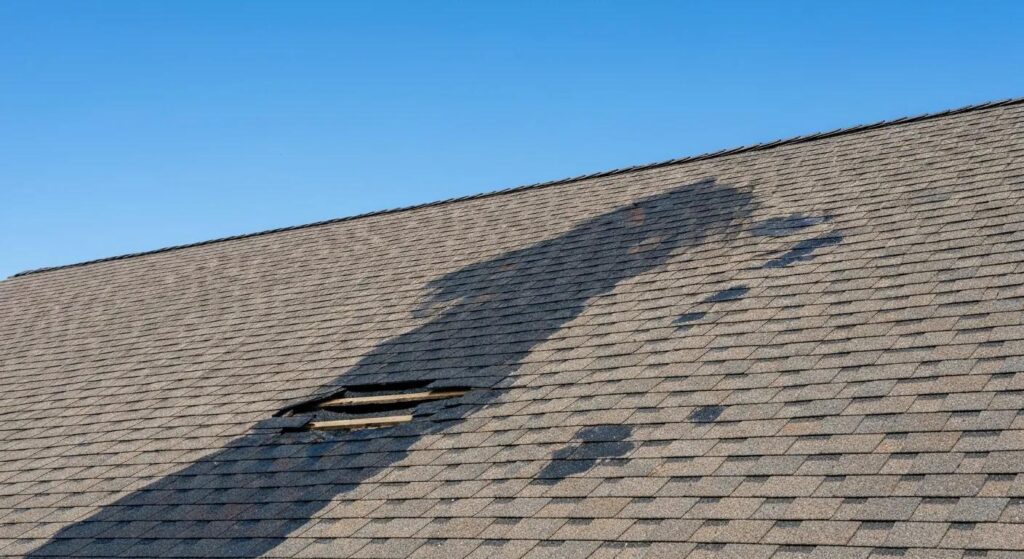
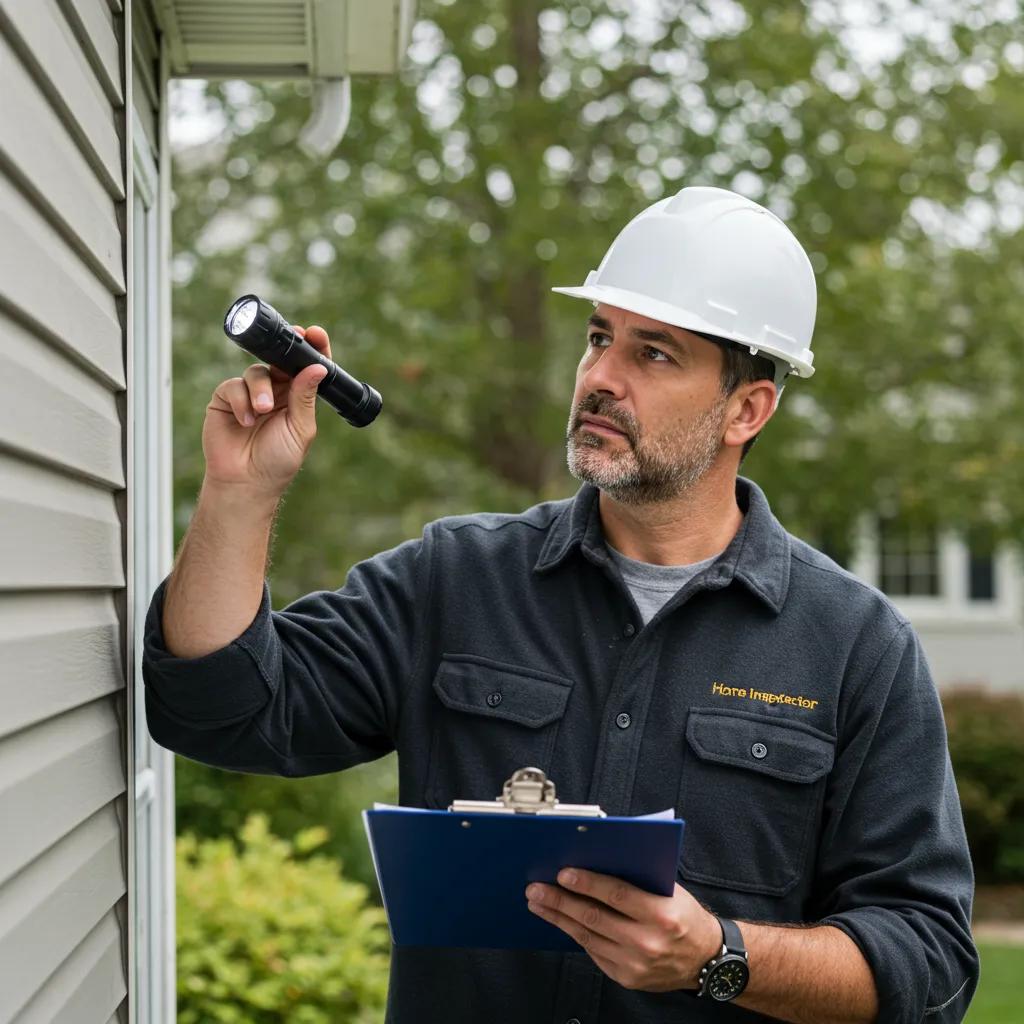
The home inspection process is a critical step for buyers to ensure they are making a sound investment. It typically involves a thorough examination of the property by a qualified inspector who assesses the condition of various components, including the roof, foundation, plumbing, and electrical systems.
During the inspection, buyers can expect a detailed report highlighting any issues found, along with recommendations for repairs or further evaluations. This process not only helps in identifying potential problems but also gives buyers leverage in negotiations with sellers.
Common Home Inspection Myths Debunked
There are several myths surrounding home inspections that can mislead buyers and homeowners. One common misconception is that all home inspectors are the same, which is far from the truth; qualifications, experience, and specialties can vary significantly among inspectors.
Another myth is that a home inspection guarantees that the property is free from defects. In reality, while inspectors strive to uncover visible issues, they cannot predict future problems or assess hidden areas without invasive measures. Understanding these myths can help buyers approach inspections with realistic expectations.
Preparing Your Home for Inspection
Preparing your home for an inspection can significantly impact the outcome. Homeowners should take steps to ensure that the inspector has full access to all areas, including attics, basements, and crawl spaces. Clearing clutter and ensuring utilities are on can facilitate a smoother inspection process.
Additionally, homeowners should consider addressing minor repairs, such as leaky faucets or squeaky doors, before the inspection. This proactive approach not only demonstrates the home's upkeep but can also help avoid red flags that might arise during the inspection.
The Role of Home Inspection Reports
Home inspection reports serve as a vital tool for buyers and sellers alike. These reports provide a comprehensive overview of the property’s condition, detailing any issues and their severity. Understanding the contents of an inspection report is crucial for making informed decisions during the buying or selling process.
Moreover, these reports can be instrumental in negotiations. Buyers may use the findings to request repairs or concessions from the seller, while sellers can leverage a clean report to justify their asking price. Clarity and detail in the report can greatly influence the transaction's outcome.
Understanding the Home Inspection Process
The home inspection process is a critical step for buyers to ensure they are making a sound investment. It typically involves a thorough examination of the property by a qualified inspector who assesses the condition of various components, including the roof, foundation, plumbing, and electrical systems.
During the inspection, buyers can expect a detailed report highlighting any issues found, along with recommendations for repairs or further evaluations. This process not only helps in identifying potential problems but also gives buyers leverage in negotiations with sellers.
Common Home Inspection Myths Debunked
There are several myths surrounding home inspections that can mislead buyers and homeowners. One common misconception is that all home inspectors are the same, which is far from the truth; qualifications, experience, and specialties can vary significantly among inspectors.
Another myth is that a home inspection guarantees that the property is free from defects. In reality, while inspectors strive to uncover visible issues, they cannot predict future problems or assess hidden areas without invasive measures. Understanding these myths can help buyers approach inspections with realistic expectations.
Preparing Your Home for Inspection
Preparing your home for an inspection can significantly impact the outcome. Homeowners should take steps to ensure that the inspector has full access to all areas, including attics, basements, and crawl spaces. Clearing clutter and ensuring utilities are on can facilitate a smoother inspection process.
Additionally, homeowners should consider addressing minor repairs, such as leaky faucets or squeaky doors, before the inspection. This proactive approach not only demonstrates the home's upkeep but can also help avoid red flags that might arise during the inspection.
The Role of Home Inspection Reports
Home inspection reports serve as a vital tool for buyers and sellers alike. These reports provide a comprehensive overview of the property’s condition, detailing any issues and their severity. Understanding the contents of an inspection report is crucial for making informed decisions during the buying or selling process.
Moreover, these reports can be instrumental in negotiations. Buyers may use the findings to request repairs or concessions from the seller, while sellers can leverage a clean report to justify their asking price. Clarity and detail in the report can greatly influence the transaction's outcome.