Understanding Insurance Inspection Types
Insurance inspections are critical evaluations that help homeowners understand their property’s condition in relation to their insurance coverage. These inspections can vary widely, from general assessments to specific evaluations like four-point inspections and wind mitigation inspections.
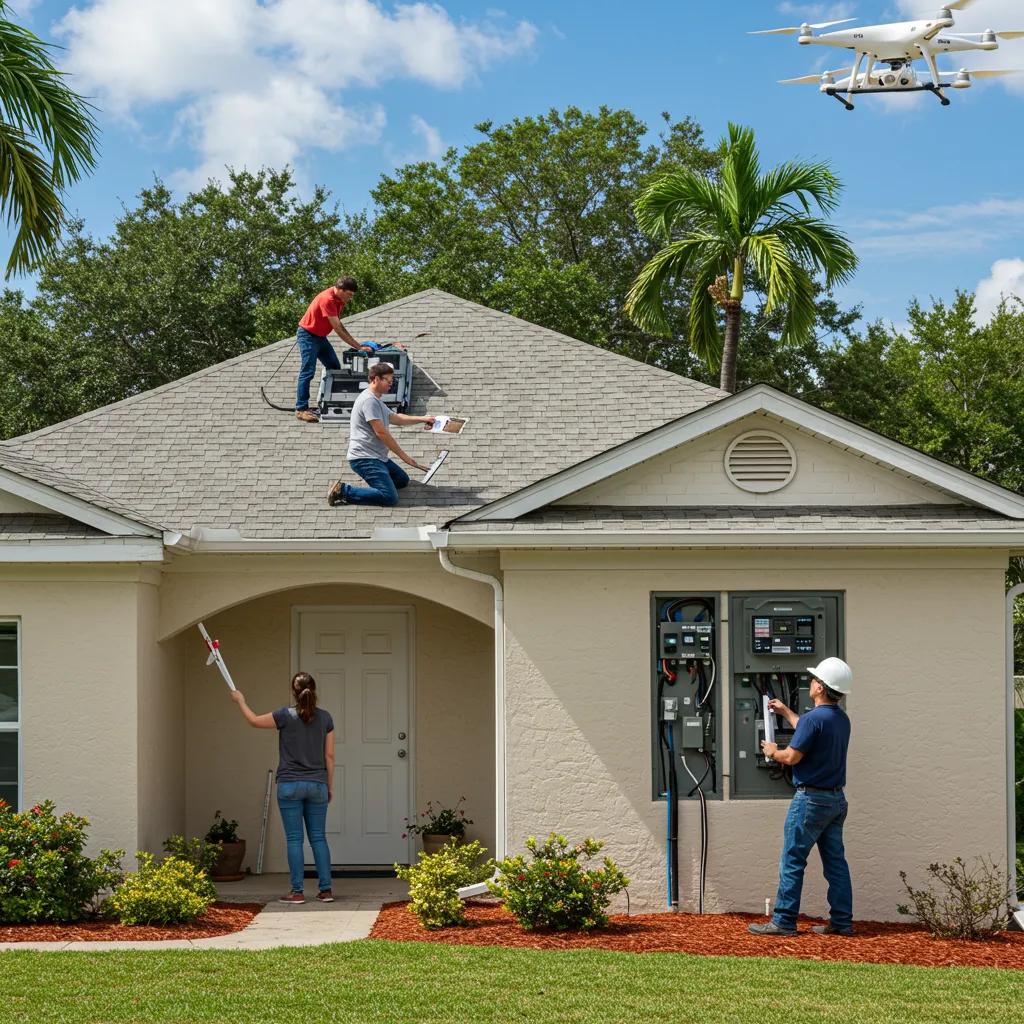
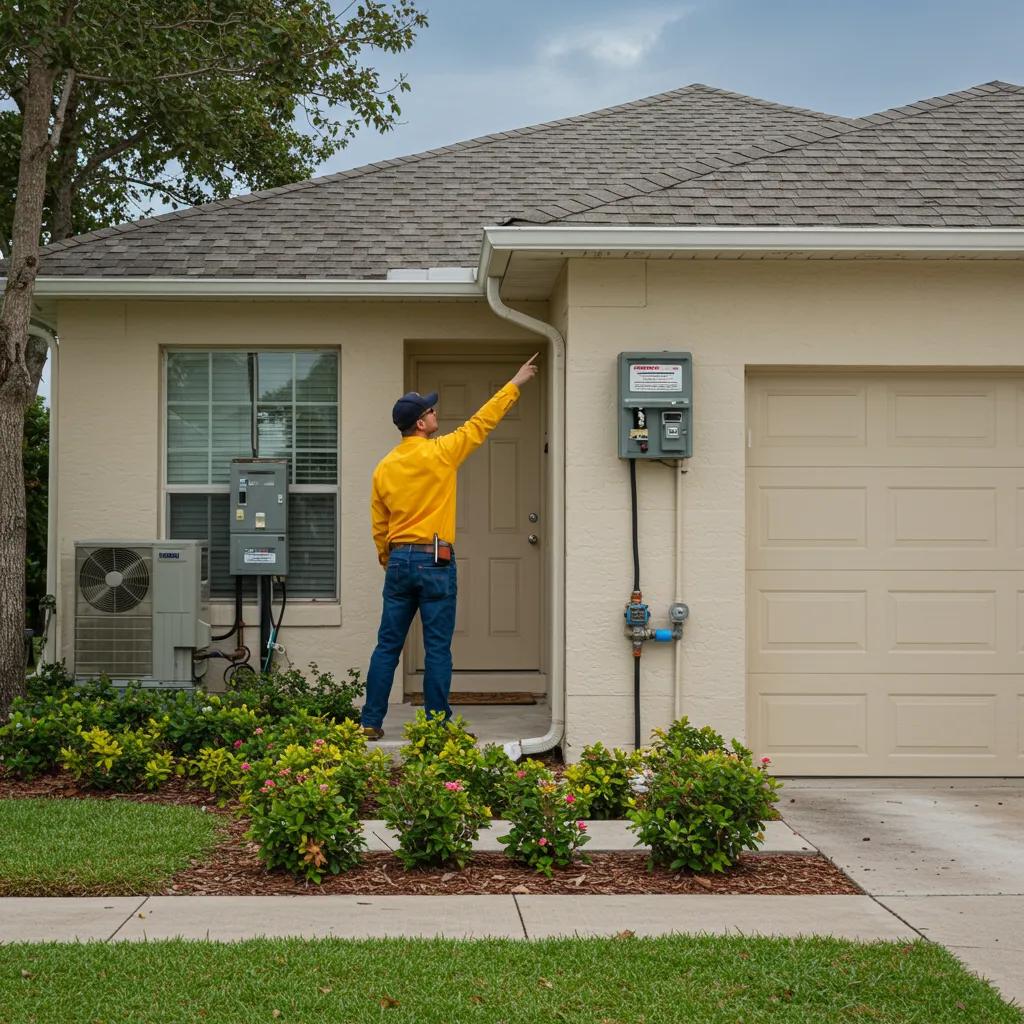
For instance, a four-point inspection typically covers four major systems: HVAC, electrical, plumbing, and the roof. Each of these components is assessed for condition and safety, which can significantly impact your insurance premiums and coverage options.
Common Mistakes Homeowners Make During Insurance Inspections
Many homeowners inadvertently overlook key aspects during their insurance inspections, which can lead to complications with their insurance claims later on. Common mistakes include failing to document existing damage or neglecting to prepare the home for the inspection process.
For example, not addressing visible mold or water damage can raise red flags during an inspection. Homeowners should ensure that all areas of the home are accessible and that any necessary repairs are made beforehand to avoid potential issues with their insurance providers.
The Importance of Wind Mitigation Inspections in Florida
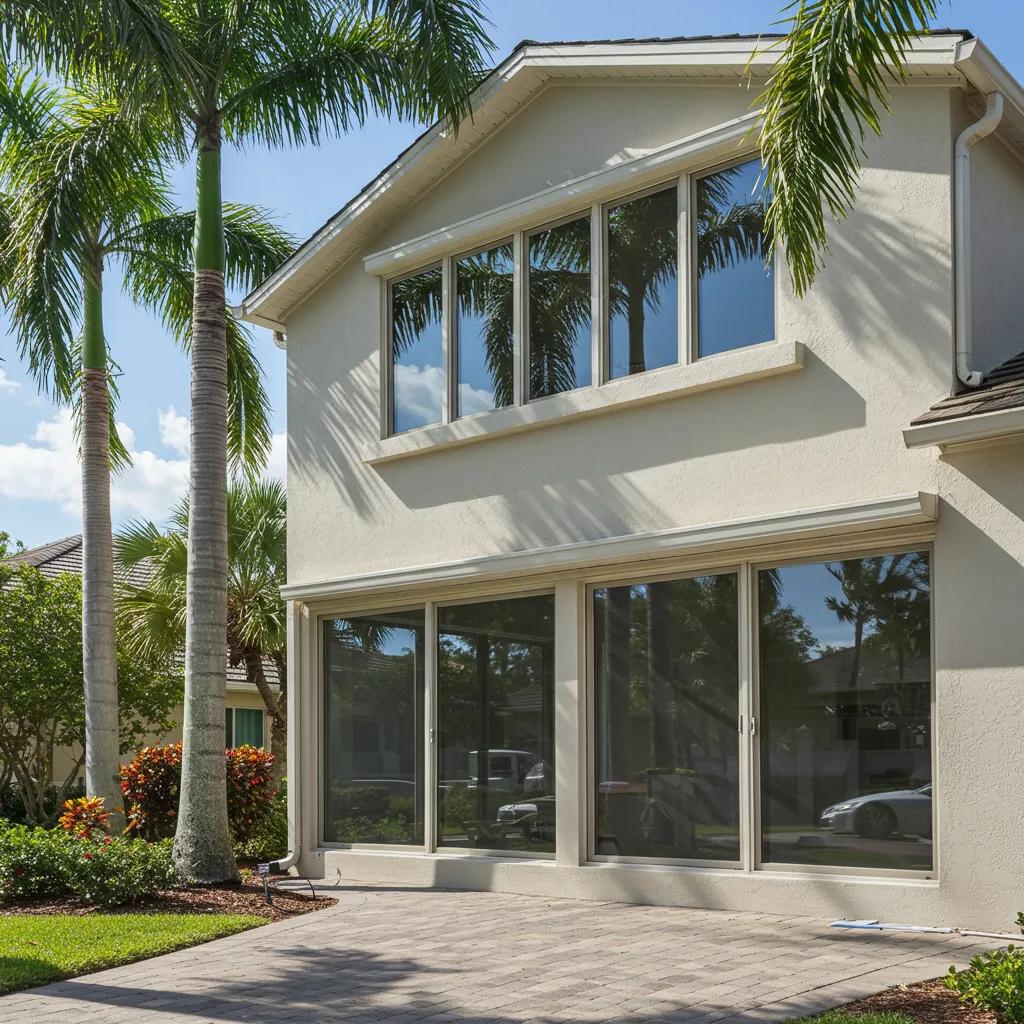
In Florida, wind mitigation inspections are essential due to the state's vulnerability to hurricanes and severe storms. These inspections assess a home's ability to withstand high winds and can lead to significant savings on insurance premiums.
By identifying features such as storm shutters, roof shape, and the overall structural integrity of the home, homeowners can receive discounts on their insurance policies. Understanding the benefits of these inspections can empower homeowners to take proactive steps in protecting their investments.
How to Prepare for Your Insurance Inspection
Preparing for an insurance inspection is crucial for ensuring a smooth process and favorable outcomes. Homeowners should start by reviewing their insurance policy to understand what is required and what will be evaluated during the inspection.
Additionally, it is advisable to conduct a self-inspection prior to the official one. This includes checking for any visible issues, organizing important documents, and ensuring that the inspector has clear access to all areas of the home, including attics and basements.
Understanding Insurance Inspection Types
Insurance inspections are critical evaluations that help homeowners understand their property’s condition in relation to their insurance coverage. These inspections can vary widely, from general assessments to specific evaluations like four-point inspections and wind mitigation inspections.
For instance, a four-point inspection typically covers four major systems: HVAC, electrical, plumbing, and the roof. Each of these components is assessed for condition and safety, which can significantly impact your insurance premiums and coverage options.
Common Mistakes Homeowners Make During Insurance Inspections
Many homeowners inadvertently overlook key aspects during their insurance inspections, which can lead to complications with their insurance claims later on. Common mistakes include failing to document existing damage or neglecting to prepare the home for the inspection process.
For example, not addressing visible mold or water damage can raise red flags during an inspection. Homeowners should ensure that all areas of the home are accessible and that any necessary repairs are made beforehand to avoid potential issues with their insurance providers.
The Importance of Wind Mitigation Inspections in Florida
In Florida, wind mitigation inspections are essential due to the state's vulnerability to hurricanes and severe storms. These inspections assess a home's ability to withstand high winds and can lead to significant savings on insurance premiums.
By identifying features such as storm shutters, roof shape, and the overall structural integrity of the home, homeowners can receive discounts on their insurance policies. Understanding the benefits of these inspections can empower homeowners to take proactive steps in protecting their investments.
How to Prepare for Your Insurance Inspection
Preparing for an insurance inspection is crucial for ensuring a smooth process and favorable outcomes. Homeowners should start by reviewing their insurance policy to understand what is required and what will be evaluated during the inspection.
Additionally, it is advisable to conduct a self-inspection prior to the official one. This includes checking for any visible issues, organizing important documents, and ensuring that the inspector has clear access to all areas of the home, including attics and basements.