Florida 4 Point Inspection Requirements Homeowners Must Know
Recap: Florida 4-Point Inspection Essentials
A 4-point inspection in Florida is a critical assessment of your home’s roof, electrical, plumbing, and HVAC systems, often mandated by insurers due to the state’s unique climate risks. This guide explains why these inspections are required, what specific components are evaluated, common issues that lead to failure, and practical steps homeowners can take to prepare. Understanding these requirements helps secure favorable insurance terms, avoid policy complications, and maintain your home’s insurability in Florida’s dynamic market.
Homes in Florida often face insurer-mandated 4-point inspections that evaluate the four major systems most tied to claim risk: roof, electrical, plumbing, and HVAC. This article explains what a 4-point inspection is, why Florida underwriters request one, exactly what inspectors check, common failure reasons, how homeowners can prepare, and the cost and insurance implications you should expect. Readers will get an actionable checklist and step-by-step preparation tips designed for real estate professionals and home sellers navigating Florida’s market and insurer rules. The guidance emphasizes Florida-specific factors such as roof age, storm exposure, and insurer thresholds while providing practical remediation paths and documentation strategies that improve insurability. By the end you’ll understand the inspection’s scope, typical red flags that trigger repairs or replacement, and clear next steps to increase the chance of insurer acceptance.
What Is a 4 Point Inspection and Why Is It Required in Florida?
A 4-point inspection is a focused property review documenting the condition and age of the roof, electrical, plumbing, and HVAC systems to help insurers assess risk. Insurers require this targeted evaluation because these four systems account for a large share of severe claims. In Florida, climate stressors and storm exposure make roof condition and safe electrical systems especially important, leading many carriers to ask for these inspections before binding or renewing policies.
What a 4-point inspection covers in Florida homes is succinctly grouped into four system checks:
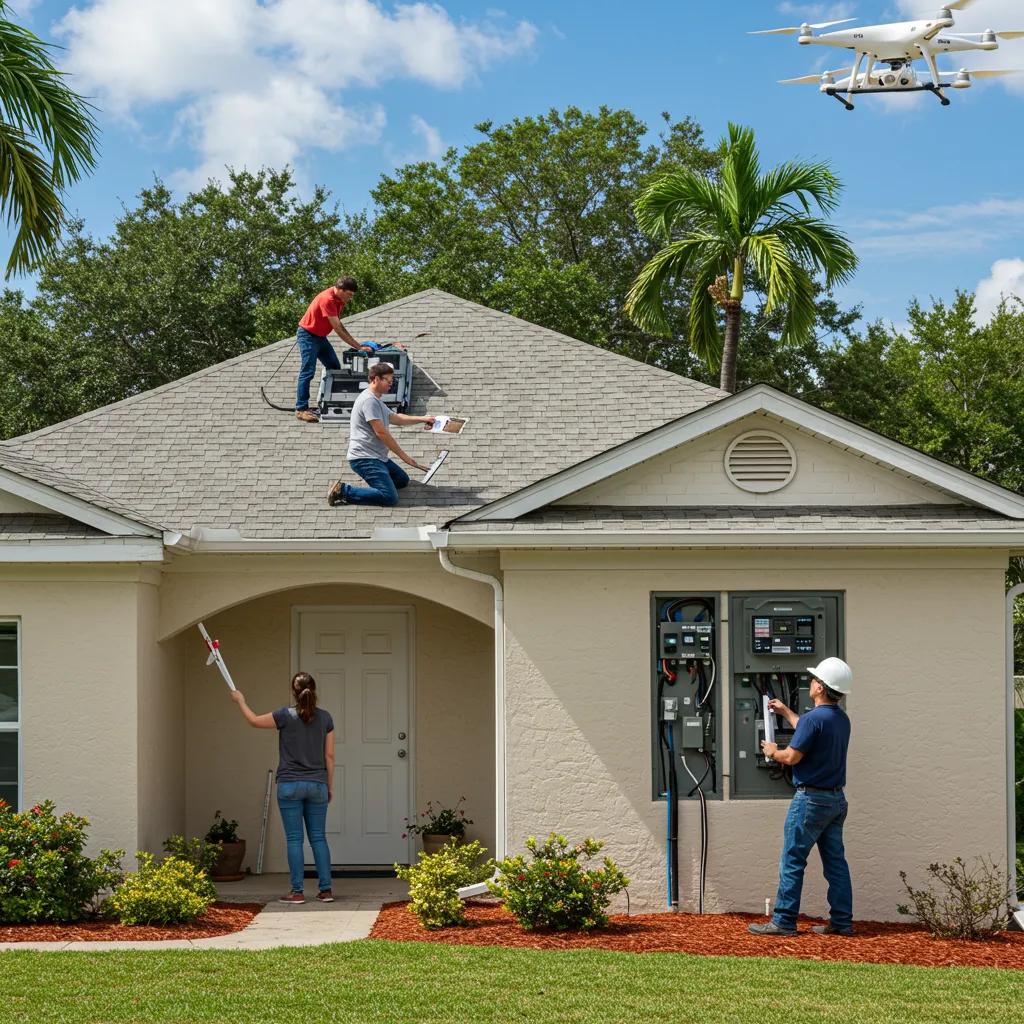
- Roof: Age, visible damage, and active leaks documented from ground, attic, or drone imagery.
- Electrical: Panel condition, wiring types, and observable safety hazards that raise fire risk.
- Plumbing: Pipe materials, leak evidence, and water heater condition that affect water damage exposure.
- HVAC: Operational status, system age, and venting/safety issues that affect habitability and claims.
These system definitions explain why insurers ask for a 4-point: they want a rapid, reliable snapshot of the home’s major risk drivers. For local expertise, Damngood Inspection performs Florida 4-point inspections led by Certified Master Inspectors who understand regional insurer thresholds and provide clear, insurance-ready reporting to support real estate transactions and renewals.
Which Florida Homes Typically Need a 4 Point Inspection?
Insurers commonly request 4-point inspections for older homes (20+ years), properties with unknown system ages, replacement policies, or homes with prior claims. Properties changing ownership or being listed for sale also commonly get inspected to streamline closing and insurance placement. Recognizing these triggers helps sellers and agents plan inspections early in a transaction.
What Is Included in the Florida 4 Point Inspection Checklist?
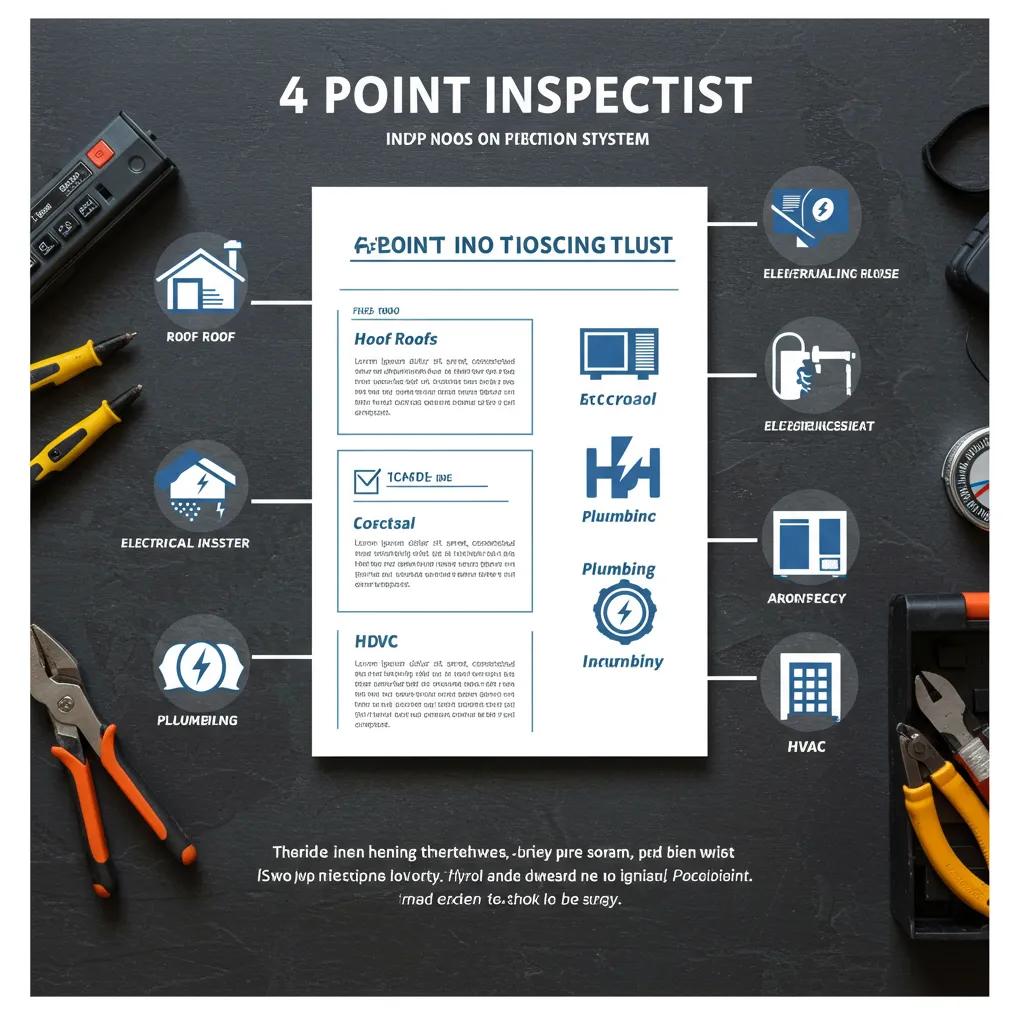
A practical 4-point checklist lists specific items inspectors document for each system and what insurers expect to see. Inspectors verify system age, condition, and obvious safety hazards, capturing photographs and concise narrative findings. Below is a quick checklist followed by a compact reference table.
The checklist inspectors use includes:
- Roof: document age, covering type, missing shingles, signs of leaks, and any prior patching.
- Electrical: record panel type, visible wiring materials, open junctions, and smoke detector presence.
- Plumbing: note pipe materials, visible leaks, water heater age, and evidence of past water damage.
- HVAC: confirm operation, report system age, and inspect venting and condensate drainage for problems.
The table below summarizes the four systems and the key attributes insurers typically evaluate during a Florida 4-point inspection.
This quick reference helps homeowners and agents prioritize which systems to document or remediate before insurer review. Damngood Inspection augments this checklist with infrared imaging and drone roof assessments when needed, which helps reveal hidden moisture and roof damage that standard visual checks can miss.
System-Specific Evaluation Details
Roof evaluation focuses on age, visible damage, and evidence of active leakage, which directly correlate with claim likelihood in Florida storms. Insurers often use roof age and condition to demand replacement or a roof certification.
Electrical assessment centers on the service panel condition, wiring types, and visible hazards that raise fire risk. Inspectors note knob-and-tube or aluminum wiring, overloaded panels, and exposed splices as serious concerns. Smoke detector placement is also checked.
Plumbing checks identify pipe materials, visible leaks, and water heater condition because these elements drive water-damage claims. Inspectors look for plastic piping issues, corroded fittings, active drips, and signs of prior water infiltration.
HVAC inspection confirms the system powers on, provides heating or cooling, and shows no unsafe venting or condensate problems. Inspectors record system age and flag safety issues like blocked combustion vents or electrical hazards.
What Common Issues Cause 4 Point Inspection Failures in Florida?
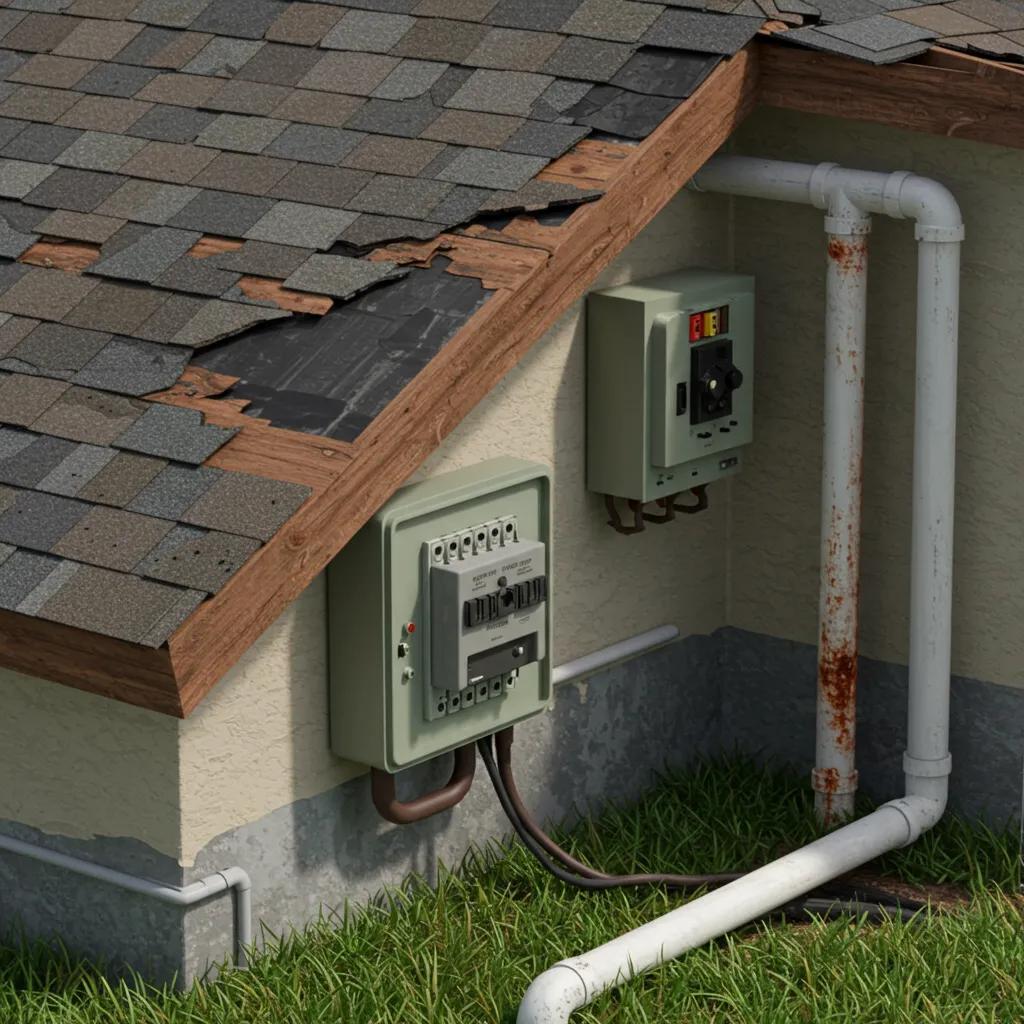
Several recurring defects frequently lead to conditional offers, higher premiums, or outright declines from insurers after a 4-point review. Identifying the top failure drivers helps homeowners address the highest-impact items first.
- Roof age and active leaks drive the most insurer concern in storm-prone Florida.
- Outdated or unsafe electrical systems, including aluminum wiring or DIY panels, raise fire risk flags.
- High-risk plumbing materials and evidence of repeated leaks amplify water-damage exposure.
- Non-operational, very old, or unsafe HVAC installations can lead to coverage conditions or denials.
These common issues each have different remediation paths; some are minor fixes while others require replacement or certification to satisfy underwriters.
Common Failure Points Explained
Roof age is a primary underwriting metric; older coverings are more likely to leak or fail in storms. Many carriers apply age cutoffs that trigger replacement or a recent roof certification.
Electrical failures most often stem from outdated wiring types (e.g., aluminum, knob-and-tube), overloaded or improperly modified panels, and exposed splices that present fire hazards. These commonly prompt insurers to request electrician remediation.
Plumbing problems that trigger failures include aging or problematic pipe materials, active leaks, and evidence of prior water damage. Visible corrosion, recurring leak repairs, and old water heaters typically require professional replacement or certified repair.
HVAC failures affect insurer decisions when units are non-operational, unsafe, or so old they pose high failure risk. Underwriters may require evidence of recent professional maintenance or request replacement.
How Can Homeowners Prepare for a 4 Point Inspection in Florida?
Preparation focuses on documenting system ages, fixing obvious safety hazards, and compiling evidence that demonstrates recent maintenance or repairs. A methodical approach reduces surprises during inspection and shortens insurer decision timelines.
- Gather documentation for system ages, permits, and previous repairs to show maintenance history.
- Clear roof debris, clean gutters, and photograph visible roof conditions for pre-inspection records.
- Ensure the electrical panel is accessible, label circuits, and replace non-working smoke detectors.
- Repair visible plumbing leaks, check under sinks for moisture, and service or document water heater status.
- Run HVAC systems and replace filters; have recent service receipts available for inspection evidence.
These preparation steps help focus repairs on insurer priorities and reduce conditional follow-ups. For homeowners who want hands-on assistance, Damngood Inspection offers pre-inspection advice and same-day reporting to help prioritize repairs and present findings to insurers quickly and clearly.
Preparation Tips for Each System
To ready your roof and exterior, remove debris, trim overhanging branches, and ensure gutters drain properly. Photograph any cracked or missing shingles and note the installation date. Small repairs can sometimes prevent conditional requirements.
For electrical systems, make the panel accessible, label breakers, and correct obvious safety hazards like exposed wiring. Replace nonfunctional smoke detectors and consider a licensed electrician for complex issues like aluminum wiring.
For plumbing, inspect visible pipes for leaks, tighten fittings, and clear under-sink spaces. Note pipe materials and consider professional replacement if high-risk materials are present. Documenting water heater age and service is also useful.
To ensure HVAC systems meet standards, run heating and cooling cycles to demonstrate operational status. Change filters and gather recent service records. Address visible venting obstructions or electrical issues with a qualified technician.
Florida 4 Point Inspection Costs and Insurance Implications
Costs for a 4-point inspection vary based on travel, home size, access complexity, and optional add-ons like infrared imaging or drone roof surveys. The results can affect premiums, coverage terms, or require repairs. Inspections are generally a modest fee relative to full home inspections.
The table below shows common cost drivers and the typical financial or policy impact tied to inspection outcomes.
Impact on Home Insurance Policies
Inspection outcomes can lead to acceptance, conditional acceptance with repair requirements, higher premiums, coverage exclusions, or denial. Insurers often request documented repairs or certifications (e.g., roof certification) to remove conditions. Homeowners who present timely repair documentation tend to receive more favorable underwriting decisions. Early inspection during a sale or policy renewal gives owners time to address issues before insurer deadlines.
4-Point vs. Full Home Inspection
A 4-point inspection focuses strictly on roof, electrical, plumbing, and HVAC for underwriting purposes, while a full home inspection covers structure, exterior, interior systems, and additional components. The 4-point is quicker and typically less expensive, aimed at insurer decision-making, whereas a full inspection supports buyer due diligence. Choose a 4-point when the insurer requests it; select a full inspection when buying or deeply evaluating a property’s overall condition.
For professional, insurance-focused 4-point inspections with advanced diagnostics and expedited, insurance-ready reports, Damngood Inspection provides Certified Master Inspector expertise across South and Central Florida — offering drone and infrared options and same-day reporting to help homeowners and agents move quickly during transactions.
Ready for Your Florida 4-Point Inspection?
Ensure your home meets insurer requirements with a thorough and reliable inspection. Get clear findings and prioritized repair guidance.
Frequently Asked Questions
What should homeowners do if their 4-point inspection fails?
Review the report to understand specific issues (roof age, electrical hazards, leaks). Prioritize repairs, hiring licensed professionals if needed. Schedule a follow-up inspection to document improvements, which aids in negotiating with insurers.
How often should homeowners get a 4-point inspection?
Consider an inspection every few years, especially for older homes or after significant system changes. It’s also wise before renewing an insurance policy or selling, to identify and address issues proactively.
Can homeowners choose their own inspector for a 4-point inspection?
Yes, but choose a qualified, licensed professional familiar with Florida’s insurance requirements. Look for certifications, positive reviews, and local experience for a thorough evaluation.
What documentation should homeowners prepare before a 4-point inspection?
Gather documentation for system ages, maintenance history, receipts for repairs, installation dates, and permits. Also, have recent service records for HVAC or plumbing available to facilitate the process.
What are the potential consequences of not completing a 4-point inspection?
Failure to complete a required inspection can lead to higher premiums, limited coverage, or outright denial. Insurers may also refuse claims related to uninspected systems, making compliance crucial for maintaining coverage.
Conclusion
Understanding Florida’s 4-point inspection requirements is essential for homeowners looking to maintain insurability and secure favorable insurance terms. By addressing key systems—roof, electrical, plumbing, and HVAC—homeowners can significantly reduce the risk of costly repairs and insurance complications. Taking proactive steps to prepare for inspections not only enhances property value but also streamlines the insurance process. For expert guidance and timely inspections, consider booking a service with Damngood Inspection today.