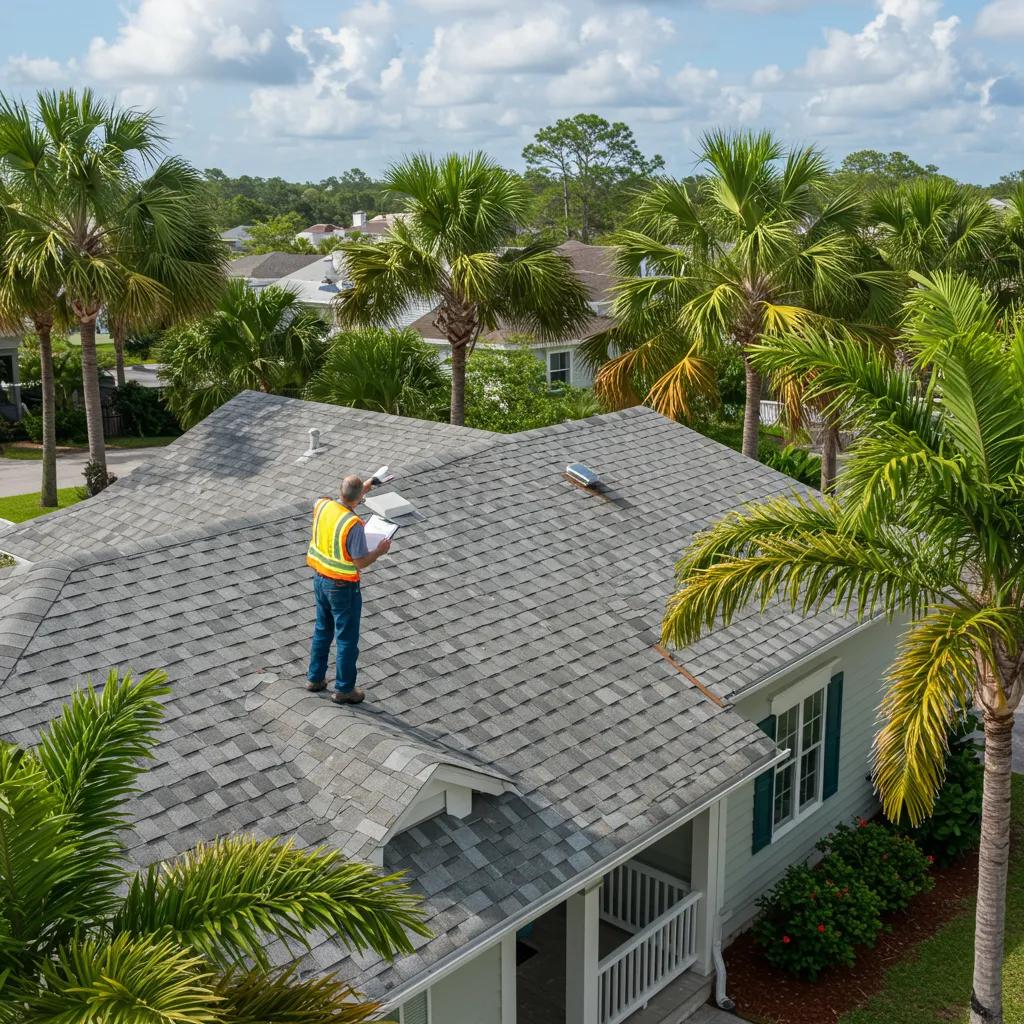
How to Choose the Best Florida Home Inspection Service
Quick Recap:
This article provides essential guidance on choosing a home inspection service in Florida, focusing on credentials, advanced technology, comprehensive reports, and Florida-specific inspections. Learn why Certified Master Inspectors, infrared imaging, drone assessments, and detailed same-day reports are crucial. Discover the importance of 4-point and wind mitigation inspections for insurance, and how local expertise impacts findings. Understand pricing factors and the value of a thorough inspection for smooth real estate transactions in Florida’s unique climate.
Choosing the right home inspection service provider means balancing technical credentials, local knowledge, and report clarity to protect your investment and close transactions smoothly. This article explains what to look for when comparing inspection service providers, with practical guidance tailored to real estate professionals and home sellers who need reliable, actionable findings. Written from the perspective of a Certified Master Inspector and trusted advisor, the guidance emphasizes credentials, technology, report features, and Florida-specific inspections that matter in humid, storm-prone climates. You will learn which qualifications matter, how infrared and drone imaging change outcomes, what a comprehensive report includes, which Florida inspections are essential, and how pricing and value compare across providers. The structure follows a step-by-step approach so agents and sellers can evaluate providers efficiently and use inspections as negotiation and disclosure tools. Relevant keywords like certified master inspector benefits, thermal imaging home inspection Florida, and 4-point inspection Florida are integrated throughout to help you find practical, local answers.
What Qualifications and Certifications Should You Look for in a Home Inspector?
A strong inspector profile combines state licensing, advanced certifications, and professional association memberships to signal competence, accountability, and continuing education. Licensing verifies baseline legal authority, while certifications like Certified Master Inspector indicate higher technical training and stricter report standards. Professional association memberships commit inspectors to standards of practice and ethics, reducing transactional risk and improving credibility. Beyond credentials, confirm E&O insurance coverage to protect transaction parties.
The essential checklist below helps you evaluate credentials quickly.
- State license: Verify legal authority and compliance with Florida requirements.
- Certified Master Inspector: Indicates advanced training and report quality.
- Association membership: InterNACHI or local realtor association shows continuing education.
- E&O insurance: Protects buyers, sellers, and agents from inspection-related disputes.
These credentials reduce uncertainty in negotiations and enable agents to present inspection findings with confidence.
Why Are Certified Master Inspectors Important for Florida Properties?
Certified Master Inspectors bring elevated technical training and a deeper understanding of regional construction patterns and weather-related damage. Their advanced coursework and experience help them spot hurricane-related vulnerabilities, deferred roof issues, and moisture-driven deterioration more reliably. That expertise translates into clearer prioritization of safety-critical items and evidence-based recommendations for negotiation. Verify the title through the inspector’s certifying body and ask for examples of similar Florida property inspections.
South Florida Age-Based Building Inspections: Benefits and Programs
The presented results highlight the potential benefits of age-based building inspection programs in South Florida, particularly in identifying properties that may require more frequent or specialized inspections due to their age and potential for deterioration. This approach can help ensure the safety and structural integrity of buildings in a region prone to specific environmental challenges.
Reporting on Age-Based Building Inspections Programs in South Florida, JA Bridge, 2025
This focus on advanced training naturally leads to examining how licensing and associations support credibility.
How Do State Licensing and Professional Associations Impact Inspector Credibility?
State licensing establishes a baseline of competency and legal accountability for inspectors in Florida, making it a non-negotiable verification step. Professional associations like InterNACHI require standards of practice and continuing education, keeping inspectors current on Florida building code changes. Memberships also provide ethical standards and consumer protections. Ask for license numbers, association affiliations, and proof of continuing education.
What Role Does Experience and Local Florida Knowledge Play in Choosing an Inspector?
Local experience matters because Florida’s climate and building types create recurring, region-specific defects that seasoned inspectors recognize quickly. Inspectors familiar with South and Central Florida patterns anticipate issues like attic moisture, hurricane-resistant construction, and common roof failures, speeding accurate identification. Ask candidates about their inspection count in the county, request recent Florida reports, and probe experience with storm-damage assessment. Local knowledge improves detection and strengthens negotiation with market-aware findings.
How Does Advanced Technology Improve Home Inspection Quality?
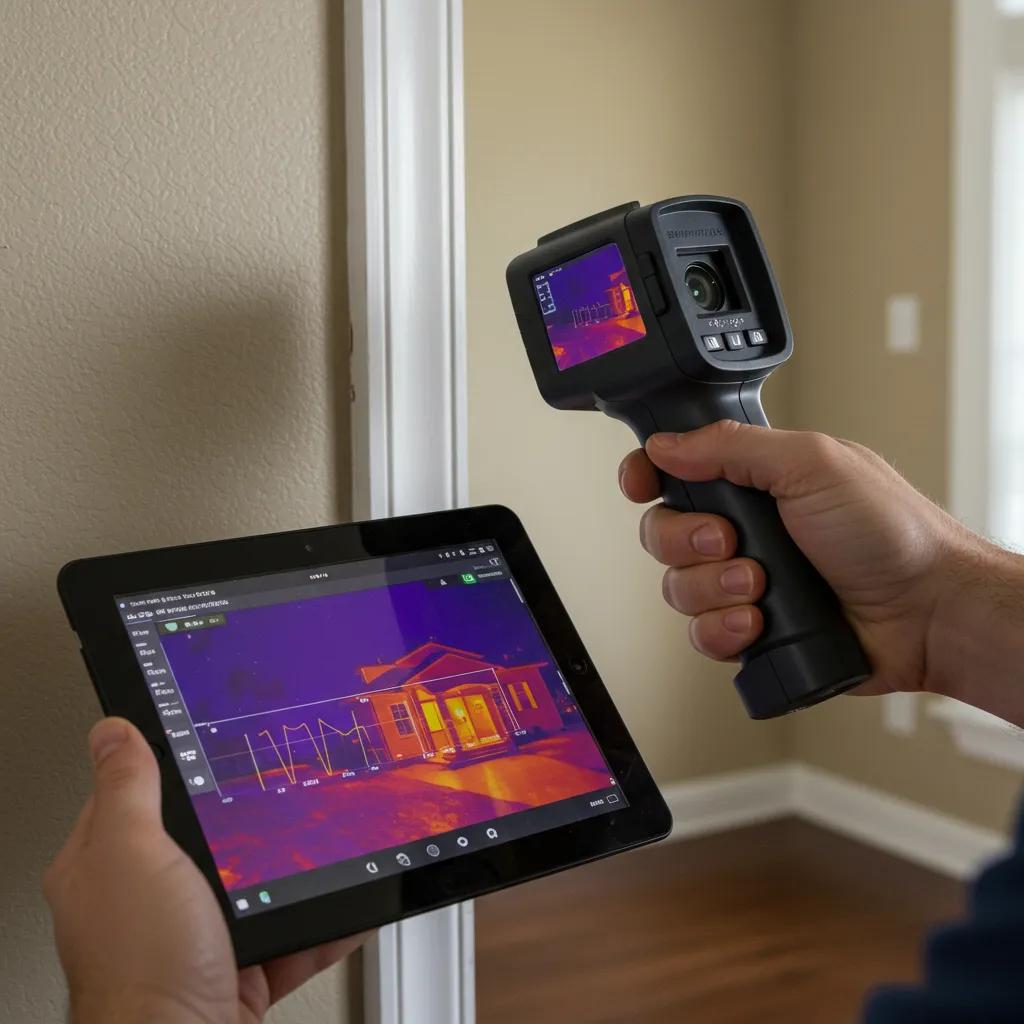
Advanced tools—infrared thermal imaging, drone roof imaging, and moisture meters—extend what a visual inspection can reveal by detecting hidden issues, documenting conditions, and improving safety. Infrared finds concealed moisture and insulation gaps, drones capture high-resolution roof imagery for steep or unsafe roofs, and moisture meters verify suspected water intrusion. These technologies reduce missed defects, provide clearer evidence for negotiations, and accelerate decision-making. Request providers who integrate these tools and ask how findings are documented.
Modern inspection technologies offer concrete benefits that translate to transaction outcomes.
- Infrared Thermal Imaging: Detects hidden moisture and insulation issues that visual checks can miss.
- Drone Roof Imaging: Provides safe, detailed photos and video of roof coverings and flashing.
- Moisture Meters & Hygrometers: Quantify moisture levels to support mold or water-intrusion findings.
Adopting technology strengthens documentation quality and helps agents and sellers prioritize repairs effectively.
What Are the Benefits of Infrared Thermal Imaging in Property Inspections?
Infrared thermal imaging identifies temperature anomalies indicating hidden moisture, missing insulation, or electrical hotspots, enabling precise intrusive testing. The tool converts thermal differences into visual maps, highlighting problem areas unseen by the naked eye. While interpretation requires skill, infrared scans reduce surprises during closing and provide evidence for repair negotiations. Ask whether thermal scans are included or available as an add-on for high-risk properties.
Infrared results naturally pair with roof-level imaging, which drones efficiently provide.
How Do Drone Inspections Enhance Roof and Hard-to-Reach Area Assessments?
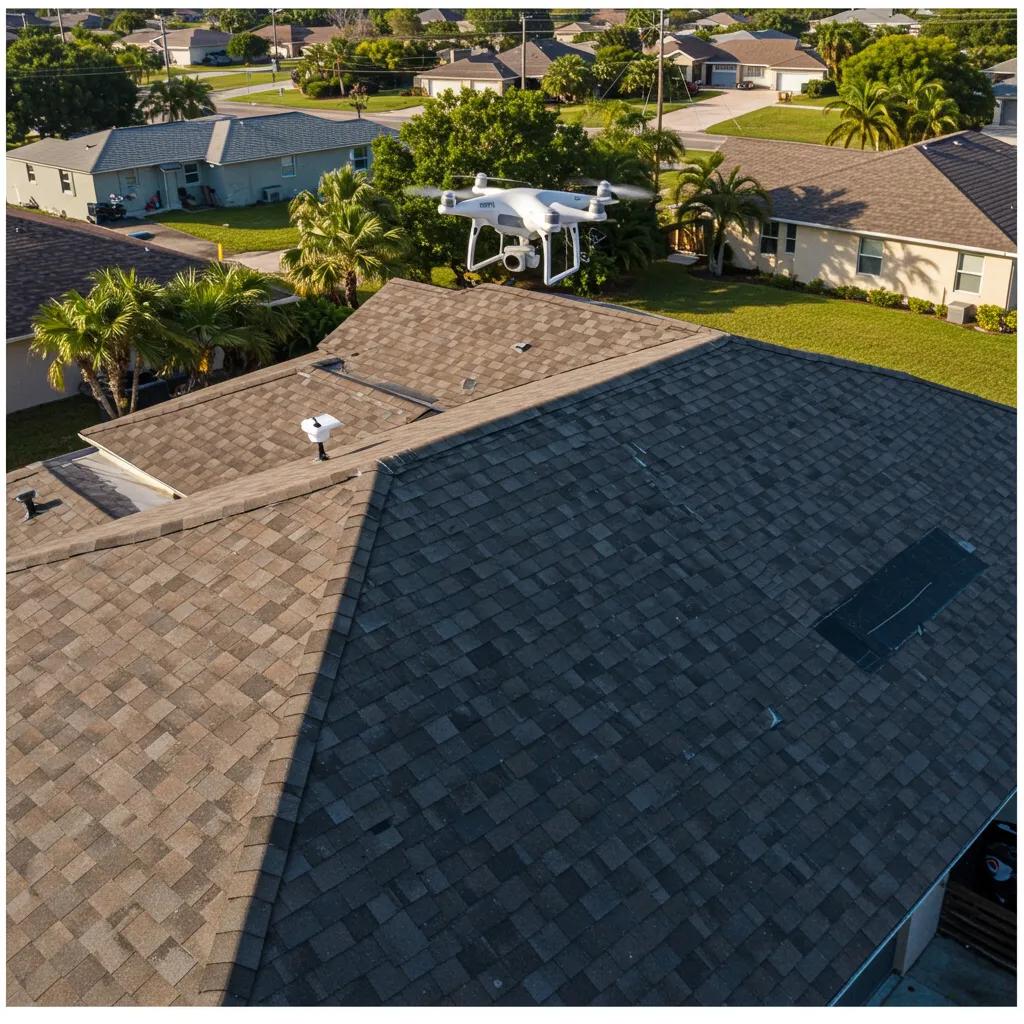
Drones capture high-resolution photos and video of roofs, gutters, chimneys, and other inaccessible features without endangering inspectors, producing evidence useful for bids and insurance discussions. For steep slopes or storm-damaged areas, drone imaging documents material condition and deterioration with precision. This visual record supports clear recommendations and often shortens contractor estimate times. Confirm drone usage, operator certification, and how imagery is integrated into the final report.
Drone imaging complements other technologies, and together they set providers apart from conventional visual-only approaches.
Why Is Technology Adoption a Key Differentiator Among Florida Inspection Services?
Technology adoption signals a provider’s commitment to thoroughness, faster turnaround, and stronger documentation, directly reducing transaction risk. Conventional visual-only inspections increase the chance of missed issues, whereas technology-augmented inspections provide objective evidence and quantifiable data. For agents and sellers, this results in clearer disclosures, faster negotiations, and fewer surprises. Prioritize providers who document technology use and include imagery and data in their reports.
What Should You Expect from a Comprehensive Home Inspection Report?
A comprehensive report should include an executive summary, prioritized findings, clear photos, actionable repair recommendations, and a documented turnaround time. Prioritization separates safety-critical issues from maintenance items, and photos plus technology evidence (thermal or drone images) make claims verifiable. Turnaround is critical: same-day digital reports let agents and sellers react quickly to findings and meet contingency deadlines. Sample reports help you compare readability and depth.
Below is a comparison of common report features and why they matter.
This table highlights why quick, clear, and evidence-rich reports reduce negotiation friction and support faster closings. Providers that offer sample reports make evaluation straightforward.
How Do Same-Day Detailed Reports Expedite Real Estate Transactions?
Same-day detailed reports shorten the feedback loop by delivering prioritized findings and photos while contract timelines are active, enabling quick, informed contingency decisions. Fast delivery supports timely contractor estimates and allows agents to present negotiation options without delay. In tight markets, meeting deadlines prevents stalled closings. Confirm typical turnaround and ask to see recent timestamps as examples.
What Key Findings and Recommendations Are Included in Damngood Inspection Reports?
Damngood Inspection’s reports prioritize safety-critical items, document significant defects with photos and technology evidence, and include actionable repair recommendations for negotiation and planning. Reports are designed for clarity and practical use by real estate professionals and home sellers, emphasizing items affecting habitability, safety, and insurability. The firm’s same-day delivery approach supports rapid transaction responses, and sample reports are available to compare depth and format. This combination helps agents and sellers make data-driven decisions.
How Can Sample Reports Help You Compare Inspection Services?
Sample reports reveal an inspector’s thoroughness, photo use, prioritization, and inclusion of technology evidence, which are hard to gauge from marketing language alone. Look for clear executive summaries, labeled photos, thermal/drone imagery, and contractor-friendly recommendations. Requesting sample reports lets you compare readability and determine if findings will support negotiation and disclosure needs. Always follow up with questions about any unclear items before booking.
Which Types of Home Inspections Are Essential for Florida Properties?
Florida properties face unique insurance and climate challenges that make certain inspection types essential: 4-point, wind mitigation, mold assessment, pre-purchase, and pre-listing inspections. These address insurance eligibility, storm resilience, moisture-related deterioration, and market-ready disclosures. Choosing the right combination protects transaction timelines and can influence premiums and buyer confidence. Below is a short list of common services relevant to Florida needs.
- Pre-Purchase Inspection: Comprehensive assessment for buyers to discover material defects.
- Pre-Listing Inspection: Seller-focused inspection to identify and proactively address issues.
- 4-Point Inspection: Examines roof, HVAC, electrical, and plumbing for insurance underwriting.
- Wind Mitigation Inspection: Documents storm-resistant features that may lower premiums.
- Mold Assessment & Environmental: Evaluates moisture issues and indoor air quality concerns.
These inspections map directly to common Florida risks and insurer requirements; ordering the appropriate set early avoids surprises during underwriting.
What Is Included in Pre-Purchase and Pre-Listing Inspections?
Pre-purchase inspections are buyer-focused, aiming to discover material defects across major systems to inform purchase decisions. Pre-listing inspections are seller-focused, prioritizing disclosure, targeted repairs, and staging for a smoother sale. Both can include Florida-recommended add-ons like wind mitigation, 4-point, WDO, and mold assessment, depending on property age and condition. Agents should advise clients on appropriate add-ons based on local risks and insurance requirements.
Why Are Wind Mitigation and 4-Point Inspections Critical in Florida?
Wind mitigation documents construction features that reduce storm damage risk, while 4-point inspections summarize major system conditions for insurers, especially on older homes. Results directly affect underwriting decisions and premium calculations, making them essential early in the transaction for hurricane-prone areas. Having these reports ready reduces last-minute insurer requests and provides clearer financial expectations. Schedule these inspections for homes older than typical insurance thresholds or with recent storm exposure.
When Should You Consider Mold Assessment and Environmental Testing?
Order mold assessment when there is visible mold, persistent moisture, a history of water intrusion, or occupant health concerns. High humidity, roof leaks, and prior flood events are practical triggers for environmental testing in Florida. Specialized testing is appropriate when visual inspection or moisture readings indicate conditions conducive to microbial growth. Use test results to prioritize remediation and support negotiations or disclosure statements.
How Do Inspection Costs and Service Value Compare Among Florida Providers?
Inspection pricing depends on objective factors—property size, age, roof complexity, and chosen add-ons like drone imaging or mold testing—which determine time and technical resources. Comparing providers means comparing included services and deliverables, not just the base price: faster turnaround, technology use, and sample-report quality can justify higher fees through reduced transaction risk. Agents and sellers should request clear itemized estimates and weigh the value of evidence-rich, same-day reports against lower-cost, basic inspections.
Below is a practical pricing-factor comparison to help interpret quotes.
What Factors Influence Home Inspection Pricing in Florida?
Primary drivers include square footage, number of systems, roof complexity, property age, and add-ons such as infrared imaging, drone inspection, or mold testing. Travel distance and specialized certifications may also affect quotes. Ask for line-item pricing and examples of similar properties to benchmark costs. Transparent pricing practices ease agent advising and help sellers budget for pre-listing repairs.
How Does Damngood Inspection Provide Transparent Pricing and Superior Value?
Damngood Inspection emphasizes same-day, detailed digital reports, use of infrared and drone imaging, and the credentialing of Certified Master Inspectors to support clear, timely results for agents and sellers. These features aim to reduce transaction friction by delivering evidence-rich reports and sample reports that demonstrate format and depth. The firm serves South and Central Florida and positions technology and report speed as practical tools for faster negotiations and better disclosure.
Why Is Investing in a Thorough Inspection Worth the Cost?
A thorough inspection reduces the risk of costly surprises, provides negotiation leverage, and protects long-term investment value by identifying safety-critical defects early. The cost of a missed major defect often far exceeds an inspection fee when repairs, insurance denials, or legal disputes arise. For agents and sellers, inspections that include technology and same-day reports translate into faster closings and clearer buyer confidence. Investing in quality inspection service is an upfront risk-management step that preserves value and speeds transactions.
Frequently Asked Questions
What should I do if my home inspection reveals significant issues?
If your home inspection uncovers significant issues, discuss findings with your real estate agent to understand implications. You may negotiate repairs, request a price reduction, or reconsider the purchase. Consulting specialists for further evaluations or repairs is also wise. Documenting findings strengthens your negotiation position.
What is the difference between a pre-purchase and a pre-listing inspection?
A pre-purchase inspection is for buyers to identify defects before finalizing a purchase. A pre-listing inspection is for sellers to uncover issues proactively. Both assess the property, but pre-purchase prioritizes buyer concerns, while pre-listing emphasizes seller readiness and transparency.
What should I ask my home inspector before hiring them?
Inquire about their qualifications (state licensing, Certified Master Inspector), experience with Florida properties, and specific technologies used (infrared, drone imaging). Request sample reports to assess clarity and thoroughness. Confirm report turnaround time and any follow-up services.
Conclusion
Choosing the right home inspection service provider is crucial for safeguarding your investment and ensuring a smooth transaction process. By prioritizing qualifications, advanced technology, and comprehensive reporting, you can make informed decisions that enhance negotiation leverage and buyer confidence. Don’t leave your property’s future to chance; take the next step by exploring our recommended inspection services tailored for Florida’s unique needs. Start your journey towards a
successful real estate transaction today.