Understanding the Importance of Home Inspection Reports
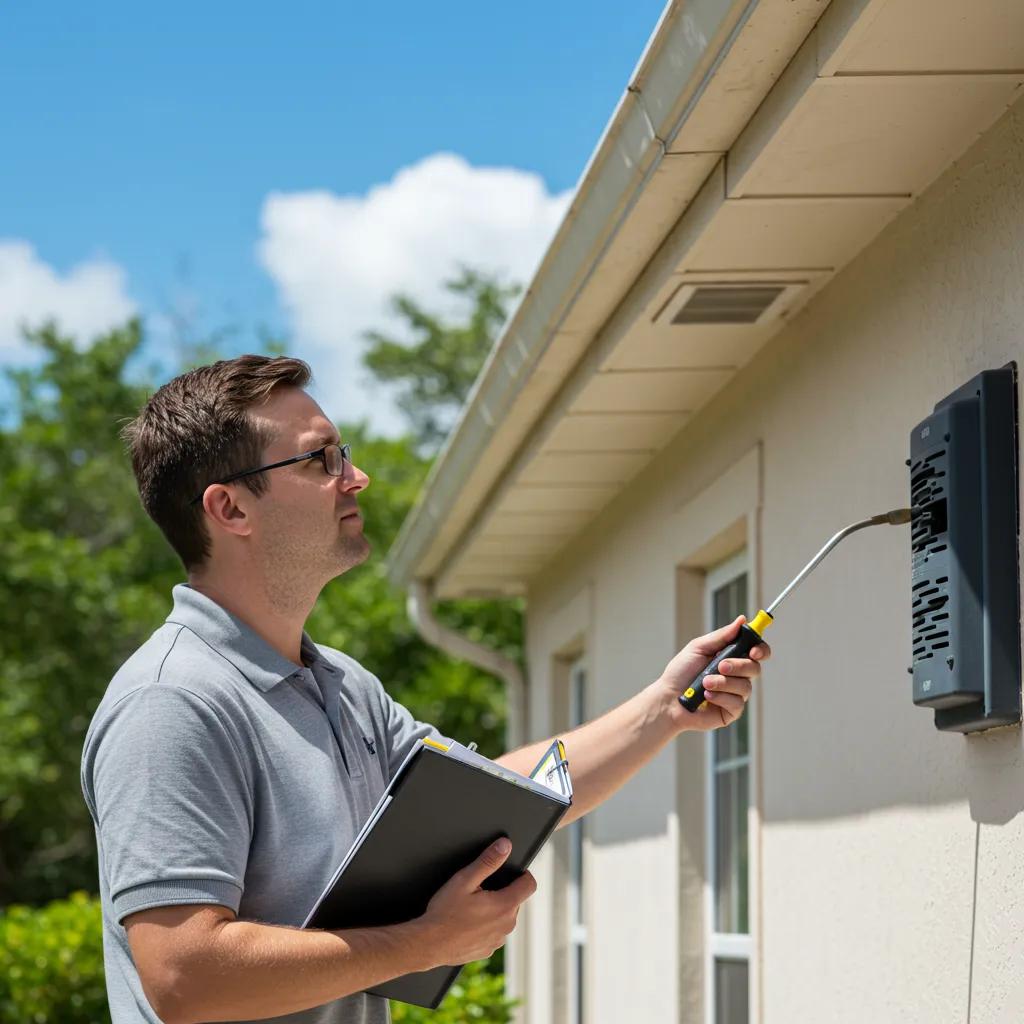
Home inspection reports are essential documents that provide a comprehensive overview of a property's condition. They highlight any issues found during the inspection process, ranging from minor repairs to major structural concerns, which can significantly influence a buyer's decision.
These reports serve as a critical tool for both buyers and sellers in real estate transactions. For buyers, they offer insights into potential future costs and necessary renovations, while sellers can use them to address issues proactively, making their property more appealing to prospective buyers.
Common Home Inspection Red Flags to Watch For
During a home inspection, certain red flags can indicate deeper issues that may require further investigation. Common concerns include significant water damage, foundation cracks, and outdated electrical systems, all of which can lead to costly repairs if not addressed promptly.
Being aware of these red flags can empower buyers to negotiate repairs or price adjustments before finalizing a purchase. Additionally, sellers can benefit from identifying and rectifying these issues beforehand to enhance the property's marketability.
How to Prepare Your Home for an Inspection
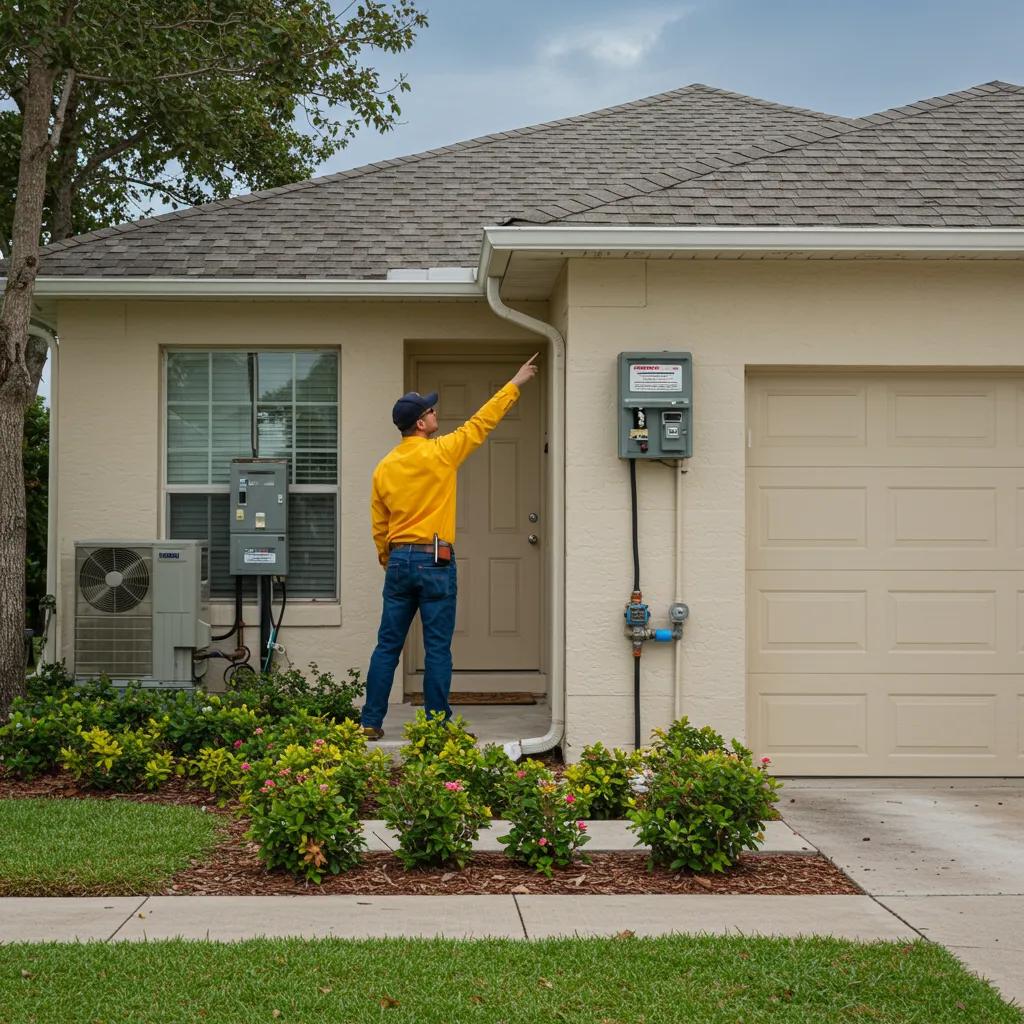
Preparing your home for an inspection is crucial to ensure a smooth process and favorable outcomes. Homeowners should declutter spaces, ensure all utilities are operational, and address minor repairs to present their property in the best light.
Additionally, providing easy access to key areas, such as the attic, basement, and crawl spaces, can facilitate a thorough inspection. Taking these steps not only helps the inspector but also demonstrates to potential buyers that the home has been well-maintained.
The Role of Home Inspections in Negotiating Real Estate Deals
Home inspections play a pivotal role in the negotiation process of real estate transactions. After receiving the inspection report, buyers can leverage the findings to negotiate repairs or financial concessions from the seller, ensuring they are not left with unexpected expenses post-purchase.
Sellers can also use the inspection results strategically; by addressing issues beforehand, they can present a more attractive offer and potentially increase the sale price. Understanding this dynamic can lead to more favorable outcomes for both parties involved.
Understanding the Importance of Home Inspection Reports
Home inspection reports are essential documents that provide a comprehensive overview of a property's condition. They highlight any issues found during the inspection process, ranging from minor repairs to major structural concerns, which can significantly influence a buyer's decision.
These reports serve as a critical tool for both buyers and sellers in real estate transactions. For buyers, they offer insights into potential future costs and necessary renovations, while sellers can use them to address issues proactively, making their property more appealing to prospective buyers.
Common Home Inspection Red Flags to Watch For
During a home inspection, certain red flags can indicate deeper issues that may require further investigation. Common concerns include significant water damage, foundation cracks, and outdated electrical systems, all of which can lead to costly repairs if not addressed promptly.
Being aware of these red flags can empower buyers to negotiate repairs or price adjustments before finalizing a purchase. Additionally, sellers can benefit from identifying and rectifying these issues beforehand to enhance the property's marketability.
How to Prepare Your Home for an Inspection
Preparing your home for an inspection is crucial to ensure a smooth process and favorable outcomes. Homeowners should declutter spaces, ensure all utilities are operational, and address minor repairs to present their property in the best light.
Additionally, providing easy access to key areas, such as the attic, basement, and crawl spaces, can facilitate a thorough inspection. Taking these steps not only helps the inspector but also demonstrates to potential buyers that the home has been well-maintained.
The Role of Home Inspections in Negotiating Real Estate Deals
Home inspections play a pivotal role in the negotiation process of real estate transactions. After receiving the inspection report, buyers can leverage the findings to negotiate repairs or financial concessions from the seller, ensuring they are not left with unexpected expenses post-purchase.
Sellers can also use the inspection results strategically; by addressing issues beforehand, they can present a more attractive offer and potentially increase the sale price. Understanding this dynamic can lead to more favorable outcomes for both parties involved.