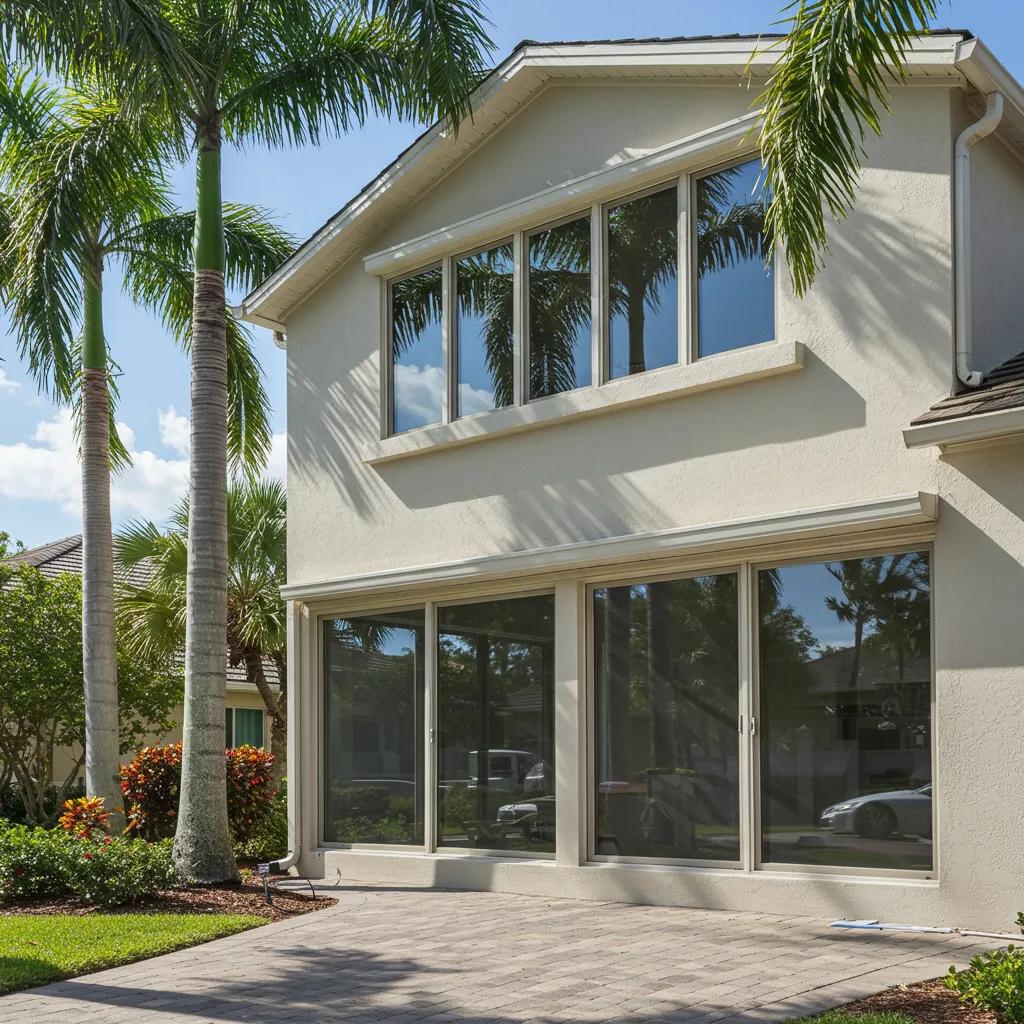
Benefits of Window Impact Ratings for Storm Protection in Florida Homes
This article delves into the critical role of window impact ratings (DP, PG, and missile levels) for Florida homes, detailing how these certifications ensure protection against hurricanes and storms. It covers their definition, testing, and real-world benefits, including structural integrity, water damage prevention, and year-round advantages like energy efficiency and noise reduction. We also explore how verified impact windows can lead to significant home insurance discounts and boost property value, offering practical advice for homeowners, real estate agents, and sellers on inspections, maintenance, and compliance with Florida Building Codes.
Florida homeowners face unique hurricane and storm exposure, making window impact ratings essential for protecting structures, possessions, and people. This guide explains DP, PG, and missile-level ratings, their real-world storm resilience, and what inspectors verify. You’ll learn how impact-rated windows reduce damage, offer year-round benefits like energy and noise reduction, and support insurance credits. We also cover inspection checklists, common installation defects, and maintenance for agents and sellers.
What Are Window Impact Ratings and How Do They Protect Your Home?
Window impact ratings classify a product by the wind pressure it can withstand and whether it passes debris (missile) testing. These ratings come from standardized laboratory tests that simulate wind pressure cycles and flying debris to predict field performance. A certified rating shows a window is more likely to stay intact under hurricane conditions, preserving envelope integrity and reducing risk of internal pressurization and water intrusion.
This comparison shows why both pressure and impact tests matter: one predicts wind-load resistance, the other prevents breach by debris.
What Is a DP Rating and Why Does It Matter for Storm Protection?
DP, or Design Pressure, quantifies the wind pressure a window assembly resists over many cycles in laboratory testing. Inspectors use the DP number to compare product capability with expected site wind loads and building-code thresholds. A correctly rated DP helps keep glazing and frame connections stable during gusts, reducing the chance of window failure and subsequent roof and attic damage.
How Does the PG Rating Affect Hurricane Window Performance?
PG, or Performance Grade, is a composite indicator focused on combined structural integrity and water infiltration under simulated conditions. PG ratings are sometimes reported on product literature where manufacturers emphasize dye or water testing outcomes in addition to structural tests. Inspectors look for manufacturer documentation and certification marks that list PG values when evaluating claims about leakage resistance during storms.
What Are Missile Level Ratings and Their Role in Impact Window Safety?
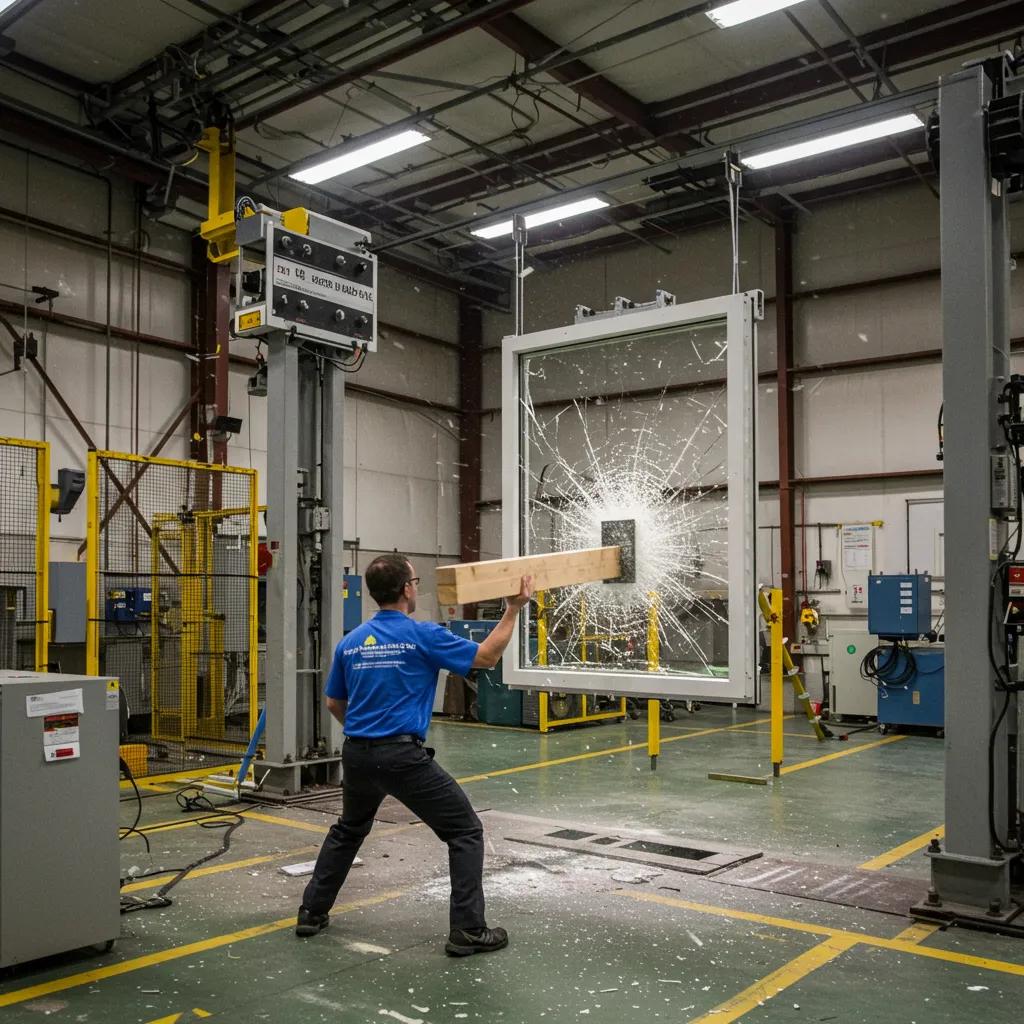
Missile level ratings determine whether glazing can withstand impact from projectiles of defined mass and shape, with the large-missile test designed to simulate a heavy flying 2×4. Coastal and high-velocity hurricane zones often require large-missile-rated products because debris impact risk is higher. Passing a missile test means the glazed system is less likely to fail catastrophically when struck, preserving the building envelope. For properties in Florida’s higher-risk zones, missile-level verification is a decisive factor during permitting and insurance assessment.
How Do Florida Building Codes Regulate Impact Window Ratings?
Florida Building Code sets the framework for when impact-rated products are required, with Miami-Dade Notice of Acceptance (NOA) and HVHZ (High Velocity Hurricane Zone) distinctions guiding local enforcement. Products used in HVHZ areas typically must carry specific NOAs and missile-impact documentation to meet code. Inspectors verify that installed windows match the documented rated product and that required labels or certification papers are present.
Florida Building Code Reduces Windstorm Losses Significantly
The 2001 Florida Building Code (FBC) became one of the strictest in the nation. We use 10 years of paid insured loss data to show that the FBC reduced windstorm losses by up to 72%, then use our results to conduct a benefit-cost analysis (BCA). The FBC passes the BCA by a margin of $6 in full reduced loss to $1 of added cost, with a payback period of approximately 8 years.(JEL Q54, Q58)
Economic effectiveness of implementing a statewide building code: The case of Florida, KM Simmons, 1992
How Do Impact Window Ratings Enhance Storm Protection and Home Safety?
Impact-rated windows protect homes by combining strong laminated glazing with reinforced frames and anchors, which together resist penetration and maintain pressure balance during storms. These systems work as part of the building envelope to prevent air and water infiltration, preserving roof and structural integrity. Beyond storms, rated windows deliver everyday advantages like reduced UV exposure, improved thermal performance, and increased security.
- Debris Deflection: Laminated glazing stops projectiles from breaching the opening and turning exterior debris into interior hazards.
- Frame Reinforcement: Reinforced frames and proper anchors maintain the window as a structural element, reducing deformation under pressure cycles.
- Water Infiltration Control: Designed drainage and gasketing limit water penetration during wind-driven rain, protecting finishes and substructure.
These mechanisms together explain why a rated window can prevent the cascade of failures that begins with a single broken opening.
How Do Impact Windows Prevent Structural and Water Damage During Storms?
Impact windows resist both direct impacts and the cyclic pressure fluctuations that can compromise openings during a hurricane. By staying intact, they prevent rapid interior pressurization that contributes to roof uplift and structural stresses. Intact glazing also keeps water out of the building envelope, avoiding rot, electrical damage, and mold growth. Inspectors verify installation quality since even rated products perform poorly if anchors or flashing are incorrect.
What Are the Passive Protection Benefits of Impact-Rated Windows Year-Round?
Rated windows deliver everyday benefits without action by the homeowner, including improved energy performance through better glazing and reduced solar heat gain. Laminated layers block a significant portion of UV radiation, protecting furnishings and finishes. These windows also remove the need to deploy shutters before storms, saving time and maintenance. Because they provide constant protection, impact windows reduce the ongoing cost and hassle of temporary storm preparations.
How Do Impact Windows Improve Home Security and Noise Reduction?
Laminated glass and reinforced frames increase resistance to forced entry and break-ins compared with single-pane glazing. The PVB interlayer holds fragments together, making breach attempts slower and more conspicuous. Simultaneously, laminated glazing offers measurable noise attenuation, improving indoor comfort. Inspectors check hardware, locks, and anchoring to ensure these security and acoustic benefits are realized.
Top Benefits of Window Impact Ratings for Florida Storm Protection
Verified impact-rated fenestration can translate directly into wind-mitigation credits from insurers when documentation confirms performance and installation. Insurance underwriters typically require third-party verification such as a wind mitigation inspection that records labels, NOAs, and anchor details. Credits vary based on insurer, zone, and combined mitigations, but verified windows commonly form a significant portion of allowable discounts.
This mapping shows why both product certification and installation verification are required to secure insurer credits.
What Insurance Savings Can Homeowners Expect from Certified Impact Windows?
Savings from verified impact windows vary, but examples show meaningful premium reductions when combined with other mitigations. Factors such as location (HVHZ vs non-HVHZ), roof condition, and insurer rules affect the total. A verified set of impact windows plus a compliant roof shape may lead to a significant annual premium reduction for a coastal property. Homeowners should use an inspector’s report as a negotiation tool with their carrier.
How Does a Wind Mitigation Inspection Verify Impact Window Ratings for Insurance?
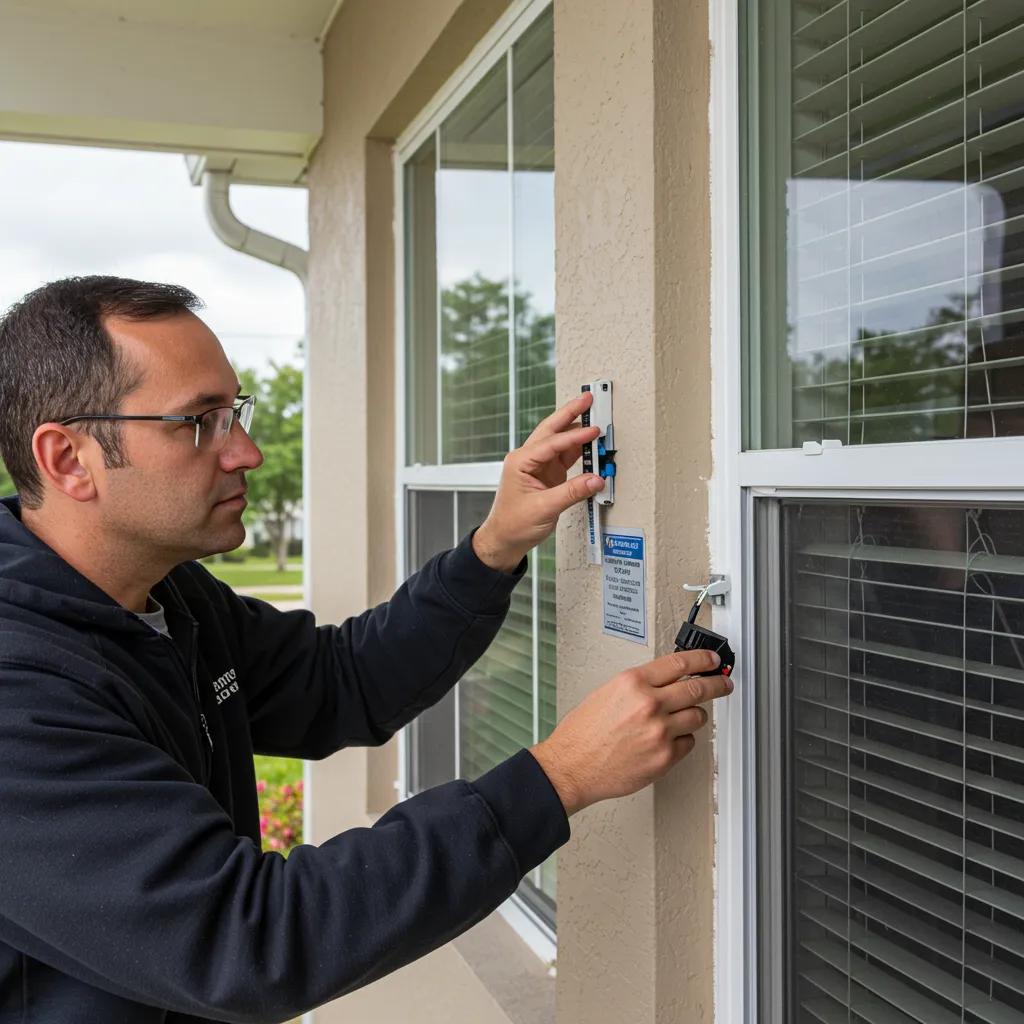
As an inspector, I verify labels, manufacturer documentation, and field attachment during a wind mitigation inspection. I document DP/PG numbers, missile-level evidence, and check for NOAs or equivalent certification where required. The final report shows the verified features clearly for insurers and lists any deficiencies that could affect credits. A thorough wind mitigation inspection converts product claims into actionable documentation for underwriting.
Are There Case Studies Showing Insurance Premium Reductions with Impact Windows?
Public statistics and industry analyses show that properly documented mitigation features can reduce premiums substantially. Anonymized scenarios commonly cited in market summaries show double-digit percentage savings when multiple mitigations are present. While results vary, a verified inspection is the consistent factor that enables insurers to apply credits. Homeowners and agents should view the inspection as the key deliverable that turns product performance into insurer-recognized savings.
Why Should Real Estate Professionals and Home Sellers Care About Impact Window Ratings?
Impact ratings increase buyer confidence, reduce perceived risk in listings, and can speed closings when documentation is available. Buyers in hurricane-prone markets compare properties by mitigation features, and verified windows are a tangible competitive advantage. Pre-listing wind mitigation reports let sellers demonstrate compliance and remove negotiation uncertainty. Agen
ts who advise on inspections can position listings as safer and more insurance-friendly.
Practical checklist for agents and sellers before listing:
- Obtain verification documents: Gather manufacturer certifications and any NOAs available.
- Order a pre-listing wind mitigation inspection: Confirm installed features and discover fixable items.
- Address minor defects proactively: Simple repairs often preserve or enhance inspection outcomes.
How Do Impact Window Ratings Boost Property Value and Market Appeal?
Impact ratings signal resilience and lower expected storm-related repair costs, which appeals strongly to buyers in coastal Florida markets. Rated windows improve perceived long-term value because they reduce the need for temporary measures like shutters and lower post-storm recovery risk. Agents can highlight verified ratings in marketing materials and during showings to frame the property as a lower-risk purchase.
What Should Home Sellers Know About Pre-Listing Wind Mitigation Inspections?
Sellers benefit from ordering a pre-listing wind mitigation inspection to identify minor defects and to produce a report for prospective buyers and insurers. Common fix-it items include missing labels, deteriorated sealant, and loose anchors that are typically straightforward to remedy. A rapid-turnaround report expedites listing readiness and reduces the timeline for negotiations. Preparing documentation upfront streamlines sales and reassures buyers.
How Can Real Estate Agents Advise Clients on Impact Windows and Storm Protection?
Agents should recommend verifying manufacturer ratings and ordering an independent wind mitigation inspection before listing or closing. Ask sellers for certification paperwork, and if absent, suggest a targeted inspection to establish documented protection. Use this inspector-sourced script with clients: request certified documentation, prioritize repairs to anchors and sealant, and obtain the mitigation report to present to buyers. These steps reduce transaction friction and enhance trust.
What Are Common Installation Issues and Maintenance Tips for Impact-Rated Windows?
Even rated products perform poorly if installed incorrectly or neglected; inspectors often find issues that compromise performance. Common defects include improper anchors, missing or unreadable labels, degraded sealant, and incorrect flashing. Regular maintenance in Florida’s salt and humidity environment preserves seals and hardware.
What Installation Defects Do Inspectors Look for in Impact Windows?
Inspectors routinely document anchor integrity, label presence, sealant condition, flushness of frames, and correct flashing. Each defect has performance implications: loose anchors reduce load transfer, missing labels prevent insurer verification, and compromised sealant leads to water infiltration. Photographic evidence of defects supports repair estimates and insurer discussions. A focused pre-listing inspection highlights repair priorities that yield the greatest protection and compliance benefit.
Inspection checklist for field verification:
- Confirm visible certification labels: Verify DP/PG and missile-level markings on the product.
- Check frame-to-structure anchoring: Ensure anchors match manufacturer specifications and show no movement.
- Inspect sealant and flashing: Look for cracks, voids, or failed beads that allow water entry.
- Test hardware and locking mechanisms: Confirm operational integrity and security function.
How Should Homeowners Maintain Impact Windows for Long-Term Storm Protection?
Routine maintenance preserves performance: clean weep holes, inspect and replace sealant when cracked, lubricate hardware, and rinse coastal salt buildup to slow corrosion. Schedule a professional check if frames show movement or water stains appear. Proactive upkeep maintains both functional protection and documentation value for insurance. Seasonal checks before hurricane season are a low-cost step that preserves long-term resilience.
Maintenance checklist — seasonal tasks:
- Spring and fall: Rinse frames and tracks, inspect sealant, and lubricate moving parts.
- After storms: Photograph and document any damage; schedule inspection if impacts occurred.
- Annual: Have an inspector or qualified technician test anchors and verify no label deterioration.
How Do Impact Windows Compare to Hurricane Shutters for Storm Protection?
Impact windows and shutters both reduce storm risk, but they differ in convenience, aesthetics, and long-term cost. Impact windows provide passive, always-on protection and improve resale appeal, while shutters can be less expensive initially and are useful where retrofitting is impractical. Choice depends on budget, timeline, and market expectations.
- Impact Windows: Passive protection, higher upfront cost, better resale value.
- Hurricane Shutters: Lower initial cost options, require deployment and storage, suitable for some retrofit scenarios.
- When to use each: Choose shutters for temporary retrofit needs; choose impact windows for permanent, low-maintenance protection and market appeal.
Need Professional Verification for Your Florida Property?
For sellers or agents seeking reliable verification, Damngood Inspection performs Wind Mitigation Inspections focused on accurate labeling, anchorage checks, and documentation. Our Florida-based Certified Master Inspectors serve South and Central Florida and deliver detailed reports designed to support listings and insurance submissions.
Frequently Asked Questions
What are the key differences between impact windows and traditional windows?
Impact windows are designed to withstand high winds and flying debris, essential for hurricane-prone areas. Unlike traditional windows, they feature laminated glass and reinforced frames for enhanced durability, preventing shattering. This design also offers improved energy efficiency and noise reduction.
How often should homeowners inspect their impact windows?
Homeowners should inspect impact windows at least twice a year (spring and fall). Checks should include seals, frame anchors, and weep holes. After any storm, inspect for damage. Proactive maintenance ensures effectiveness and preserves insurance eligibility.
Can impact windows be installed in existing homes?
Yes, impact windows can be retrofitted into existing homes. Consult a qualified contractor to assess feasibility, as structural modifications may be needed. Retrofitting significantly enhances storm protection, energy efficiency, and security.
What should homeowners do if their impact windows are damaged during a storm?
Document damage with photos for insurance. Contact a qualified inspector or contractor to assess and recommend repairs or replacements promptly to prevent further issues. Review your insurance policy for storm-related coverage.
Are there any financial incentives for installing impact windows?
Many insurance companies offer discounts for verified impact windows due to reduced storm risk. Some local and state programs may also provide incentives or rebates. Check with your insurer and local government for available options.
How do impact windows contribute to energy efficiency?
Impact windows enhance energy efficiency with multiple glass layers and insulating materials that reduce heat transfer, maintaining consistent indoor temperatures and lowering energy bills. Laminated glass also blocks significant UV radiation, protecting furnishings.
What is the typical lifespan of impact windows?
Impact windows typically last 20 to 30 years, depending on material quality, installation, and maintenance. Regular upkeep, like checking seals and cleaning frames, extends longevity. High-quality windows and proper care ensure long-term protection and value.
Conclusion
Understanding window impact ratings is crucial for Florida homeowners. These windows protect against storm damage, enhance energy efficiency and security, and can lower insurance premiums while increasing property value. Regular inspections and maintenance ensure long-term benefits and peace of mind. Fortify your home with impact-rated window solutions today.