Essential Insights on Mold and Pest Risks Before Buying Your New Home
By Fred Rodrigues, a Certified Master Inspector with thousands of mold inspections and Indoor Air Quality (IAQ) tests performed for homebuyers.
Article Recap: Essential Home Buying Insights
This guide offers critical insights for homebuyers, sellers, and real estate agents on identifying and addressing mold and pest risks in Florida homes. Learn common signs of mold and pests, understand health implications, estimate inspection and remediation costs, and navigate negotiation strategies. Discover how Florida’s climate impacts risks, the importance of WDO inspections, and when to engage Certified Master Inspectors for thorough assessments and actionable advice.
Buying a home demands assessing environmental risks like mold and pests, which impact health, value, and insurability. This guide, for homebuyers, sellers, and agents, covers recognizing mold and pest issues, understanding health effects, estimating Florida inspection and remediation costs, and navigating transaction steps. Learn visual signs, hidden mold locations, how Florida’s climate increases risks, and practical negotiation strategies. The article provides clear actions—from showing observations to professional testing and WDO inspections—to help readers act confidently. Discover Florida-focused advice, checklists, and tables to prioritize inspections and protect your investment.
What Are the Common Signs of Mold in a House?
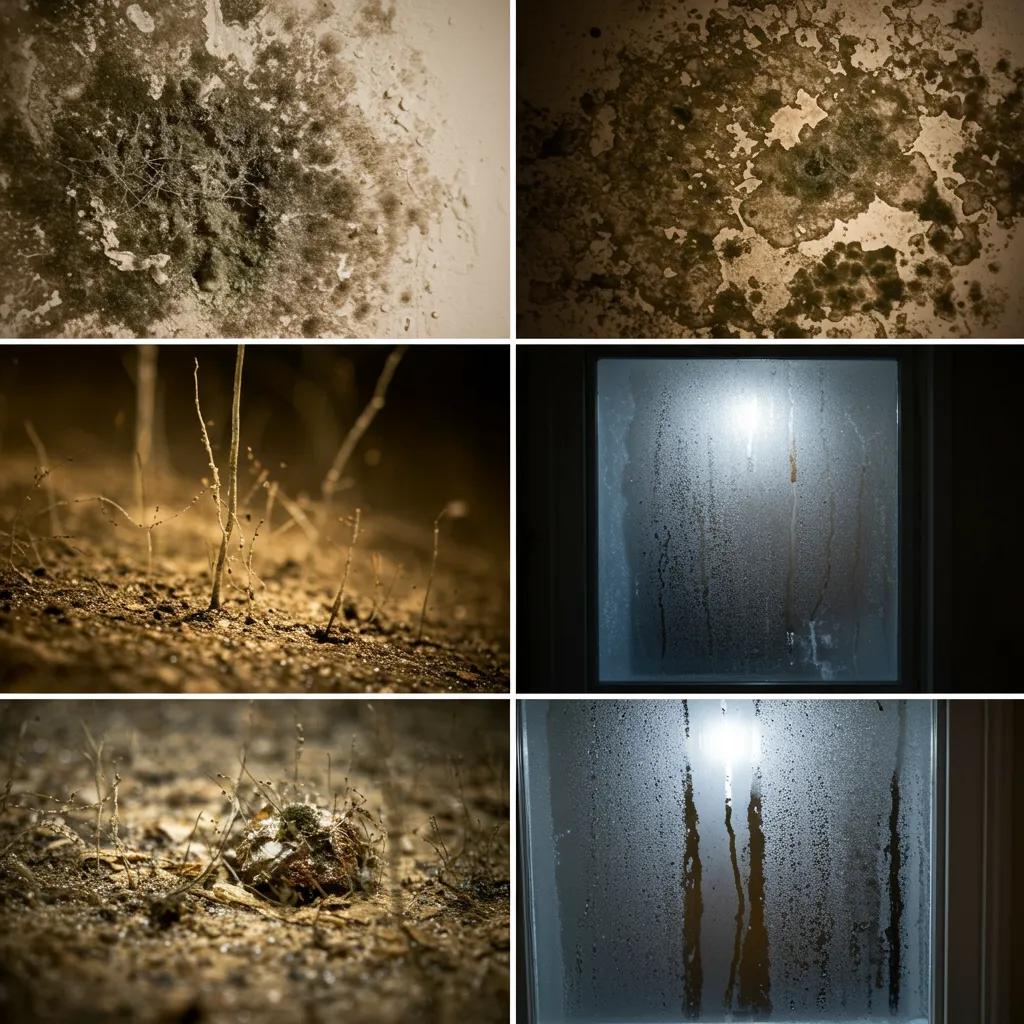
Mold, a fungus thriving in moist organic environments, often indicates water intrusion or poor ventilation. Early detection preserves indoor air quality and limits structural damage. Buyers and agents should watch for these common indicators during showings and inspections:
- Visible discolored growth on surfaces such as walls, ceilings, and insulation that looks spotty, fuzzy, or patchy.
- Persistent musty or earthy odors that remain after airing out rooms and indicate hidden microbial growth.
- Staining or peeling paint and warped or soft drywall where moisture has been present.
- Condensation buildup on windows, HVAC ductwork, or in crawlspaces that points to chronic humidity issues.
These signs should prompt a closer visual inspection and often lead directly to targeted testing or a professional mold assessment.
How Can You Visually Identify Mold Growth?
Visually identify mold by its color (black, green, white, brown), pattern, and texture (powdery, slimy, furry). Examine areas where moisture collects, like behind appliances or under sinks. Avoid disturbing suspected mold. If found, sampling or a professional assessment is warranted to determine species and concentration, guiding testing and remediation.
What Does a Musty Odor Indicate About Mold Presence?
A persistent musty odor signals microbial volatile organic compounds (mVOCs) from hidden mold. This justifies targeted inspections of concealed spaces like attics, crawlspaces, and wall cavities. Odor detection leads to moisture mapping and, if warranted, air or surface sampling to confirm contamination and guide remediation.
Where Is Hidden Mold Most Likely to Be Found?
Hidden mold thrives in attics, crawlspaces, wall cavities, under flooring, and HVAC systems due to limited airflow and moisture. Clues include discoloration at roof penetrations, rust on HVAC, and subfloor stains after leaks. Locating hidden mold often requires tools like moisture meters or thermal imaging before sampling or remediation.
How Does Water Damage Contribute to Mold Growth?
Water damage from leaks, floods, or high humidity creates ideal conditions for mold colonization within 24–72 hours, significantly increasing risk. Understanding the water source helps determine remediation scope and prevent recurrence. Identifying damaged materials and repair history informs inspection priorities and strengthens negotiation during a sale.
How Much Does a Mold Inspection Cost in Florida?
Mold inspection costs in Florida vary by depth, sampling needs, and property size, reflecting whether it’s a visual assessment or includes lab analysis. Key price drivers are square footage, sample count, accessibility, and advanced tools like thermal imaging. This comparison helps buyers understand common inspection packages.
Different inspection levels and their typical inclusions:
What Factors Influence Mold Inspection Pricing?
Pricing factors include sampling, number of locations, lab turnaround, specialized tools (infrared cameras, moisture meters), travel, urgency, and inspector credentials. Certified examiners provide more defensible reports. Understanding these helps buyers get precise quotes and weigh faster reporting and credentialed inspectors.
Are There Additional Costs for Mold Remediation?
Remediation costs depend on contamination extent, affected materials, and structural repairs. Simple cleanups are cheaper than extensive removal of drywall, insulation, or HVAC cleaning. Costs vary by square footage and containment needs. Remediation planning follows assessment findings, providing clear scopes for negotiation.
How Does Damngood Inspection Provide Value with Same-Day Reports?
Damngood Inspection, led by Certified Master Inspectors, offers same-day reports combining visual assessment, thermal imaging, and moisture meters. This accelerates decision-making for agents and buyers, allowing quick risk assessment and contingency responses. Certified Master Inspector credentials add credibility to negotiations and insurance discussions, making remediation planning efficient for tight timelines.
Florida Termite Inspections & Top Pest Risks
Florida’s warm, humid climate fosters pests like termites, ants, rodents, and cockroaches, threatening structural integrity. WDO (wood-destroying organism) inspections are often required for real estate and insurance, documenting infestations or damage. The table below maps common pests, signs, and inspection methods to help buyers prioritize evaluations.
Common pests, signs, and inspection results:
Which Pests Are Most Common in Florida Homes?
Termites are prevalent due to moisture and wood-to-soil contact; rodents and arthropods exploit gaps and humidity. Prevention includes reducing wood-to-soil contact, fixing moisture issues, and maintaining seals. Persistent signs require professional pest control and WDO inspection. Early recognition allows buyers to request targeted inspections and negotiate treatment.
What Is a WDO Inspection and Why Is It Important?
A WDO inspection surveys for active wood-destroying organisms, past damage, and conducive conditions, often required by lenders and insurers. Reports detail infestation presence/absence and visible structural damage, informing contingency decisions. WDO findings can impact closing timelines and repair obligations, making this inspection a crucial risk-management step in Florida.
How Can You Spot Signs of Termite Damage?
Spot termite damage by mud tubes, hollow-sounding wood, blistered paint, or discarded wings. These signs warrant a professional WDO inspection, as advanced damage can be concealed. Early detection preserves structural components and provides negotiation leverage for remediation before closing.
What Are the Health Effects of Mold Exposure for Homebuyers?
Mold exposure triggers respiratory and allergic reactions, with severity depending on mold type, duration, and occupant vulnerability (children, elderly, immunocompromised are higher risk). Understanding health implications helps buyers prioritize inspections and remediation when symptoms or susceptible occupants are present. The table below matches mold groups to health effects and recommended actions.
Which Mold Types Pose the Greatest Health Risks?
While ‘black mold’ is imprecise, certain species produce allergens or irritants exacerbating asthma and allergies, affecting sensitive individuals. Public health agencies prioritize exposure control and moisture removal over species identification, as reducing dampness addresses most health risks. If occupants report symptoms correlating with property time, a professional mold assessment is crucial.
What Symptoms Should Homebuyers Watch For?
Watch for persistent coughing, wheezing, sinus congestion, eye irritation, and headaches that improve away from the home, suggesting an indoor source. If respiratory issues or allergic reactions worsen, prioritize inspection and consider medical consultation for vulnerable occupants. Symptom patterns during visits help correlate findings and recommend testing.
When Should You Consult a Certified Master Inspector for Mold Assessment?
Consult a Certified Master Inspector for visible mold beyond small areas, persistent musty odors, after significant water events, or when health symptoms correlate with home time. CMIs offer documented methods, tools (thermal imaging, moisture meters), and defensible reports for negotiation and insurance. A credentialed inspector ensures thorough, actionable findings for remediation planning.
How Should Homebuyers Handle Mold and Pest Issues When Buying a Home?
Upon finding mold or pests, buyers can negotiate seller remediation, price concessions, escrow for repairs, or terminate the contract for severe issues. The best path depends on contamination extent, timeline, and risk. A structured approach—documenting findings, getting estimates, agreeing on scope, and scheduling re-inspection—protects health and value while moving transactions forward. Here are practical options:
- Request seller-completed remediation with receipts and a follow-up inspection when contamination is moderate and can be fixed before closing.
- Negotiate a price reduction or repair credit when remediation timing or logistics make immediate seller fixes impractical.
- Use escrow or holdbacks for complex repairs tied to certified remediation completion and re-inspection.
- Walk away if inspections reveal severe structural or health hazards that materially affect safety or long-term value.
These negotiation paths set up clear expectations and timelines, leading into considerations about disclosure and legal obligations in Florida transactions.
What Are Your Options If Mold or Pests Are Found During Inspection?
Options include seller remediation with documentation, financial concessions, professional re-inspection, or rescinding the offer, aligning with damage scope and buyer risk tolerance. Written estimates and timelines help evaluate feasibility and ensure remediation standards. Clear documentation and re-inspection provide assurance before closing.
How Do Florida Mold Disclosure Laws Affect Homebuyers and Sellers?
Florida requires sellers to disclose known material defects, including conditions affecting habitability or value, though mold specifics vary. Buyers must review disclosures and corroborate with inspections. Disclosure obligations impact negotiation, so real estate and legal advisors are recommended. Understanding these expectations guides whether to accept seller representations or insist on independent assessments.
Why Is Partnering with Certified Master Inspectors Beneficial for Real Estate Transactions?
Partnering with Certified Master Inspectors yields authoritative, defensible reports, aiding agents and sellers in timely decisions and negotiations. CMIs use advanced detection (thermal imaging, moisture meters) for faster issue identification, and same-day reporting speeds contingency responses. Credentialed inspectors streamline remediation planning and protect health and investment value for buyers and sellers needing documentation for lenders and insurers.
Frequently Asked Questions
What Should Homebuyers Know About Mold Testing Procedures?
Mold testing typically involves visual inspection followed by air or surface sampling to identify types and concentrations. It’s recommended when visible mold or musty odors are present. Certified professionals use specialized equipment for samples, analyzed in a lab. Understanding this helps buyers make informed remediation and health risk decisions.
How Can Homebuyers Protect Themselves from Pest Infestations?
Protect against pests by thorough inspections and WDO inspections. Look for signs like droppings or wood damage. Maintain cleanliness, seal entry points, and address moisture. Consider pest control warranties for ongoing protection.
What Are the Long-Term Effects of Mold Exposure on Health?
Long-term mold exposure can cause chronic respiratory issues, allergies, and other health problems, especially in sensitive individuals. Symptoms include persistent coughing, sinus infections, and skin irritations. Promptly addressing mold is crucial for health and well-being.
What Steps Should Be Taken If Mold Is Discovered After Purchase?
If mold is found post-purchase, document findings and assess extent. Consult certified remediation professionals for a plan. Review warranties or insurance. Legal counsel may be needed if mold was undisclosed, affecting liability.
How Can Homebuyers Ensure Proper Remediation of Mold Issues?
Ensure proper remediation by hiring certified professionals following industry standards. Obtain a detailed plan covering containment, removal, and post-remediation verification. Schedule follow-up inspections to confirm effectiveness. Clear communication and best practices protect home value and health.
What Are the Most Effective Prevention Strategies for Mold Growth?
Prevent mold by controlling indoor humidity, ensuring proper ventilation, and promptly addressing leaks. Use dehumidifiers, especially in humid areas like Florida. Regularly inspect moisture-prone areas and ensure proper drainage. These strategies significantly reduce mold risk.
Conclusion
Understanding mold and pest risks is crucial for Florida homebuyers. Recognizing infestation signs protects health and investment value during real estate transactions. Engaging certified professionals for inspections and remediation provides thorough assessments and actionable insights. Safeguard your future home by exploring resources and connecting with experts today.