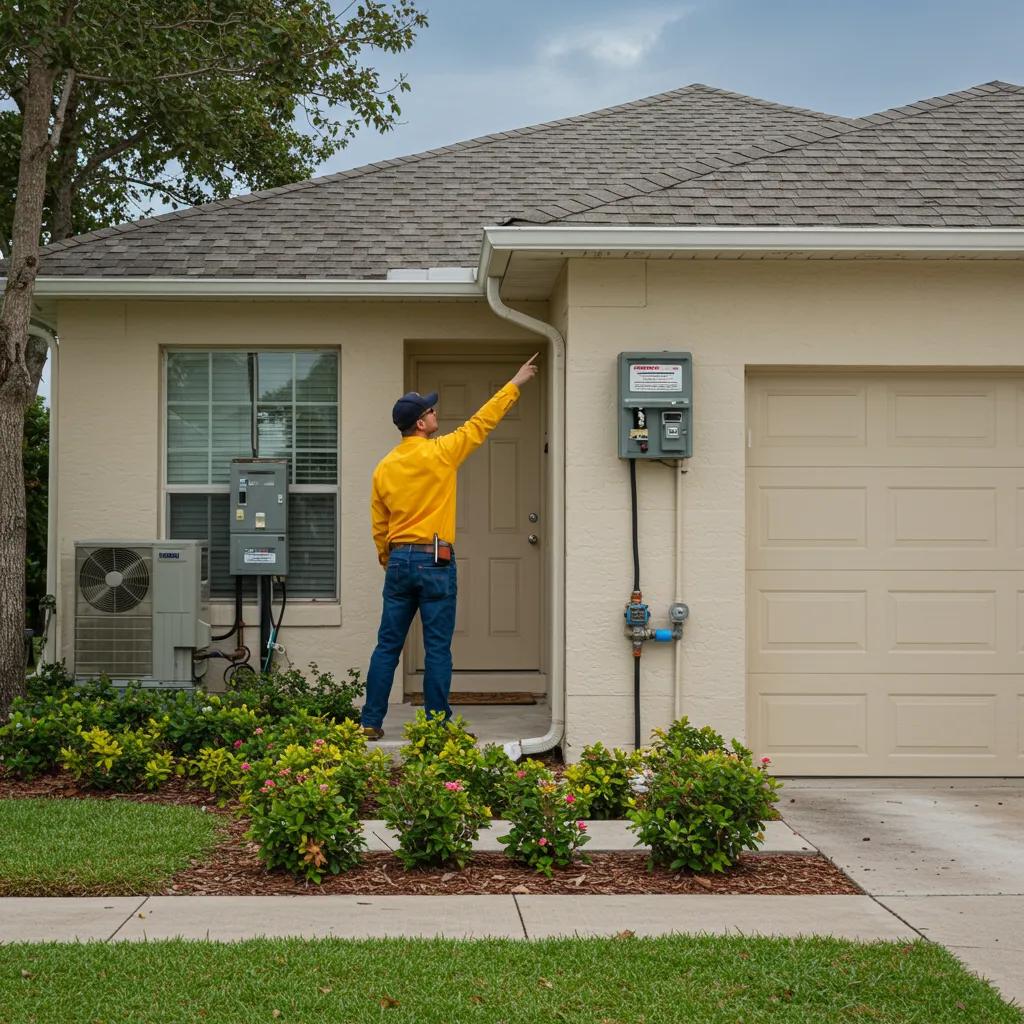
Florida 4-Point Inspection Requirements: What You Need to Know
By Fred Rodrigues, Certified Master Inspector with thousands of 4 Point Inspections done in Central Florida and South Florida.
Article Recap: A 4-point inspection is crucial for Florida homeowners and real estate professionals, evaluating the roof, electrical, plumbing, and HVAC systems. This guide explains why insurers require it, what each system assessment entails, common issues that affect eligibility, and how to prepare to ensure smooth transactions and favorable insurance outcomes in Florida’s unique climate.
A 4-point inspection is a concise, insurance-focused property review that evaluates the roof, electrical, plumbing, and HVAC systems to determine current condition and risk to insurers. This guide explains what a 4-point inspection covers in Florida, why carriers require it, and how findings affect coverage, premiums, and real estate transactions. Real estate professionals and home sellers will learn typical insurer age cutoffs, failure modes that trigger denials, and practical prep steps to speed closings and preserve value. The article maps the inspection scope, Florida-specific concerns, and red flags insurers expect. By the end, you’ll have checklists, comparison tables, and actionable tips to reduce contingency risk and maximize insurance outcomes.
What Is a 4 Point Inspection and Why Is It Required in Florida?
A 4-point inspection is a targeted property assessment focusing on four major systems—roof, electrical, plumbing, and HVAC—to help insurers evaluate systemic risk and price or accept coverage. Inspectors document system age, visible condition, safety hazards, and defects; insurers use this to underwrite policies, set deductibles, or require repairs. For Florida properties, it often determines eligibility for older homes or when prior claims suggest elevated loss potential, making it a common requirement for policy issuance or renewal.
What Does a 4 Point Inspection Cover?
A standard 4-point inspection checks four systems for age, operation, signs of failure, and safety hazards. Roof evaluation looks at material, age, and evidence of leaks; electrical checks panel condition, wiring type, and grounding; plumbing focuses on pipe materials, visible leaks, and water heater condition; HVAC inspection verifies age, operation, and combustion or refrigerant issues. Inspectors identify active defects and chronic risk factors insurers consider, creating a concise report for underwriting.
Why Do Florida Insurance Companies Mandate 4 Point Inspections?
Florida insurers mandate 4-point inspections to reduce surprise losses and identify underwriting-level hazards that increase claim frequency or severity. The four-system focus isolates large-loss exposures—roofs during storms, faulty electrical systems causing fires, plumbing failures leading to water damage, and HVAC systems with safety risks—that historically drive major claims. Insurers also use system ages and deferred maintenance evidence to assign risk tiers or require remedial action. Addressing common insurer concerns before listing can prevent last-minute repair demands.
How Long Is a 4 Point Inspection Report Valid in Florida?
A 4-point inspection report’s validity varies by carrier but commonly ranges from one to three years. Many insurers accept reports up to three years old for relatively new systems but require more recent documentation if systems approach typical cutoff ages or show deterioration. Agents should confirm the carrier’s acceptance window early to avoid delays. Securing a current inspection with clear multimedia documentation reduces insurer pushback.
What Are the Florida Roof Requirements for a 4 Point Inspection?
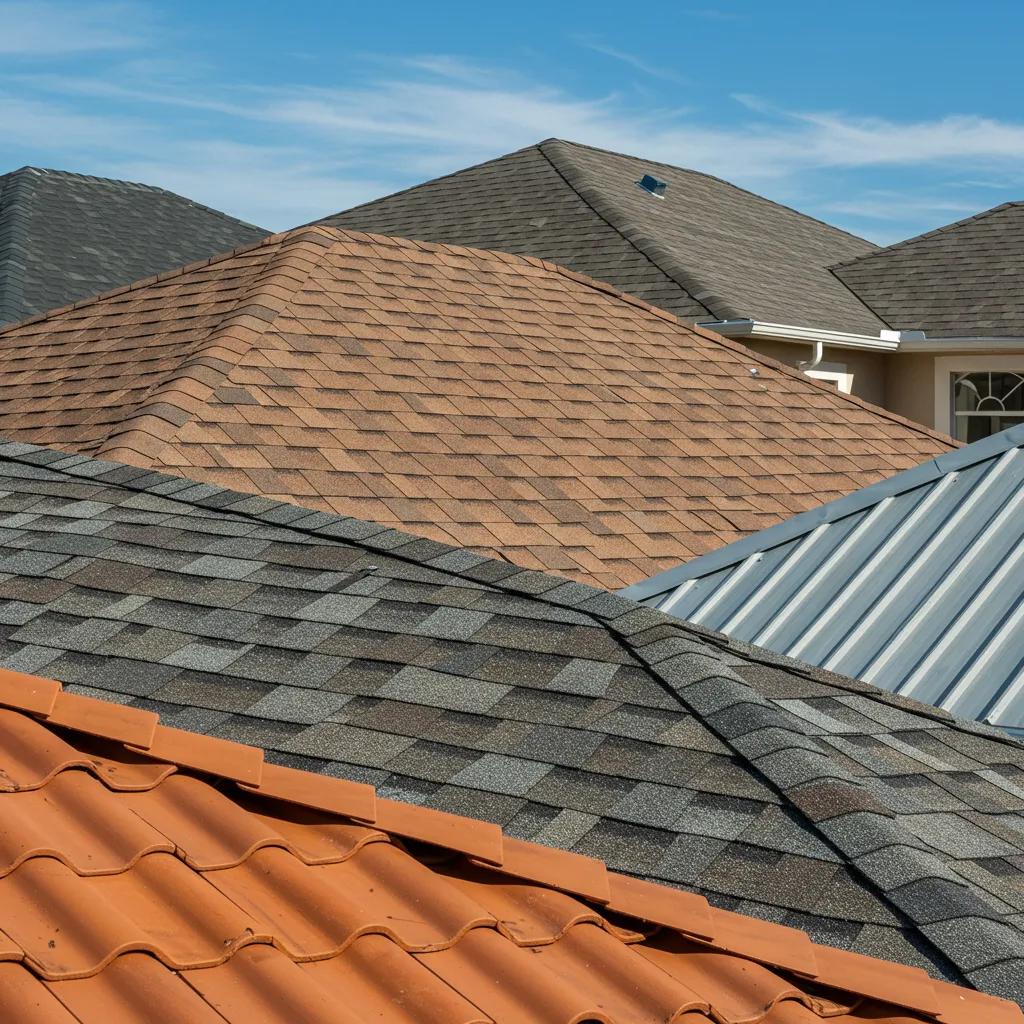
Roof condition is a decisive factor in Florida 4-point inspections due to storms and salt-air corrosion. Insurers review roof material, installation quality, visible damage, evidence of leaks, and approximate age. Coastal properties face additional scrutiny. A concise report with dated HD photos and drone imagery clarifies condition for underwriters.
What Roof Materials and Ages Are Accepted by Insurers?
Insurers set age thresholds and material preferences based on durability and loss patterns. Knowing typical cutoffs helps sellers prioritize actions. Common insurer preferences and approximate age cutoffs are:
When roof age is borderline, photographic proof of recent repairs or a drone roof survey can influence insurer decisions.
What Common Roof Issues Affect Insurance Eligibility?
Insurers commonly flag missing or curling shingles, active leaks, ponding on low-slope roofs, damaged underlayment, and corroded flashings. Proactive remediation like replacing damaged shingles and repairing flashing reduces insurer risk perception. For coastal homes, treating metal components and recording corrosion mitigation steps can be decisive.
How Does Florida’s Climate Impact Roof Condition?
Florida’s high humidity, UV exposure, salt air, and frequent storms accelerate roof degradation. UV and heat prematurely age asphalt shingles; salt spray corrodes metal fasteners; heavy rains and wind uplift expose weak points. Homeowners can mitigate wear through regular maintenance and using corrosion-resistant materials. Documenting maintenance and using thermal or drone inspections helps insurers assess real risk.
What Electrical System Standards Must Be Met for Florida 4 Point Inspections?
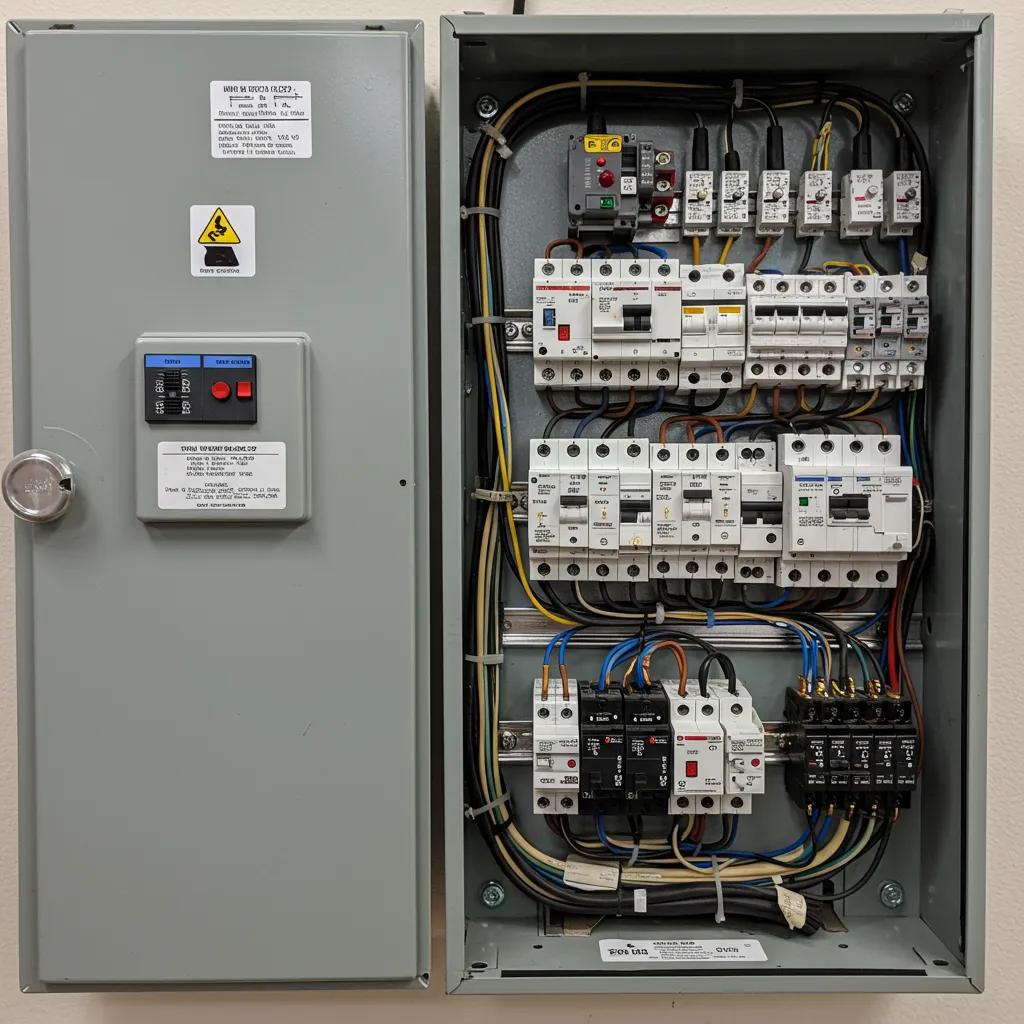
Electrical systems are inspected for safe operation, panel integrity, wiring type, and visible hazards, as electrical failures are a high-severity underwriting concern. Inspectors note the main service panel condition, presence of double-tapped breakers, evidence of overheating, exposed conductors, and grounding status. Clear documentation of repairs and recent electrician invoices supports favorable underwriting outcomes.
Which Electrical Panel Brands and Wiring Types Are Approved?
Insurers distinguish between modern, code-compliant equipment and older or recalled products. The table below compares common wiring and panel types with insurer risk reactions:
When inspectors flag high-risk panels or aluminum wiring, obtaining an electrician’s corrective quote and documented repairs will typically improve underwriting outcomes.
What Electrical Hazards Can Cause Inspection Failures?
Visible hazards commonly lead to failed electrical inspections, requiring corrective action. These include exposed wiring, signs of burning or melting, lack of proper grounding, DIY modifications without permits, and obsolete panel models on recall lists. Addressing these through licensed electrician repairs and providing receipts, permits, and photos helps underwriters accept the mitigation.
How Do Electrical Issues Affect Home Insurance Premiums?
Electrical defects increase perceived fire risk, leading to higher premiums, elevated deductibles, or declination until corrected. Repairs that replace hazardous panels, upgrade grounding, and remove unsafe DIY work typically reduce insurer-imposed surcharges. Agents should advise sellers to secure documented repairs before quoting to avoid inflated premiums.
What Plumbing System Criteria Are Evaluated in Florida 4 Point Inspections?
Plumbing inspections focus on pipe materials, visible leaks, water heater condition, and signs of chronic water intrusion because plumbing failures cause costly interior damage claims. Inspectors note active leaks, corroded fittings, outdated piping materials, and water heater age or failure indicators. For Florida, specific pipe types historically linked to failures are frequent insurer flags. Clear photographic evidence and repair invoices help underwriters evaluate risk.
Which Pipe Materials Are Acceptable for Insurance Purposes?
Insurers prefer modern piping materials and often flag known-failure materials. The table below summarizes common pipe types, typical failure modes, and insurer acceptability:
Identifying pipe materials early is critical. If risky materials are present, planning replacement or obtaining contractor estimates in advance can prevent insurance delays.
How Are Plumbing Leaks and Water Heater Conditions Assessed?
Inspectors look for active drips, stains, replaced sections, rust, and water heater age or TPR (temperature-pressure relief) issues. They document visible leaks, water stains, corroded connections, and the water heater serial number. Providing service records or recent replacement receipts can satisfy insurer concerns. Addressing visible leaks and presenting clear documentation reduces the chance of coverage denial.
What Plumbing Issues Lead to Insurance Coverage Denials?
Insurers commonly deny or limit coverage for homes with active leaks, pervasive corrosion, or known-failure piping like polybutylene; lack of maintenance history also increases denials. Other triggers include non-functioning pressure relief valves and unaddressed visible mold. Homeowners should obtain licensed repairs, compile receipts and photos, and present that evidence during underwriting to improve acceptance odds.
How Is the HVAC System Evaluated During a Florida 4 Point Inspection?
HVAC evaluation centers on age, operational status, visible safety defects, and maintenance history because failing systems can cause property damage or health risks. Inspectors verify the system powers on, cools or heats effectively, check for visible refrigerant leaks or combustion issues, and note system age. Regular documented maintenance demonstrates lower failure risk and often improves underwriting outcomes.
What HVAC Age and Efficiency Standards Are Required?
Insurers commonly set implicit age thresholds—often around 10–15 years—beyond which systems are scrutinized more closely. Efficiency matters less than reliable operation and absence of safety hazards, but older, inefficient systems increase failure probability. Replacing a marginal system or providing recent service documentation often yields more favorable insurance treatment.
Which HVAC Safety Features and Maintenance Records Matter?
Key items insurers and inspectors note include intact venting, absence of visible refrigerant leaks, secure electrical connections, properly functioning safety switches, and a clear maintenance record. Having recent invoices, filter change logs, and annual tune-up records demonstrates proactive care. Collecting these documents before inspection shortens underwriting review.
How Can HVAC Problems Increase Energy Costs and Insurance Risks?
A poorly maintained or aging HVAC system reduces efficiency, raises energy bills, and increases the chance of component failure that can cause secondary damage. Higher operational stress accelerates wear and increases the probability of claims, prompting insurers to treat properties as higher risk. Addressing efficiency issues through servicing or timely replacement reduces both homeowner costs and insurer exposure.
For sellers and agents seeking inspection partners, Damngood Inspection offers focused 4-Point services in Florida with technology-driven reporting. Damngood Inspection provides same-day reports with HD photos and videos, infrared thermal imaging, and drone roof inspections to document condition rapidly. As certified experts, they emphasize transparent multimedia evidence to help maximize insurance savings and close transactions faster.
If you want a streamlined, well-documented 4-point report that insurers will accept, Damngood Inspection’s workflow pairs fast delivery and advanced imaging to reduce underwriting friction; ask about a free 4-point or wind mitigation inspection when bundled with a pre-purchase inspection to enhance transaction readiness.
Key seller prep checklist to reduce 4-point flags:
- Collect documentation: gather repair receipts and service records for roof, HVAC, plumbing, and electrical.
- Correct visible hazards: fix leaking fixtures, exposed wiring, and missing shingles before inspection.
- Provide system dates: note installation dates or serial numbers for major systems to streamline underwriting.
Frequently Asked Questions
What is the cost of a 4-point inspection in Florida?
The cost typically ranges from $100 to $300, depending on property size, location, and inspector experience. Factors like system complexity or additional services (e.g., drone inspections) can influence the price. Obtain quotes from licensed and insured inspectors.
How can homeowners prepare for a 4-point inspection?
Gather documentation like repair receipts and maintenance records for major systems. Address visible hazards such as leaks, exposed wiring, or damaged shingles. Providing installation dates or serial numbers for systems can also streamline the process.
What happens if a 4-point inspection fails?
If an inspection fails, one or more systems don’t meet insurer standards, potentially leading to coverage denial or increased premiums. Homeowners must address identified issues, make repairs or replacements, and provide documentation to the insurer. Work with licensed professionals for corrections and proper documentation for re-inspection.
Can a 4-point inspection report be used for multiple insurance applications?
Generally, yes, but validity depends on the insurer’s policies. Most accept reports up to three years old if systems are in good condition. If significant changes or repairs have occurred, a new report may be beneficial for current information and better insurance terms.
Are there any exemptions for 4-point inspections in Florida?
While most insurers require inspections for older homes, exemptions may exist for newer homes or recently renovated properties. Some policy types, like those for condominiums, might not require one. Always check with your insurance provider for applicable exemptions.
How often should homeowners get a 4-point inspection?
Consider an inspection every few years, especially for older homes or after significant system changes. A recent inspection is valuable when selling or renewing insurance, providing insights and addressing issues proactively. Regular inspections help maintain property value and meet insurance requirements.
Conclusion
Understanding Florida’s 4-point inspection requirements is essential for homeowners and real estate professionals. By addressing roof, electrical, plumbing, and HVAC systems, you enhance insurability and potentially lower premiums. Proactive preparation preserves property value and streamlines transactions. For expert assistance and a comprehensive inspection report, consider partnering with Damngood Inspection today.