
5 Urgent Signs Your AC Ducts Need Cleaning
Dirty AC ducts, contaminated with dust, allergens, mold, or pests, redistribute pollutants through your home’s HVAC system. Recognizing warning signs quickly protects indoor air quality, reduces health risks, and prevents higher energy bills or premature HVAC wear. This article explains the five most common signs indicating immediate duct cleaning is needed, their underlying mechanisms, and homeowner triage steps.
This article was authored by Fred Rodrigues, a Certified Master Inspector with thousands of inspections completed across Florida. It details critical indicators like excessive dust, visible mold, persistent musty odors, increased allergy symptoms, and higher energy bills, all pointing to contamination or inefficiency within your HVAC system. For professional HVAC duct cleaning and sanitizing services in Clermont, Winter Garden, and the greater Orlando area in Central Florida, consider Damngood Home Services, a sister company of Damngood Inspection.
What Are the Most Common Signs of Dirty AC Ducts?
Dirty AC ducts manifest through symptoms indicating contamination or mechanical issues within HVAC air pathways. Debris and biological growth alter airflow, supply contaminated air, or create odors and allergens. Early identification reduces health and efficiency impacts. Below are the top five signs homeowners observe, each with an immediate triage action.
- Excessive dust blowing from vents: Check filter and vents, then note recurrence after cleaning.
- Visible mold growth in or around vents: Avoid disturbing it; isolate area and seek inspection.
- Persistent musty or mildew odors: Inspect condensate lines and humid areas for moisture.
- Increased allergy symptoms indoors: Upgrade filtration and monitor symptom correlation with HVAC use.
- Higher energy bills or weak airflow: Check registers, thermostat cycles, and blower operation.
These top-five signs each point to different underlying mechanisms—from particulate accumulation to moisture-driven biological growth—which the next subsections explore in actionable detail.
How Does Excessive Dust Coming From Vents Indicate Dirty Ducts?
Excessive dust from supply registers often signals dust accumulation inside ductwork or filter bypass, redistributed by the HVAC blower. Dust collects on duct surfaces, dislodged and spread during HVAC cycles. Check your filter for correct size, look for dust trails, and vacuum grilles. If dust persists within days despite proper filters and cleaning, the source is likely inside the ducts, warranting a deeper inspection for leaks or internal deposits.
Why Is Visible Mold in Air Vents a Critical Warning Sign?
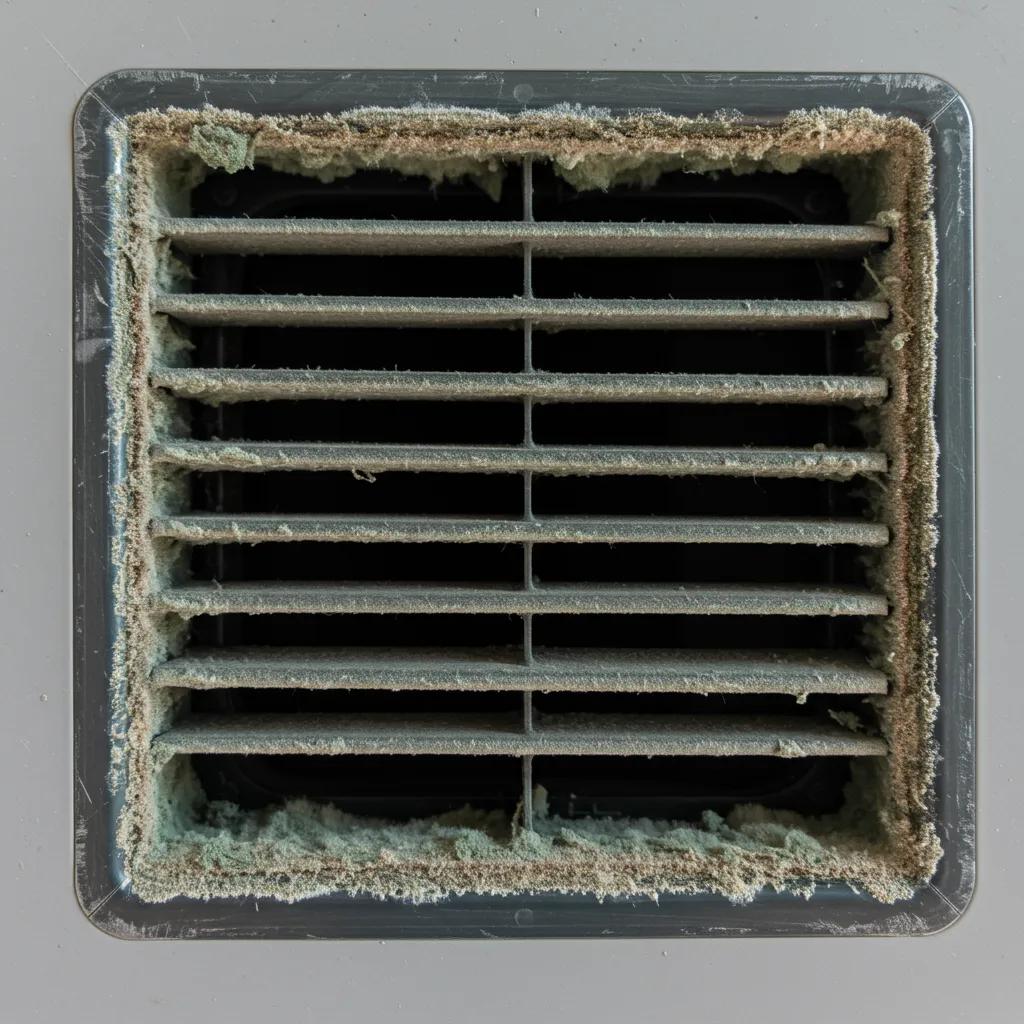
Visible mold on vents or within duct openings signals active biological growth due to moisture and organic material in the HVAC system. Mold thrives in humid conditions, often near coils or drip pans. Disturbing mold spores increases airborne concentrations, so immediate actions include avoiding agitation, reducing system use, and isolating the area. If mold is visible inside ducts, professional remediation is recommended to address moisture sources and safely remove contamination, following EPA and industry standards.
How Can Musty Smells Reveal the Need for AC Duct Cleaning?
Musty HVAC odors indicate the presence of organic materials like mold, mildew, or pest waste, often due to standing moisture or drainage issues. Moisture on coils or in condensate pans fosters microbial growth, and airflow then distributes these compounds and spores. Noticing when the smell occurs (system running, specific rooms, high humidity) helps pinpoint the source, whether it’s duct growth or a component like the evaporator coil.
What Causes Musty Odors in AC Systems?
Musty odors in HVAC systems stem from microbial growth on evaporator coils or in condensate pans, clogged drain lines, accumulated dust, or animal nesting. Observe if the smell intensifies at startup, is concentrated near registers, or correlates with high humidity to narrow the source. Home fixes include cleaning condensate drains, replacing filters, and dehumidification. If odors persist, a professional inspection of duct interiors and components is needed, as organic sources can harbor mold and bacteria.
How Do Musty Smells Affect Indoor Air Quality and Health?
Persistent musty odors degrade indoor air quality by indicating elevated microbial volatile organic compounds (mVOCs) and airborne spores, aggravating respiratory and allergic responses. Public health guidance from the American Lung Association and EPA notes mold exposure can worsen asthma and cause coughing, wheezing, and congestion, especially in vulnerable populations. If symptoms correlate with HVAC use or subside away from home, prioritize professional assessment and remediation. Controlling moisture and cleaning affected components are key to reducing odors and health risks.
How Do Increased Allergy Symptoms Signal Dirty Air Ducts?
Increased indoor allergy symptoms (sneezing, congestion, itchy eyes, asthma) can signal that accumulated allergens in ductwork are being redistributed by the HVAC system. Allergens like dust mites, pet dander, pollen, and mold spores adhere to duct surfaces and are released by airflow, exacerbated by inadequate filtration or leaks. Observe if symptoms spike with HVAC use, occur across multiple rooms, or worsen despite outdoor pollen changes to identify duct-driven allergy patterns.
Which Allergens Accumulate in AC Ducts and Trigger Reactions?
AC ducts commonly harbor dust mites, pet dander, indoor pollen, and mold spores, which persist on surfaces and in filter housings. Small, allergenic dust mite fragments and pet dander can bypass coarse filters. Mitigation includes upgrading to higher-MERV filters, regular filter changes, and cleaning accessible registers. If symptoms remain tied to HVAC operation, duct cleaning may be necessary to eliminate these allergen sources, reducing airborne load and improving indoor air quality.
What Respiratory Health Issues Are Linked to Dirty Ducts?
Contaminated ducts can exacerbate or trigger respiratory issues like allergic rhinitis, asthma attacks, and chronic cough by increasing airborne allergens and irritants. Inhaling spores, mite particles, and fine particulates provokes immune responses and airway inflammation, worsening asthma control. Public health guidance advises vulnerable groups to limit exposure and seek environmental remediation if HVAC systems are suspected. Combining symptom management with targeted HVAC interventions (filtration, dehumidification, cleaning) reduces exposure and improves respiratory outcomes.
Why Are Higher Energy Bills a Sign Your AC Ducts Need Cleaning?
Higher energy bills or extended HVAC runtimes often indicate reduced system efficiency due to restricted airflow or fouled components. Dust and debris increase flow resistance and reduce heat-exchange effectiveness, forcing the blower to work harder and longer. The U.S. Department of Energy highlights that poorly maintained HVAC systems waste significant energy. Clean coils, proper filtration, and unobstructed ducts restore airflow. Monitor runtime, compare seasonal usage, and check filters/airflow before considering professional cleaning or an energy-efficiency assessment.
How Does Dust and Debris in Ducts Reduce HVAC Efficiency?
Dust and debris obstruct airflow and disturb laminar flow within ducts, forcing the blower to exert more pressure. This increased load leads to longer run times, frequent cycling, and accelerated wear on components, shortening equipment life. Symptoms include weak airflow at distant registers, longer recovery times, and inconsistent temperatures. Cleaning ducts, sealing leaks, and ensuring proper filter fit reduce flow resistance, improve comfort, and cut energy consumption.
What Percentage of Energy Is Wasted Due to Clogged AC Ducts?
Wasted energy from clogged ducts varies by system, but fouled systems and restricted airflow can increase HVAC energy use by 5–15% for moderately dirty systems, and more for severely neglected ones. Energy-efficiency studies and DOE summaries support these estimates. Improvements after cleaning and tune-up typically fall within these ranges, though actual savings depend on additional corrective actions like insulation, duct sealing, and component repairs. For reliable estimates, schedule a certified energy-efficiency assessment or HVAC tune-up.
How Can Pest Infestations in AC Ducts Indicate Urgent Cleaning Needs?
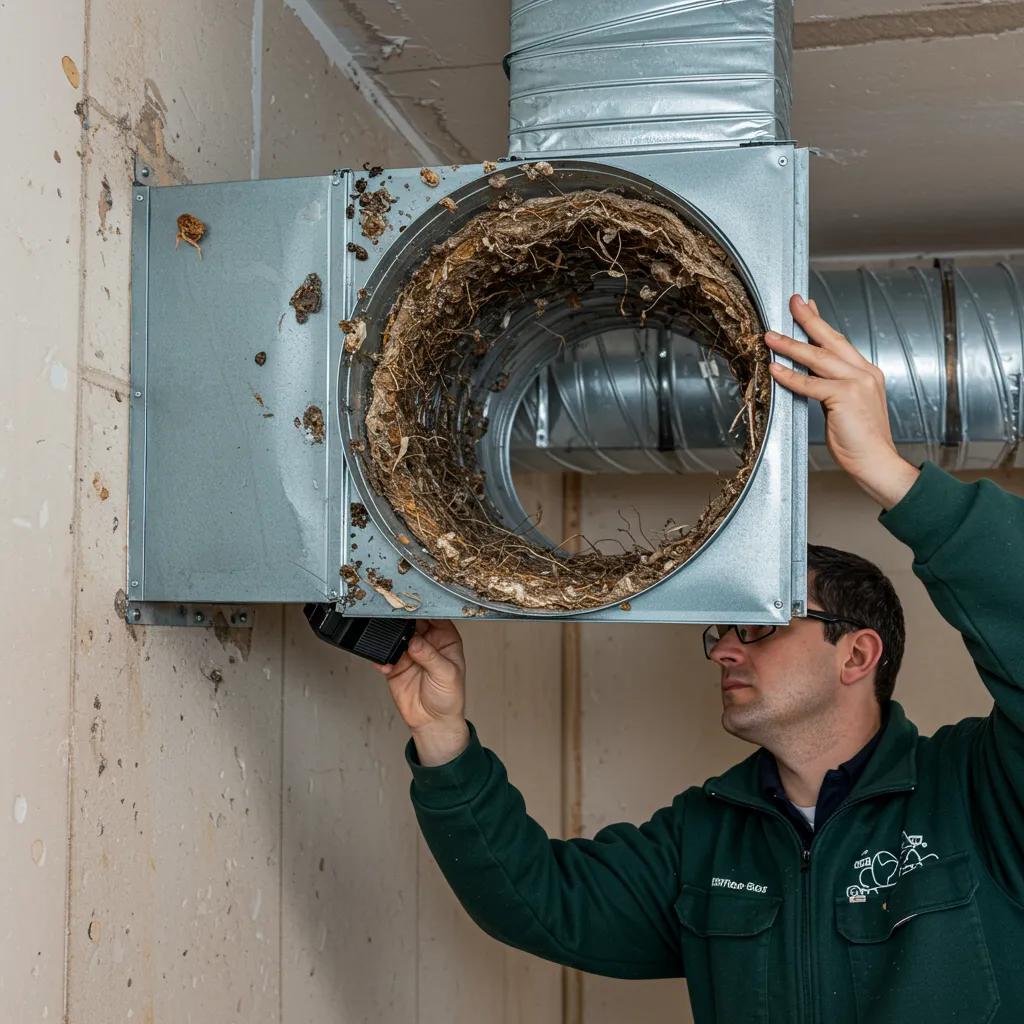
Pests like rodents, birds, or insects in ductwork leave droppings, nesting materials, and odors, contaminating airflow and posing health risks, warranting immediate remediation. They enter through gaps, depositing allergens and pathogens, and causing damage by chewing. Clues include scratching sounds, fecal matter near registers, torn insulation, or unexplained odors, indicating widespread contamination. Prioritize safety, containment, and sequential treatment: remove pests first, then clean and sanitize ducts to eliminate contaminants.
What Types of Pests Commonly Infest Air Ducts?
Common duct pests include rodents, cockroaches, and birds, each leaving distinct evidence. Rodents leave droppings, gnaw marks, and audible movement; cockroaches leave frass and musty odors; birds leave feathers and nesting debris. Avoid direct contact with droppings and isolate affected vents. Professional pest control should remove animals and seal entry points. Post-removal, ducts require cleaning to eliminate droppings, allergens, and nesting residue.
How Do Pests Affect Air Quality and HVAC System Health?
Pest contamination degrades indoor air quality with airborne pathogens, allergens from droppings, and odors, increasing respiratory risk. Nesting materials can block airflow, foul coils, and damage insulation, raising energy use and repair needs. Remediation involves licensed pest control to eliminate infestations and seal entry points, followed by thorough duct and component cleaning to remove contaminants. Finally, HVAC performance is restored through inspection, sealing, and maintenance, reducing hazards and preventing recurrence.
What Immediate Actions Should You Take When You Notice These Signs?
Upon detecting signs like excessive dust, mold, odors, allergy spikes, high energy bills, or pests, prioritize safety and diagnostics. For biological risks, avoid disturbing mold/droppings, reduce system use, and isolate rooms. Perform quick checks: replace air filters, vacuum registers, and control humidity. If symptoms persist after basic steps, or if multiple high-urgency signs (e.g., visible mold inside ducts, pest infestation) are present, schedule a professional inspection and cleaning.
When Is Professional AC Duct Cleaning Recommended?
Professional AC duct cleaning is recommended for visible mold inside ducts, pest evidence, persistent musty odors after component cleaning, or excessive dust and allergy symptoms despite proper filter changes. If two or more high-urgency signs (e.g., visible mold + persistent odor, or pest evidence + widespread contamination) are present, call a certified professional. For mild dust, start with DIY. Professionals inspect duct interiors, clean with mechanical agitation and vacuum collection, address coil/blower contamination, and identify repair needs. Choose a certified provider following NADCA standards to ensure proper cleaning and diagnosis of underlying issues.
How Often Should You Schedule Air Duct Cleaning to Prevent Issues?
Industry guidance suggests cleaning every 3–5 years, but shorten this interval with risk factors like pets, allergies/asthma sufferers, recent renovations, mold history, or pest problems; consider 1–3 years in such cases. Extend intervals by replacing filters on schedule, using appropriate MERV-rated filters, controlling humidity, and sealing duct leaks. Use a checklist (vent inspection, filter log, humidity monitoring) to determine if conditions warrant an earlier professional inspection.
Frequently Asked Questions
1. How can I tell if my air ducts are affecting my health?
Increased allergy symptoms, respiratory issues, or persistent musty odors may indicate duct contamination. Allergens like dust mites, pet dander, and mold spores accumulate in ducts. If symptoms worsen when your HVAC system runs, consider a professional inspection and cleaning.
2. What are the potential costs associated with air duct cleaning?
Costs vary by home size, contamination extent, and provider, typically $300-$500 for a thorough cleaning. Additional services like mold remediation or pest control incur extra charges. Obtain quotes from certified professionals and clarify included services to avoid surprises.
3. Can I clean my air ducts myself?
Basic tasks like changing filters and vacuuming vents are DIY, but professional cleaning is recommended for thorough contaminant removal. Professionals use specialized equipment and can address underlying issues like leaks or moisture. For significant buildup or contamination, hire a certified technician.
4. How does humidity affect air duct cleanliness?
High humidity causes moisture accumulation in ducts, fostering mold and microbial growth, leading to musty odors and respiratory issues. Monitor indoor humidity, use dehumidifiers if needed, and perform regular HVAC maintenance to prevent moisture-related duct problems.
5. What should I do if I find pests in my air ducts?
Act quickly if you find pests. Avoid contact with droppings. Contact a licensed pest control professional to remove the infestation and seal entry points. Afterward, schedule thorough duct cleaning to eliminate allergens and contaminants, addressing both pests and their environmental impact.
6. How can I prevent my air ducts from getting dirty in the first place?
Prevent dirt buildup by regularly changing air filters (1-3 months) with high-efficiency types. Maintain humidity below 50% to deter mold. Schedule routine inspections/cleanings every 3-5 years. Sealing duct leaks and ensuring proper insulation also keep contaminants out and improve efficiency.
7. What are the signs that I need to clean my air ducts again after a professional cleaning?
After professional cleaning, watch for returning excessive dust, persistent musty odors, or increased allergy symptoms. Visible mold or pest activity also indicates a need for attention. Regular monitoring helps catch issues early and maintain indoor air quality.
Schedule Professional AC Duct Cleaning in Greater Orlando Today
Maintaining clean AC ducts is vital for optimal indoor air quality and energy efficiency. Recognizing signs like excessive dust, musty odors, and increased allergy symptoms allows for proactive steps to protect your home. Regular professional inspections and cleanings enhance HVAC performance and longevity. For expert HVAC duct cleaning and sanitizing in Clermont, Winter Garden, and the greater Orlando area, contact Dam
ngood Home Services today to ensure a safe and healthy home environment.