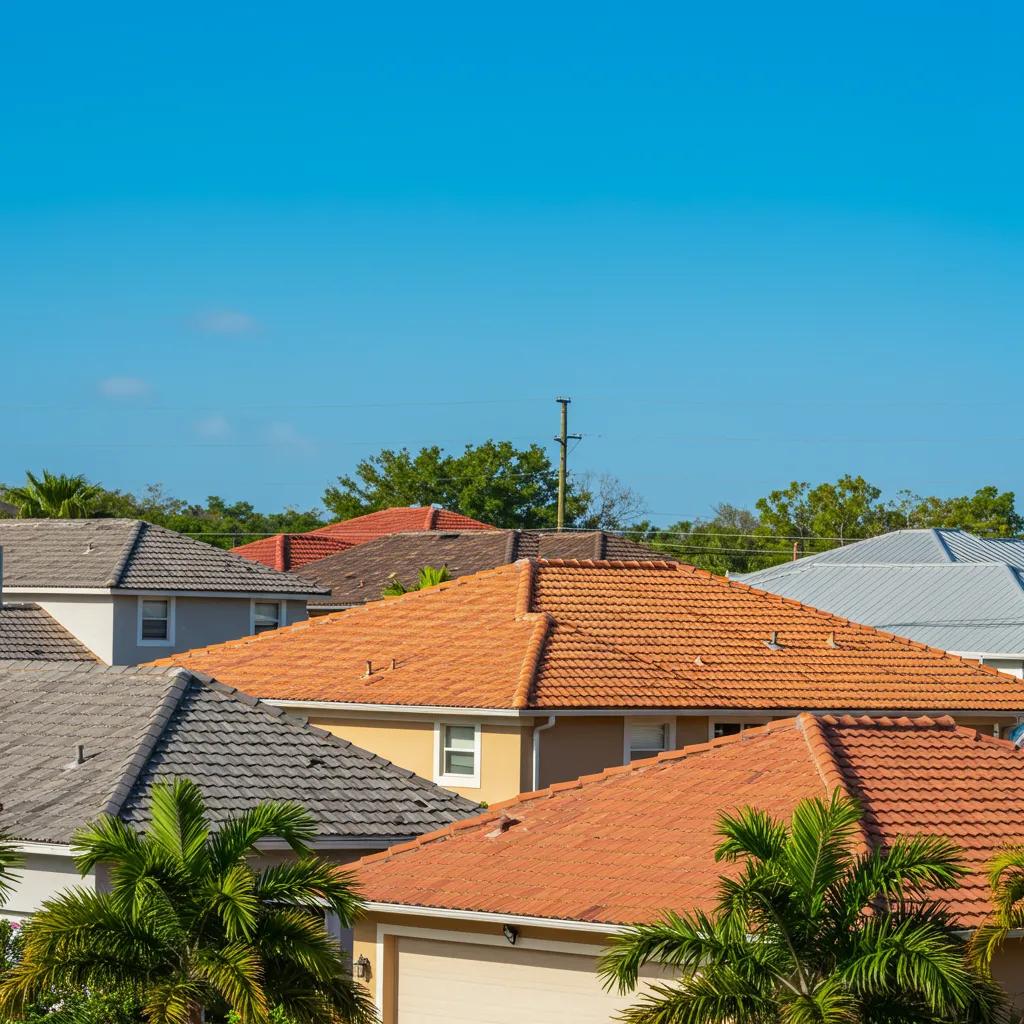
Florida Roof Life Expectancy: Why Your Roof Won’t Last 25 Years and How to Protect It
By Fred Rodrigues, Certified Master Inspector with thousands of roofs inspected in Florida
Article Recap: Key Takeaways for Florida Homeowners
This article provides a comprehensive guide to understanding and extending your roof’s life in Florida’s challenging climate. Here’s a quick overview of what you’ll learn:
- Shorter Lifespans: Florida roofs rarely last 25 years due to intense UV, heat, humidity, hurricanes, salt air.
- Climate Impacts: Stressors accelerate wear on underlayment, flashing, fasteners, ventilation systems.
- Material Durability: Compare lifespans/vulnerabilities of asphalt shingles, tile, metal, flat roofs.
- Warning Signs: Identify granule loss, cracking, water stains, sagging.
- Code & Insurance: Navigate 15-year inspection, 25% replacement rule, secondary barriers.
- Proactive Maintenance: Implement seasonal cleaning, ventilation, minor repairs.
- Professional Inspections: Schedule online, understand checks, protect home/insurance.
Why Don’t Roofs Last 25 Years in Florida? Understanding Climate Impact on Roof Longevity
Florida roofs face aggressive environmental stressors shortening lifespan: intense UV, high temperatures, thermal cycling, high humidity (biological growth), hurricane winds (mechanical loss), and coastal salt air (corrosion).
The following list summarizes the principal climate drivers and their direct effects in Florida.
- UV radiation & heat: Degrades asphalt binder, causes granule loss.
- High humidity & moisture: Promotes mold, algae, underlayment failure.
- Hurricanes & high winds: Create uplift, shingle loss, impact damage.
- Salt air corrosion: Corrodes metal flashing, fasteners on coastal properties.
Climate Impact: UV, Heat, Humidity, and Salt Air
UV and high rooftop temperatures accelerate material deterioration. For asphalt shingles, UV breaks down binder, causing granule loss and thermal cracking. High roof-deck temperatures intensify thermal cycling, leading to seam separation and brittleness. Reflective coatings and adequate attic ventilation are crucial. High humidity and frequent rain foster biological growth and moisture retention, attacking underlayment and fasteners. Algae, mold, and moss degrade coatings. Inadequate attic ventilation accelerates deck rot. Coastal salt air corrodes metal roofing. Improved ventilation, corrosion-resistant metals, and timely underlayment replacement are vital.
What Is the Typical Lifespan of Different Roofing Materials in Florida?
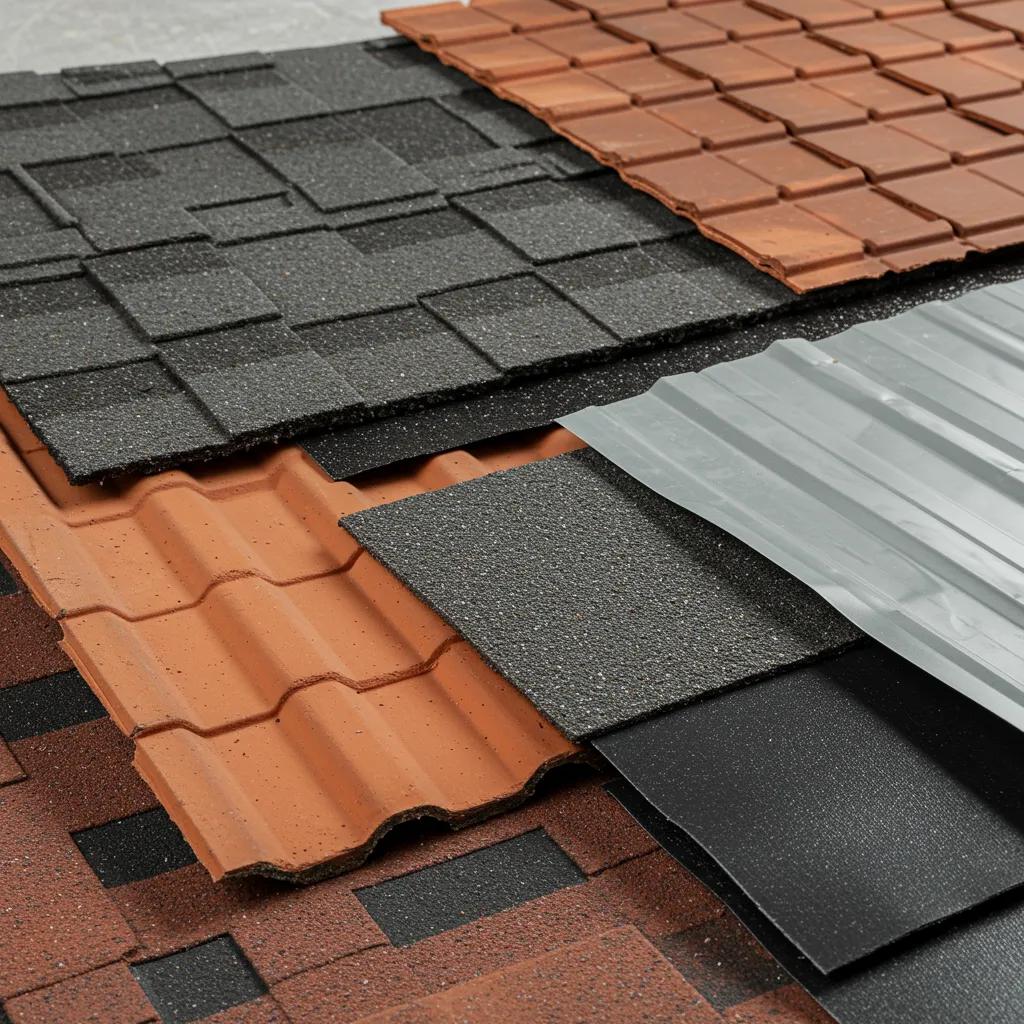
Florida’s stresses lead to varied roofing lifespans and maintenance needs. Asphalt shingles suffer most from UV/granule loss. Tile/metal resist wind/UV better but have vulnerabilities. Flat membranes need careful drainage. Material choice and proactive maintenance are key.
Durability of Asphalt Shingles, Tile, Metal, and Flat Roofs
Asphalt shingle roofs typically last 15–20 years in Florida due to climate stressors (granule loss, cracking, sealant breakdown). Extending life involves reflective coatings, post-storm inspections, and selective repairs; insurers often require documented inspections at 10 and 15 years. Clay and concrete tiles often last 40–60+ years with quality underlayment. Their mass and reflective properties reduce deck temperatures, but underlayment integrity is key for leak resistance. Tiles can break from impact, and underlayment failure makes them vulnerable in hurricanes. Routine inspections check for cracked tiles. In coastal Florida, aluminum and high-quality coated steels resist salt corrosion better. Stainless or coated fasteners reduce failure risk. Metal roofs resist wind uplift, but fastener/flashing corrosion is a primary longevity limiter. Regular inspections for corrosion are essential. Flat roofs require engineered drainage and frequent membrane inspections to prevent ponding failures.
What Are the Key Signs Your Florida Roof Needs Inspection or Replacement?
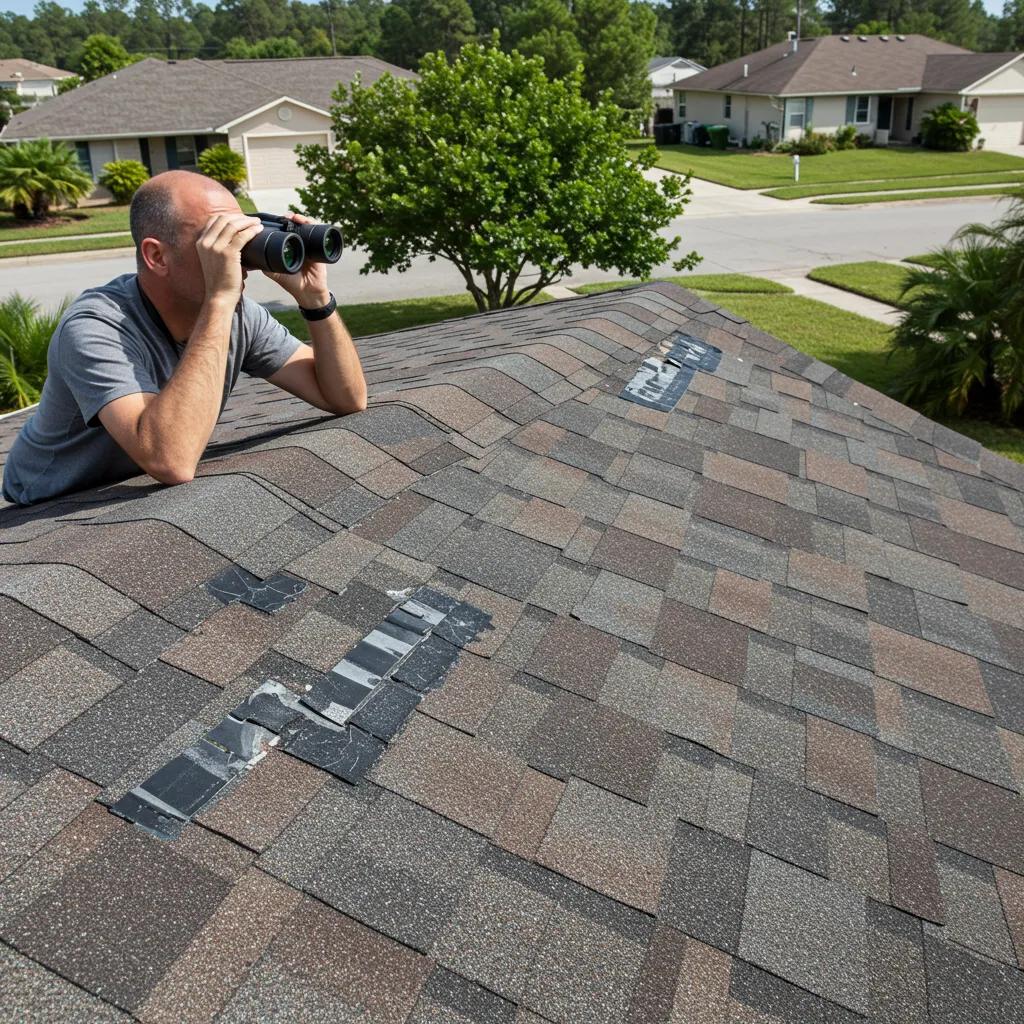
Recognizing warning signs helps homeowners prioritize inspections and repairs. Key signs: granule loss, cracked/curling shingles, missing tiles, attic water stains, sagging decking, rusted flashing. Active leaks/sagging demand immediate action; other signs warrant inspection. Professional inspections document condition for insurance and guide repair/replacement.
- Granule loss/bald spots: Check gutters for shingle grit.
- Cracked, curled, missing shingles/tiles: Photograph and monitor.
- Interior water stains/mold: Indicates active leakage, possible decking damage.
- Sagging roof deck/soft spots: Immediate safety/structural concern.
- Corroded/loose flashing/fasteners: Increases leak risk, wind vulnerability.
Identifying Damage and Scheduling Inspections
Granule loss appears as shingle grit in gutters or bald spots, exposing asphalt mat to UV damage. Cracking and curling indicate embrittlement and sealant failure. Homeowners can use binoculars for ground-level checks and inspect attics for daylight. Document issues with photos for inspectors and insurers. Schedule inspections after major storms, upon noticing damage, before insurance renewal (if roof is 10-15+ years old), and before selling. Routine inspections every few years, especially at years 10 and 15, detect aging and meet insurer requirements. Immediate inspections are needed for interior leaks, sagging decks, or extensive missing coverings. Regular inspections provide crucial documentation.
How Do Florida Building Codes and Insurance Rules Affect Roof Replacement?
Florida’s building codes and insurance rules significantly impact roof replacement timing and scope. Understanding the 15-year inspection practice and the 25% rule is crucial. Insurers scrutinize roofs over 15 years, affecting eligibility and premiums. Codes often mandate secondary water barriers and hurricane straps, increasing project scope. Plan for permits, documentation, and code-compliant upgrades.
Key Regulations: 15-Year Rule, 25% Rule, and Storm Resilience Mandates
The 15-year roof practice is an insurer underwriting threshold. For roofs nearing or exceeding 15 years, insurers may request inspections, require repairs, or adjust premiums. Maintaining inspection records and addressing issues mitigates coverage disruption. Recent rule updates clarify when partial re-roofing is allowed versus full replacement, based on affected area percentage and existing roof’s code compliance. Documentation is critical. Secondary water barriers provide a redundant layer against wind-driven rain. Hurricane straps secure the roof structure against uplift. These address Florida’s major failure modes: water penetration and structural uplift. Requiring them on replacements increases resilience and reduces interior damage. Inspectors check for proper installation.
What Proactive Maintenance Steps Can Extend Your Roof’s Life in Florida?
Consistent, climate-tailored maintenance is crucial for extending a Florida roof’s life, focusing on reducing UV, moisture, wind vulnerability, and corrosion. Seasonal tasks include debris removal, gutter cleaning, ventilation checks, and targeted repairs. Proactive minor repairs prevent small leaks from escalating. Documenting maintenance supports insurance claims and resale value.
- Quarterly visual checks/gutter cleaning: Prevents ponding, water intrusion.
- Biannual attic/ventilation inspection: Ensures airflow, reduces heat/moisture.
- Post-storm inspection: Look for missing shingles/tiles, displaced flashings, interior stains.
- Annual professional inspection: Captures hidden issues, documents condition.
Seasonal Cleaning, Ventilation, and Minor Repairs
Seasonal cleaning and proper ventilation reduce thermal stress and moisture damage. Inspect for storm damage and clear debris (spring). Monitor for heat cracking and check attic ventilation (summer). Clear leaves (fall). Check for interior condensation (winter). Upgrading vents and insulation extends roof lifespans. Addressing small issues—like replacing cracked flashings, re-sealing penetrations, or swapping damaged shingles—prevents localized water intrusion and deck rot. Minor repairs offer high ROI by arresting early failure modes. Timely replacement of corroded fasteners and spot underlayment repairs are recommended. Documenting repairs supports insurance and resale value.
How Can You Book a Professional Florida Roof Inspection Online?
Booking a professional Florida roof inspection online offers streamlined access to expert evaluation, insurance/code documentation, and a prioritized repair plan. The process is simple: select service, provide address/roof details, choose a time, and optionally upload photos. Inspections yield a written report with photos, estimated remaining service life, and code compliance notes.
- Enter service area/basic roof info: Type, age, exposure.
- Choose inspection type/schedule: Pick time for in-person or remote triage.
- Upload photos/notes: Provide damage photos, interior stains, prior repair records.
- Receive inspection report: Detailed findings, repairs, estimated life, insurer documentation.
Benefits and Process of Online Inspection Booking
Early inspections detect issues when repairs are less costly, provide documentation for insurance, and preserve resale value. They identify compromised underlayment, flashing corrosion, and localized failures before interior damage, saving structural repair costs. For roofs nearing insurer milestones, timely inspections provide condition evidence affecting renewal. Early action allows for budget-friendly interventions. The online booking process involves an intake form, scheduling, optional photo upload, and confirmation, followed by an inspection and report. Steps: enter address/service type, select date/time, provide roof details/photos, confirm, and receive inspector assignment. Remote triage speeds minor assessments; in-person inspections cover hidden issues. Post-inspection, homeowners get a report with photos, recommendations, and code/insurance guidance.
- Intake: Enter address, roof type, history.
- Schedule: Pick date/time for on-site or virtual.
- Triage: Upload photos or request in-person.
- Report: Receive documented condition with next steps.
Conclusion
Understanding Florida’s climate challenges for roofing is crucial. Proactive maintenance and regular inspections extend roof life and ensure compliance. This article, by Fred Rodrigues, a Certified Master Inspector, provides expert guidance. Book a professional roof inspection online today for peace of mind, protecting your investment and enhancing home resilience.
Frequently Asked Questions
What are the most common causes of roof damage in Florida?
UV, high humidity, hurricanes, and salt air are primary causes. UV degrades materials (granule loss, cracking). Humidity fosters mold/algae. Hurricanes bring strong winds. Coastal salt air corrodes metal.
How often should I schedule a roof inspection in Florida?
Schedule professional roof inspections every two years, plus after major storms. Annual inspections are recommended for roofs over 10-15 years old to meet insurance and catch issues early.
What maintenance tasks can I perform to extend my roof’s lifespan?
Extend roof lifespan by cleaning gutters quarterly, checking attic ventilation biannually, and inspecting after storms. Replace damaged shingles/flashing promptly and ensure corrosion-resistant fasteners. Documenting maintenance helps.
What should I do if I notice signs of roof damage?
If you notice roof damage (granule loss, curling shingles, attic water stains), act quickly. Document damage with photos and schedule a professional inspection. Early action prevents further deterioration and costly repairs.
How do Florida building codes affect roof replacement?
Florida building codes impact roof replacement through material, inspection, and structural requirements. The 15-year inspection rule scrutinizes older roofs, affecting insurance. Codes may mandate secondary water barriers and hurricane straps.