Unlock Your Builder’s Warranty
By Fred Rodrigues, Certified Master Inspector with thousands of inspections done in Florida
An 11th-month or builder’s warranty inspection is a critical, systematic evaluation of a newly constructed property’s major components and systems, performed just before your builder’s one-year warranty expires. This inspection identifies construction defects, premature wear, or installation issues under the builder’s responsibility, allowing you to submit a comprehensive list of repairs before coverage lapses. This guide covers why these inspections are vital, what inspectors check, how findings translate into a detailed report, and how to book these essential services online. You’ll learn the step-by-step process, a new construction checklist, cost expectations (including specialty testing), preparation tips, and how to choose a qualified inspection company to protect your investment.
What Is the 11th-Month Warranty Inspection Process and How Does It Work?
An 11th-month warranty inspection is a non-invasive, visual assessment revealing material defects, safety concerns, and improper installations covered by your builder’s warranty. Inspectors use standardized methods (exterior walkaround, roof/attic checks, mechanical system testing, interior surveys) to produce a structured report with photos and repair recommendations. The process emphasizes observable evidence and functional testing, excluding invasive demolition or exhaustive code compliance checks unless contracted. This ensures all potential warranty claims are documented, offering your final opportunity to leverage your builder’s warranty for repairs at no cost.
What Steps Do Home Inspectors Follow During a Warranty Inspection?
Inspectors begin with an introduction, confirm property access and utilities, then perform an exterior survey (grading, siding, foundation issues). They inspect the roof from accessible points and the attic for ventilation, insulation, leaks, or pests, documenting problems with photos. Interior systems follow: HVAC tests, plumbing checks for leaks/drainage, electrical panel/outlet safety, and appliance function. Safety items like exposed wiring or gas odors are prioritized. A walkthrough summarizes findings and answers questions before finalizing the written report, crucial for your warranty claim.
How Long Does a Typical 11th-Month Warranty Inspection Take?
A typical single-family home inspection takes two to four hours on-site for one inspector. Larger homes, multiple systems, or specialty testing (radon, termite) extend this time. Report turnaround commonly ranges from same-day to 48 hours. Homeowners should allocate a half-day for the visit and expect a brief post-inspection review to clarify immediate safety issues and next steps for their warranty claim.
What Do Home Inspectors Check? A Detailed Warranty Inspection Checklist
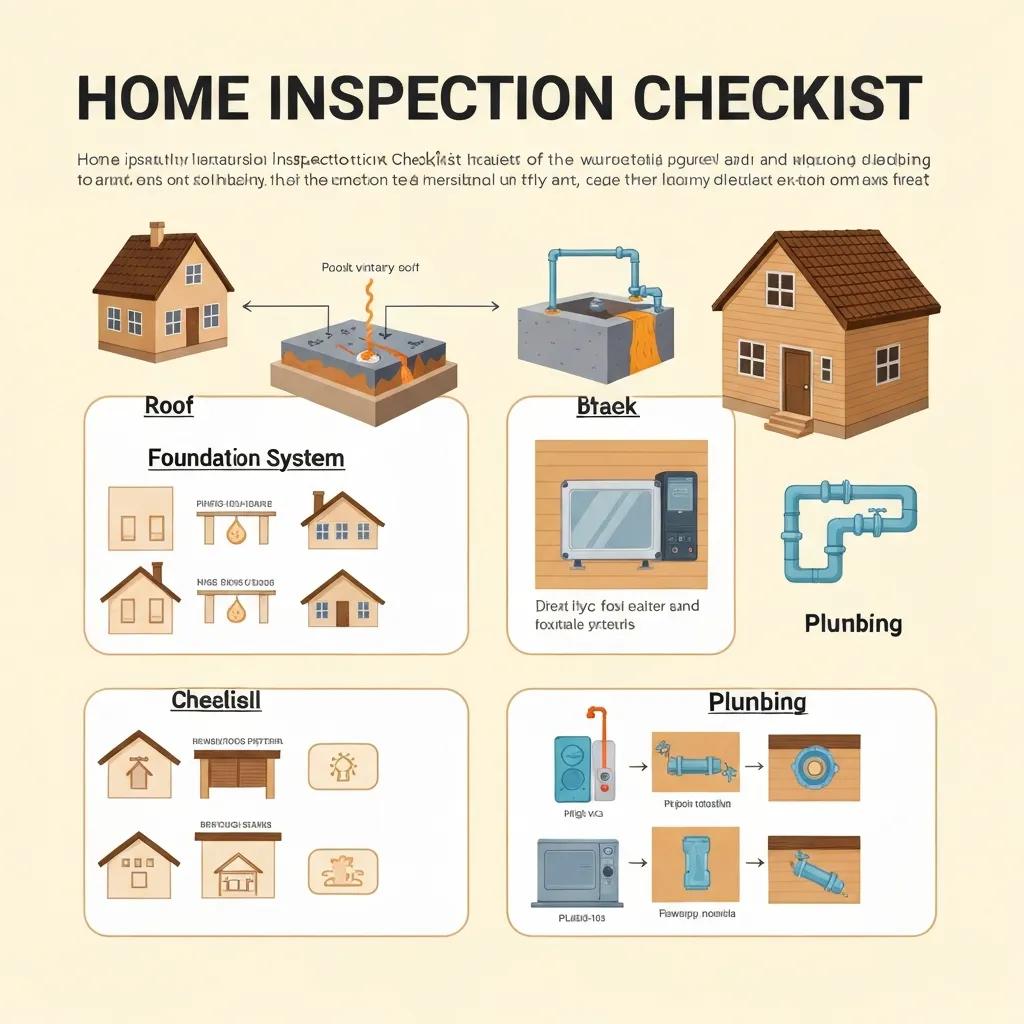
Home inspectors survey structural elements, exterior envelope, roofing, attic, insulation, HVAC, plumbing, electrical, and interior components to identify defects affecting safety, functionality, or material condition, especially those attributable to construction or premature failure. The goal is to map observable problems to common causes and recommend next steps within your warranty context. Top companies provide checklists with priority levels and annotated photos for warranty claims. Here is a practical checklist of common focus areas and typical new home findings.
- Roof systems: Inspect for missing shingles, improper flashing, sagging, and evidence of leaks or poor installation.
- Foundation and structure: Look for settlement cracks beyond normal expectations, moisture intrusion, and visible structural distress indicating builder error.
- HVAC and plumbing: Test heating/cooling operation, check for leaks, assess water heater condition and visible piping for proper installation and function.
- Electrical systems: Inspect panel condition, presence of GFCIs, overloaded circuits, and visible wiring issues or code violations.
- Interior/exterior features: Verify window and door operation, check for water stains, inspect attached decks and stairs for safety risks and proper construction.
Which Structural Components Are Examined During a Warranty Inspection?
Inspectors evaluate foundation elements, visible framing, load-bearing walls, and roof structure for signs of movement, moisture damage, or compromised bearing elements attributable to construction defects. They examine slab and perimeter foundations for cracks indicating settlement beyond normal, and framed walls for bowing or racking. Roof framing and truss inspection focuses on sagging, missing connections, or compromised sheathing. For significant structural concerns, inspectors recommend a structural engineer for evaluation and remediation, informing repair cost estimates and negotiation with your builder.
What Systems and Utilities Are Inspected for Warranty Claims?
Inspectors test HVAC systems for basic operation, verify thermostat function, and visually inspect air handlers for leaks or damage, noting system age and maintenance indicators for improper installation or premature failure. Plumbing assessments include reviewing exposed supply/drain lines, testing water pressure, and checking visible appliances/water-heating equipment for condition and safety. Electrical inspections focus on panel integrity, correct breaker operation, proper grounding/GFCIs, and visible wiring hazards or code violations. Specialty services like septic systems or sewer scopes are recommended based on property configuration or red flags.
How Much Does an 11th-Month Warranty Inspection Cost and What Factors Affect Pricing?
- Location: Urban markets or those with higher operating costs often have higher base fees.
- Property size and complexity: Larger square footage, multiple systems, or outbuildings increase on-site time and cost.
- Specialty testing: Add-on services like radon or mold testing increase overall cost but provide targeted risk data, especially if issues stem from builder negligence.
- Inspector qualifications: Certified inspectors or firms producing detailed digital reports may charge premiums reflecting faster turnaround and richer documentation, crucial for warranty submissions.
What Is the Average Cost of an 11th-Month Warranty Inspection?
Average base prices depend on local market conditions and property size. Typical base inspection fees for a standard single-family home fall in the mid-range noted above. Small condos and townhomes are at the lower end, while large homes with finished basements and multiple mechanical systems skew higher. Inspector experience and report quality also influence cost; firms delivering photo-rich, annotated digital reports and rapid turnaround often charge premiums. Homeowners should request sample reports and an itemized quote to evaluate if higher fees correlate with report depth and timeliness.
How Do Specialty Inspections Like Radon, Mold, and Termite Affect Price for Warranty Claims?
Specialty tests are priced separately due to equipment, lab analysis, or specialist expertise. These services add to the budget but are invaluable for identifying builder-related issues. Radon testing adds a modest fee, providing critical information in radon-prone regions, especially if builder-installed mitigation systems underperform. Mold assessments, potentially costlier, may include surface/air sampling and lab analysis, with remediation recommendations if elevated levels appear. Termite/pest inspections are regionally important and often a lower-cost add-on, essential in areas with known infestation risk. Including selective specialty tests during booking offers comprehensive risk coverage and can prevent costly surprises, which you can then submit to your builder.
How to Prepare Your Home and Yourself for a Successful Warranty Inspection
What Should Homeowners Do Before the Warranty Inspection Day?
Provide clear access to all areas, unlock gates and electrical panels, and ensure utilities are on. Remove valuables and secure pets. Compile questions, bring a notepad, and ask for sample reports. Assemble maintenance records, appliance manuals, and service receipts. Crucially, have your builder’s warranty document available. A day-before checklist confirming access, utilities, and documentation avoids delays and supports a focused on-site evaluation.
Why Is Homeowner Attendance Recommended During the Warranty Inspection?
Attending allows you to see issues firsthand, ask clarifying questions, and learn about home maintenance. Being present during the walkthrough helps you observe system operation, note shutoff locations, and get practical maintenance tips directly from the inspector. Attendance also facilitates immediate discussion of severity and negotiation points with your builder, expediting post-inspection decisions during a time-sensitive warranty claim. Many providers recommend homeowners attend at least part of the on-site inspection for maximum benefit.
How to Choose the Best Home Inspection Company for Your Warranty Claim: Certifications and Reviews
What Certifications Should You Look for in a Home Inspector for New Construction?
Look for membership or certification from established industry organizations requiring standards and continuing education, indicating adherence to ethics and protocols. Verify local licensing requirements. Experience with new construction and builder warranty inspections is a significant plus. Insurance (general liability and professional liability/errors-and-omissions) protects clients from negligent practices and signals professional responsibility. Requesting proof of credentials and insurance is a best practice for choosing inspectors who combine technical competence with accountability for warranty claims.
How Do Top Companies Differentiate Their Services and Pricing for Warranty Inspections?
Leading providers differentiate through report depth—high-resolution photos, annotated findings, and prioritized repair recommendations tailored for warranty submissions—along with rapid same-day or next-day digital delivery supporting tight claim timelines. Value-adds include bundled packages, transparent line-item pricing, and online booking for specialty inspections and upfront pricing confirmation. Many offer clear sample reports and structured data. When comparing, weigh these features and delivery speed against base price to align with your timeline and risk level, ensuring a robust warranty claim.
How to Book an 11th-Month Warranty Inspection Online: Step-by-Step Guide and Benefits

- Select Service Type: Choose the 11th-month or builder’s warranty inspection and add specialty tests like radon or termite if needed.
- Enter Property Details: Provide square footage, year built, and access instructions so the inspector can prepare.
- Pick Date & Time: Compare available slots and confirm a time that allows for homeowner attendance.
- Review Pricing & Add-ons: Confirm transparent line-item pricing for base inspection and any specialty tests.
- Confirm & Pay: Complete booking with payment and receive an immediate confirmation and sample report link if offered.
What Are the Advantages of Online Scheduling for 11th-Month Warranty Inspections?
Online scheduling accelerates confirmations, reduces phone tag, and provides immediate visibility into available slots and pricing, easing coordination within tight warranty timelines. It also allows customers to select specialty inspections (radon, mold, termite) at booking, ensuring the inspector arrives with necessary equipment, preventing delays. Clear, line-item pricing supports budget planning and package comparison, while immediate digital confirmations and sample report access set clear expectations for report turnaround and format, all vital for a timely warranty claim. For homeowners, online booking offers convenience and transparency, streamlining the inspection experience.
How to Select Inspection Types and Service Areas When Booking Online for Your Warranty Inspection?
When choosing inspection types, specifically select “11th-Month Warranty Inspection.” Consider local environmental risks and any concerns noticed since moving in; even new homes may warrant sewer scopes or termite inspections in prone regions, and radon testing if not properly mitigated. Verify the provider’s service area to avoid travel fees or availability gaps; many platforms display coverage and supplementary travel charges. Use booking form fields to communicate access notes, pets, or multiple dwelling units for appropriate time/resource allocation. Selecting relevant specialty tests and accurate service-area details reduces follow-up visits and accelerates report delivery, ensuring you meet your warranty deadline.
Frequently Asked Questions
What Should I Do If Issues Are Found During the Inspection?
Document identified issues thoroughly. Present the inspector’s detailed report, with photos and repair recommendations, to your builder as part of your warranty claim. Follow up promptly to discuss findings and initiate repairs. Keep records of all communications and ensure repairs are completed satisfactorily before your warranty expires.
Can I Attend the Inspection with the Inspector?
Yes, attendance is highly recommended. Being present allows you to observe findings firsthand, ask questions, and gain insights into home maintenance. This interaction clarifies concerns and ensures understanding of the report, providing an opportunity to discuss immediate safety issues crucial for warranty claims.
How Do I Choose the Right Inspection Company?
Choose an inspection company by evaluating certifications, experience, and customer reviews. Look for inspectors certified by recognized organizations with new construction and warranty inspection experience. Reviews offer insights into reliability and report quality. Request sample reports for clarity and detail. Transparent pricing and a clear booking process indicate professionalism.
What Happens If My Builder Refuses to Address the Issues Found?
If your builder refuses, review your warranty agreement to understand your rights. Escalate by formally documenting concerns and requesting a meeting. If necessary, consider legal advice or mediation. Thorough records of communications and inspection findings will support your case.
Are Specialty Inspections Always Necessary?
Specialty inspections (radon, mold, termite) are not always necessary but can be crucial based on location and visible issues. If your home is in a radon area or shows signs of moisture/pests, these provide valuable information. Discuss potential risks with your inspector to determine if additional tests are warranted for your warranty claim.
How Can I Prepare for the Inspection Day?
Preparation is key for a smooth process. Ensure clear access to all areas (attics, basements, mechanical rooms) and that utilities are on. Compile a list of concerns and gather documentation like your builder’s warranty and maintenance records. This helps the inspector focus on material conditions, strengthening your warranty submission.
What Should I Expect in the Inspection Report?
The report will include a detailed summary of findings, photos, and descriptions of issues. Problems will be categorized by severity with repair recommendations. Expect clear language outlining home system and component conditions. This report is essential for your warranty claim; understand its contents and follow up promptly.
Conclusion
An 11th-month warranty inspection is essential for safeguarding your new home investment, identifying and addressing construction defects before your warranty expires. This proactive approach protects your financial interests and provides peace of mind. By choosing a qualified inspection company, you can navigate the warranty claim process with confidence. Schedule your inspection today to secure your home’s future.