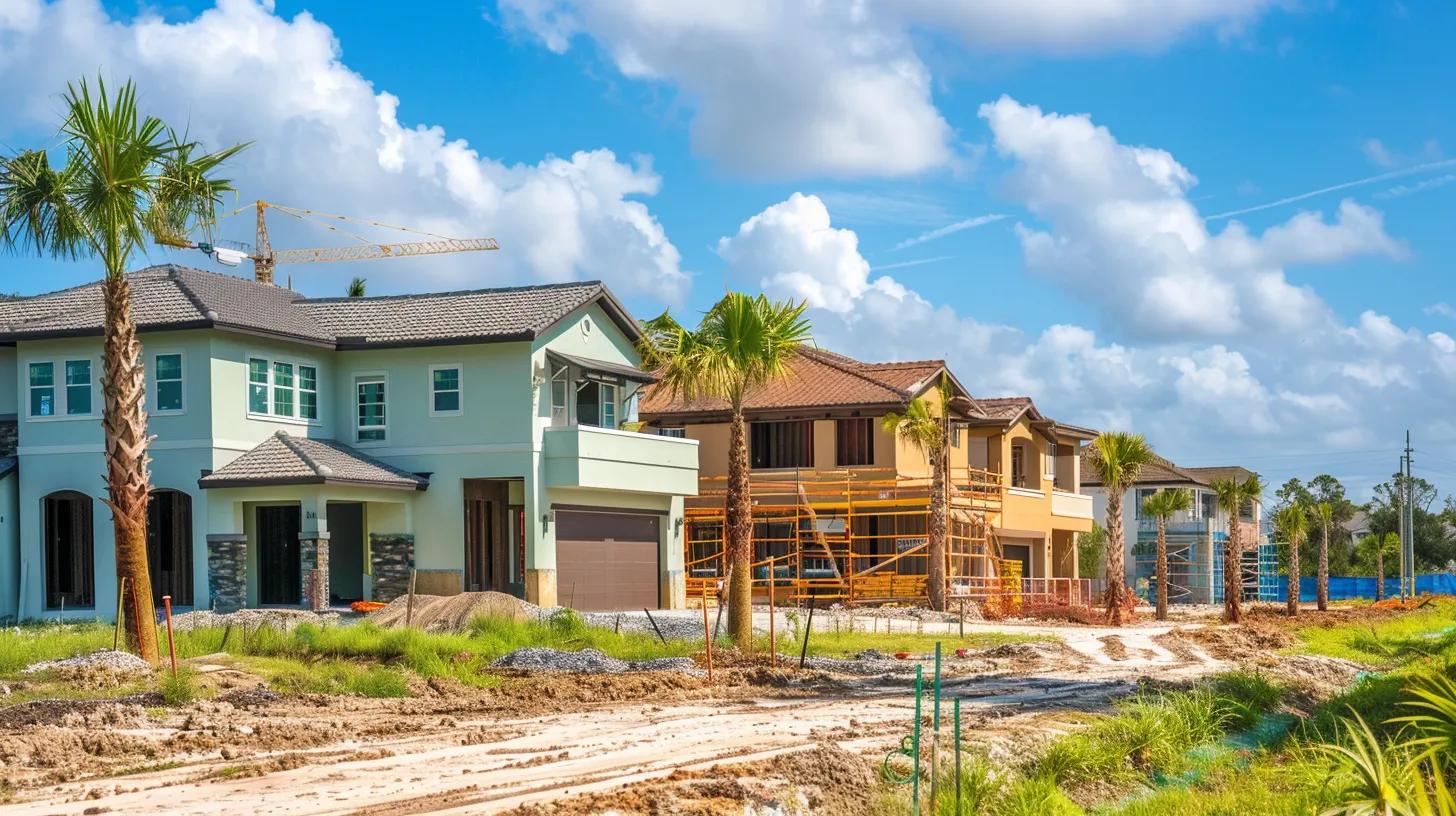
Navigate Florida’s Inspection Success
By Fred Rodrigues, Certified Master Inspector
Article Recap: Your Guide to New Construction Inspections
- Uncover Hidden Flaws: Learn how inspections reveal issues before they become costly.
- Phased Approach: Discover the optimal timing for inspections (pre-pour, pre-drywall, final, 11-month).
- Common Defects: Identify structural, electrical, plumbing, HVAC, exterior, and interior issues.
- Florida-Specific Risks: Understand unique challenges like humidity, mold, and termites.
- Buyer & Agent Benefits: See how inspections safeguard investments and streamline transactions.
- Advanced Technology: Explore how infrared and drones enhance detection accuracy.
A new construction inspection is your essential tool for uncovering hidden flaws, ensuring systems function correctly, and safeguarding your investment before closing. This guide explores what these inspections reveal, their value for both buyers and real estate professionals, and how smart, phased inspections can prevent costly repairs and warranty headaches. You’ll gain insight into common issues—from structural quirks and electrical snags to plumbing puzzles, HVAC hiccups, exterior concerns, and finish details. We’ll also address Florida-specific risks like humidity-fueled mold and termite threats, and discuss the perfect timing for inspections, practical checklists, and cutting-edge detection technology. Our goal is to help you avoid expensive surprises, gain leverage in negotiations, and keep your warranty options open.
Why New Construction Inspections Are Essential for Buyers & Agents
A new construction inspection is crucial for spotting issues the average eye might miss. It combines visual checks, performance tests, and specialized tools to confirm everything from the foundation to the roof meets standards. Catching problems early, when they are easiest and cheapest to fix, significantly reduces your risk. This process provides solid documentation for negotiations or warranty claims, protecting your safety, preventing future repair bills, and ensuring a smoother closing by setting clear expectations with your builder. Inspections uncover issues ranging from incomplete framing and shoddy rough-ins to concealed moisture intrusion and electrical oversights that could compromise safety, leading to premature material failure, mold, code violations, and hefty repair bills if overlooked.
When Should You Schedule Your New Construction Inspection?
The smartest approach involves a multi-stage inspection plan, timed to catch issues when repairs are least disruptive. This includes a pre-pour inspection for the foundation, a pre-drywall inspection for framing and rough-ins, a final walkthrough for finished systems and cosmetic details, and a crucial 11-month warranty inspection. Scheduling early-stage inspections requires coordinating with your builder for site access before components are covered. These key windows maximize your chances of catching structural and system-level problems before they are hidden or before your warranty expires, strengthening your negotiating position at closing.
Top New Construction Defects You Need to Watch Out For
Common defects in new builds often arise from tight schedules, subcontractor errors, or insufficient site preparation, impacting everything from essential systems to final finishes. Inspectors classify these findings by severity, helping you prioritize fixes and negotiate effectively. We’ll cover structural flaws, electrical glitches, plumbing and drainage woes, HVAC and insulation shortcomings, exterior and roof concerns, and interior finish issues, complete with warning signs and typical consequences.
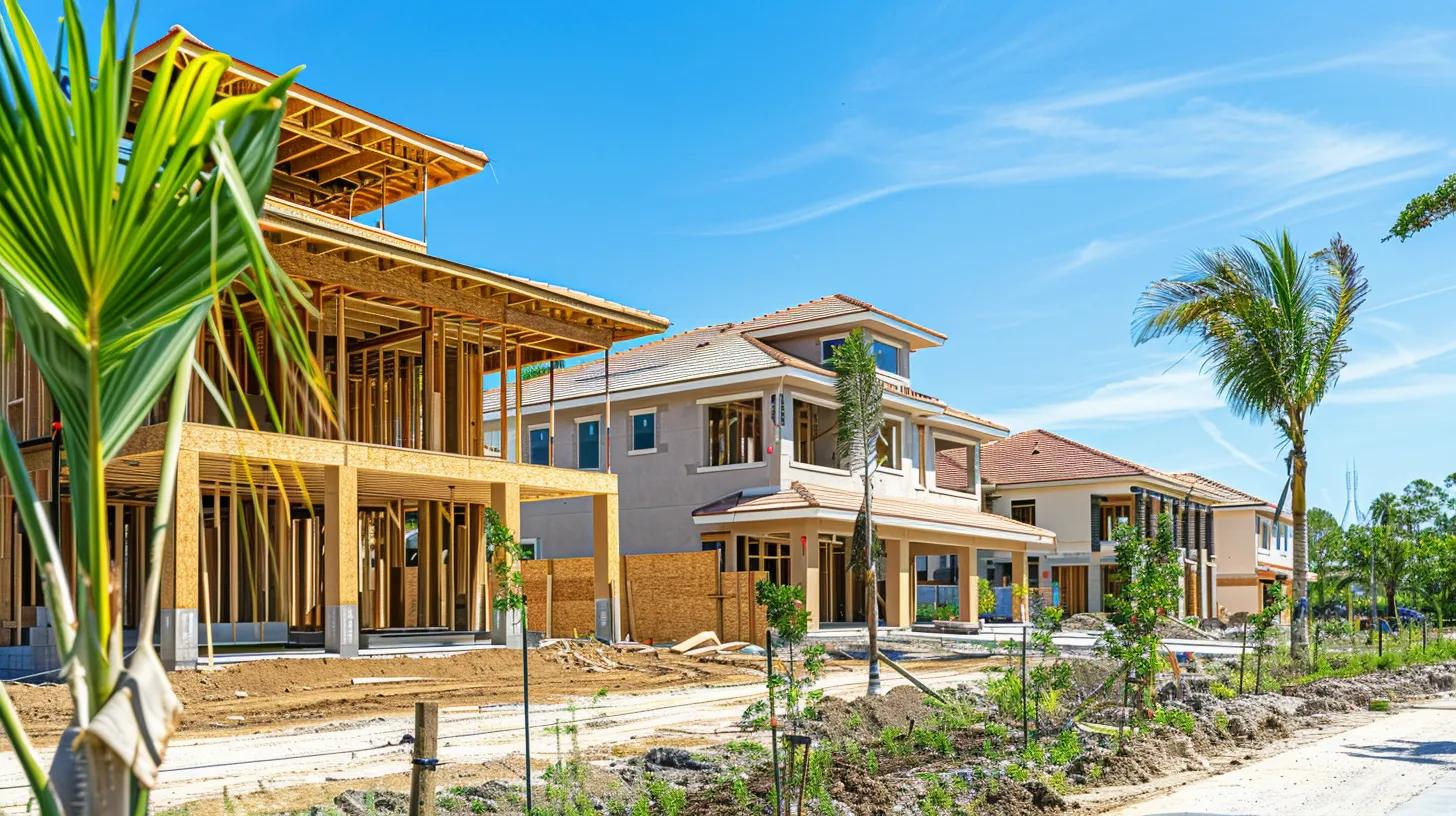
Structural problems can include hairline foundation cracks, uneven slabs, misaligned framing, and improper fastening, potentially leading to settlement or load-bearing issues. Inspectors use visual checks and leveling tools to spot deviations, allowing builders to reinforce or correct framing before drywall, preventing costly major repairs. Similarly, new homes can present electrical hazards like loose connections, missing AFCI/GFCI protection, inadequate grounding, overloaded circuits, and mislabeled breakers. Inspectors use circuit testers and thermal imaging to pinpoint hot spots, with missing ground-fault protection being a critical safety concern requiring urgent attention.
Plumbing and drainage defects, such as improperly sloped drains, incomplete pressure tests, loose fittings, and inadequate site grading, can lead to leaks, backups, or water pooling near the foundation. Inspectors test water pressure, check trap seals, and assess grading to identify risks. HVAC and insulation defects often manifest as undersized equipment, disconnected ducts, missing insulation, or poor sealing, resulting in discomfort and higher energy bills. Inspectors check system sizing, duct connections, and insulation coverage, sometimes using thermal imaging to find air leaks. Addressing these issues during construction is far more cost-effective than retrofitting later.
Exterior defects include improper flashing, incomplete shingle installation, poorly sealed penetrations, and incorrect siding attachment, while site issues often involve inadequate grading. Inspectors focus on roof flashing, valley details, and junctions around windows and doors to pinpoint potential water entry points. Overlooked interior finish flaws range from drywall cracks and misaligned doors to flooring gaps and imperfect paint. While some are cosmetic, others might indicate underlying structural movement or moisture. Inspectors distinguish between superficial flaws and those signaling deeper problems, ensuring all issues are documented and resolved before closing.
How Damngood Inspection’s Phased Approach Sidesteps Costly Surprises
A multi-phase inspection is your best defense against costly surprises, catching defects when they are least expensive and simplest to fix—before they’re hidden and before warranties expire. Our phased approach scrutinizes the foundation and site work, rough-in systems, finished components, and pre-warranty conditions, creating a documented history of your home’s progress. Damngood Inspection offers a meticulously structured New Construction Inspection service, including pre-pour, pre-drywall, final walkthrough, and 11-month warranty inspections. We leverage infrared imaging and drone reconnaissance, and our Certified Master Inspectors conduct thorough system checks, documenting every finding with detailed photos. This model champions builder accountability and protects your investment with clear, actionable reports.
What Happens During the Pre-Pour and Pre-Drywall Inspections?
Pre-pour inspections focus on footings, rebar placement, formwork, and site drainage to confirm foundations are built according to plan. Pre-drywall inspections examine framing, structural connections, and the rough-in stages of electrical, plumbing, and HVAC systems. Our inspectors verify alignments and proper installation of flashing or damp-proofing. Identifying issues at these early stages allows builders to correct mistakes before concrete is poured or interior finishes are applied, significantly reducing repair costs and laying the groundwork for more efficient final inspections.
Why the Final Walkthrough and 11-Month Warranty Inspections are Critical
The final walkthrough inspection is your last chance to confirm all systems function correctly, identify incomplete or faulty installations, and distinguish between cosmetic and functional defects. Our inspectors rigorously test appliances, HVAC, plumbing, and electrical safety features, documenting everything for the builder to address. This report provides leverage for negotiations, preventing last-minute surprises. The 11-month warranty inspection, scheduled just before your builder’s warranty expires, catches defects that emerge during occupancy, such as settling cracks or leaks. Our inspectors document new problems with photographic evidence, significantly increasing the likelihood that the builder will address necessary repairs under warranty, minimizing your out-of-pocket expenses.
Advanced Technologies and Certified Master Inspectors
Our advanced toolkit—featuring infrared cameras, drone imaging, moisture meters, and digital reporting platforms—extends our inspectors’ capabilities beyond surface-level observation. We reveal temperature anomalies, capture high-resolution aerial views of roofs, and quantify conditions with precise instruments. This technology transforms observations into measurable evidence, strengthening documentation for negotiations and warranty claims. Certified Master Inspectors bring rigorous, standardized protocols, seasoned judgment, and a commitment to quality assurance to every assessment. Their expertise ensures technology is used efficiently, findings are interpreted accurately, and safety concerns are prioritized, providing confidence that significant defects won’t be missed.
The Edge Real Estate Agents Get by Recommending New Construction Inspections
Recommending inspections elevates your reputation by showcasing your commitment to client advocacy, minimizing post-sale disputes, and fostering transaction transparency. Agents who champion phased inspections help clients avoid unexpected issues that could delay closings or strain relationships, thereby boosting their professional credibility. This approach builds lasting trust, reduces post-sale complaints, and ensures smoother closings by setting clear expectations for all parties. Practical tools like downloadable checklists, concise explainers, and visual phase timelines help agents clearly articulate why inspections are vital, positioning them as proactive advisors who streamline transaction workflows.
Your agent resource toolkit includes:
- A comprehensive multi-phase inspection checklist covering pre-pour through the 11-month stage.
- A final walkthrough checklist highlighting essential items to verify.
- A guide for warranty claims, outlining recommended documentation steps.
How New Construction Buyers Can Dodge Costly Repairs with Inspections
Inspections slash lifetime maintenance costs by identifying issues early, allowing for less expensive fixes and preserving warranty coverage. Well-documented reports become powerful negotiation tools and crucial evidence for warranty claims, offering significant financial advantages. Early detection transforms potentially massive future repair bills into manageable fixes during construction, often cutting costs dramatically because access is readily available. For instance, correcting a drainage slope during site preparation is vastly cheaper than excavating around a completed foundation later. Inspections also preserve your warranty recourse, shifting repair liability to the builder instead of you.
Inspection reports provide objective evidence of defects, clearly prioritizing items for builder correction in an actionable format that facilitates respectful negotiation. Presenting photo-backed findings frames your requests as standard quality concerns rather than subjective complaints. A certified inspection report offers a structured evaluation, complete with photographs and recommended actions, eliminating guesswork about your property’s condition and future maintenance needs. Buyers gain confidence knowing that systems have been tested, concealed components examined, and all findings meticulously recorded by credentialed professionals, providing peace of mind and a documented baseline for future claims.
Florida-Specific New Construction Inspection Pitfalls to Watch For
Florida’s unique climate, coupled with its exposure to hurricanes, high humidity, and prevalent termite activity, necessitates specific inspection focus areas to prevent moisture, pest, and wind-related failures. Inspections in Florida emphasize meticulous sealing and flashing, proper grading and drainage, indicators of termite and mold risk, and hurricane-resistant connections. Florida’s warm, humid environment makes robust moisture control, correct flashing, and adequate ventilation crucial for preventing mold and premature material degradation. Florida building codes often incorporate stringent wind-load and moisture-resistance requirements; inspections must verify that connections, straps, and exterior sealants meet these performance expectations. Termite activity and mold growth pose elevated risks, making specialized inspections vital for detecting early warning signs. Home inspectors often collaborate with licensed pest or mold specialists when evidence suggests an infestation or fungal growth. Local regulations and permitting requirements can vary significantly by county and municipality, so inspectors and buyers should confirm applicable rules for grading, drainage, and hurricane-related details in the specific jurisdiction.
Preparing for a Successful New Construction Inspection: A Buyer and Agent Guide
Thorough preparation maximizes the value of your inspection by ensuring access to plans, clear scheduling with the builder, and the opportunity to attend inspections and ask targeted questions. A practical checklist should cover structure, electrical, plumbing, HVAC, exterior, and interior finishes across all key phases: pre-pour, pre-drywall, final walkthrough, and the 11-month inspection. Key items include verifying rebar placement pre-pour, confirming rough-in installations pre-drywall, testing appliances and systems at the final walkthrough, and checking for new leaks or settling during the 11-month visit. The checklist should also recommend photo documentation, detailed written descriptions, and a prioritized punch list for builder remediation.
- Pre-pour: footing, rebar, compaction, drainage.
- Pre-drywall: framing integrity, rough-in routing, fire-blocking.
- Final: appliance operation, HVAC performance, plumbing tests.
- 11-Month: settling, recurring leaks, door/window operation.
To get the most out of your inspection, attend whenever possible, ask the inspector to demonstrate system operations, meticulously document findings with photos, and maintain clear communication with the builder regarding repair timelines. Agents should guide clients to prioritize safety and system-function items and use the inspector’s report as the foundation for constructive, time-bound repair requests. Choose an inspector based on their experience with new construction, their use of advanced detection tools, and their ability to deliver photo-rich, actionable reports aligned with multi-phase timelines. Inquire about their processes for all inspection phases and request sample reports. Scheduling should be coordinated well in advance with the builder and confirmed in writing, ensuring access windows at key construction milestones.
Frequently Asked Questions
What is the difference between a pre-drywall inspection and a final walkthrough? A pre-drywall inspection focuses on structural integrity and rough-in systems (framing, plumbing, electrical) before they are covered, allowing for easy corrections. A final walkthrough occurs after all finishes are complete, verifying system function and cosmetic details before closing.
What should I do if defects are found during the inspection? Document defects thoroughly with photos and descriptions. Use the inspection report as a negotiation tool with the builder, requesting specific repairs or corrections before closing. Maintain a collaborative approach and follow up to ensure repairs are completed satisfactorily.
Are there specific inspection requirements for Florida homes? Yes, Florida homes require a focus on moisture control, proper sealing, and hurricane-resistant features due to the climate and building codes. Termite and mold inspections are also crucial due to high humidity and pest activity.
Conclusion
Investing in a new construction inspection is essential for safeguarding your home and ensuring peace of mind throughout the buying process. By identifying hidden defects early, you can save significant costs and enhance your negotiating power with builders. Our comprehensive, phased inspection services are designed to protect your investment and streamline your home-buying experience. Schedule your inspection with Damngood Inspection today to secure your future in your new home.